Table of Contents (16 sections)
In the ever-evolving world of audio technology, HiFi audio formats represent the pinnacle of sound reproduction. But what exactly are HiFi audio formats, and why should they matter to you? HiFi, or High Fidelity, refers to the quality of sound reproduction that keeps the original recording's experience as intact as possible. Unlike standard audio formats that may compress and degrade sound quality, HiFi formats aim for sound that is indistinguishable from the source, whether it’s vinyl, CD, or digital files. As audiophiles continue to seek the best listening experiences, understanding the nuances of various HiFi audio formats becomes essential.
The primary goal of HiFi audio is to deliver accurate sound across the audio spectrum, ensuring that listeners can enjoy music as the artist intended. This can be critical for those who cherish the subtleties in genres such as classical, jazz, or even hip hop. With advancements in technology, formats like FLAC (Free Lossless Audio Codec), ALAC (Apple Lossless Audio Codec), and DSD (Direct Stream Digital) have emerged, offering better alternatives to traditional formats like MP3. In this guide, we will explore various HiFi audio formats, assess their strengths and weaknesses, and help you determine which might be the best choice for your audio needs.
A Deep Dive into Popular HiFi Audio Formats
Different HiFi audio formats are available on the market, each offering unique characteristics.
1. WAV (Waveform Audio File Format)
WAV files are often preferred by professionals for recording and editing music due to their lossless nature, capturing sound in its purest form. Being uncompressed signifies that it preserves the original quality of audio, ensuring clarity in sound. However, one major downside is the size of WAV files; they can consume significant storage space, making them less practical for everyday listeners.
2. FLAC (Free Lossless Audio Codec)
FLAC offers a great compromise for audiophiles looking for high quality with manageable file sizes. It compresses audio without losing any of the original data, allowing for significant space savings while maintaining HiFi quality. Many streamers and music services, including Tidal and Qobuz, offer FLAC streaming options, making it an excellent format for high-resolution audio.
3. DSD (Direct Stream Digital)
Initially developed for Super Audio CDs (SACD), DSD is known for its high bandwidth and ability to provide a distinctive listening experience over conventional formats. This format is less common in standard music libraries, which may limit its accessibility, but it is favored for its smooth and rich sound quality. Listeners often describe DSD tracks as exhibiting superior detail and dynamics, particularly in orchestral and choral works.
In summary, while selecting a HiFi audio format, consider the balance between sound quality, file size, and accessibility. Each format has its unique advantages and specific scenarios where one might stand out over the others.
Comparison of HiFi Audio Formats
Here's a comparison table to provide a clearer perspective on the strengths and vulnerabilities of each HiFi audio format:
| Format | Quality | File Size | Accessibility | Verdict |
|---|---|---|---|---|
| WAV | Highest | Very Large | High | Best for editing but impractical for storage |
| FLAC | Lossless | Medium | Very High | Excellent for most users seeking quality |
| DSD | High | Very Large | Limited | Ideal for dedicated audiophiles |


Système de mixage pa/dj haute puissance avec bluetooth, usb, batterie intégrée, microphone sans fil et lumières de fête
Darty FR
Keeping Up with Audio Technology Trends
As we progress through 2026, the improvements in audio technology are continuous and significantly impact the HiFi landscape. For example, organizations like UFC-Que Choisir and publications such as Les Numériques confirm an upward trend in the consumption of high-resolution audio systems among listeners. Studies indicate that more than 60% of audio enthusiasts prefer lossless formats over compressed ones, reflecting a dedicated relationship with audio fidelity.
Moreover, streaming services have embraced high-quality audio with options for lossless playback, signifying a shift in consumer demand towards superior sound experiences. Various services have begun to offer Adaptive Streaming, which provides fluctuating audio quality based on the listeners' internet speed, ensuring they continuously enjoy optimal sound.
📺 Resource Video
> 📺 For further insights: Understanding HiFi Audio Formats, an in-depth analysis of different HiFi audio formats found on YouTube: search for "HiFi audio formats comparison 2026".
Expert Opinions on HiFi Audio Formats
> 💡 Expert Feedback: According to audio experts in the industry, “The choice of a HiFi audio format can greatly enhance your music experience. Today’s listeners must consider both the quality of the sound and how the format aligns with their listening habits. Identifying proper equipment is just as important.”
Q1: What is the best HiFi audio format?
A1: There is no definitive answer as it depends on personal preferences and what devices are available. Many audiophiles argue FLAC is the best balance between sound quality and file size.
Q2: Are HiFi audio formats worth it?
A2: Yes, especially for those who cherish a high-fidelity listening experience. The clarity and depth of sound can be significantly enhanced through lossless formats.
Q3: Can I convert MP3 files to HiFi formats?
A3: You can convert files, but it is essential to note that the audio quality will not improve beyond the original MP3 quality.
Q4: Where can I find HiFi audio material?
A4: Many streaming platforms, such as Tidal and Qobuz, offer an extensive library of HiFi audio tracks for streaming or download.
Glossary
| Term | Definition |
|---|---|
| HiFi | A high-fidelity sound system that reproduces audio more faithfully to the original recording. |
| Lossless Format | An audio codec that compresses data without losing any original audio information. |
| Sample Rate | The number of samples taken per second when capturing audio, influencing quality. |
With our exploration of HiFi audio formats, you are now equipped to make an informed decision. Whether you go for the purest sound with WAV, the balance of quality and size with FLAC, or the richness of DSD, ensure it aligns with both your listening habits and audio ambiance. Happy listening!
Discover our recommendations below.
📺 Pour aller plus loin : HiFi audio formats comparison 2026 sur YouTube
Recommended products
Selected by our experts
Enceinte 10 w éclairée LED Bluetooth extérieur. Camping
Darty FR
This Bluetooth speaker is ideal for enjoying HiFi audio outdoors, making your listening experience versatile and portable.
Système de mixage pa/dj haute puissance avec bluetooth, usb, batterie intégrée, microphone sans fil et lumières de fête
Darty FR
For those looking to host parties or play music loudly with HiFi quality, this high-power mixing system can provide an immersive audio experience.
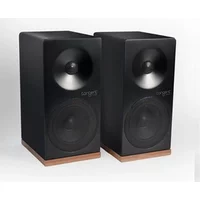
SPECTRUM X5 NOIR VENDUE PAR PAIRE
Darty FR
These compact speakers are designed to deliver powerful sound with superior clarity, making them an excellent choice for home audio setups.