Table of Contents (11 sections)
Selecting the best HiFi audio components can significantly enhance your listening experience. Whether you're an audiophile or just starting, understanding each component's role helps in achieving optimal sound quality. In this guide, we will walk you through the essential steps for choosing high-fidelity audio components that meet your needs.
1. Understand Your Audio Needs
Before diving into component selection, assess your audio needs. Identify what you primarily listen to—music, podcasts, or movies. Different genres might require specific setups. For instance, if you enjoy classical music, investing in high-quality speakers with great mid-range sounds is vital.
Understanding your space is equally important. A small room may not need the same power as a larger space. Consider conducting a sound test by playing various audio clips that you love to gauge what type of audio profile suits your preferences. Feedback from audiophile communities can also provide insight, and resources like UFC-Que Choisir often publish comprehensive guides on analyzing audio setups.
2. Research Component Types
HiFi audio systems consist of several components, each with its purpose. Common elements include:
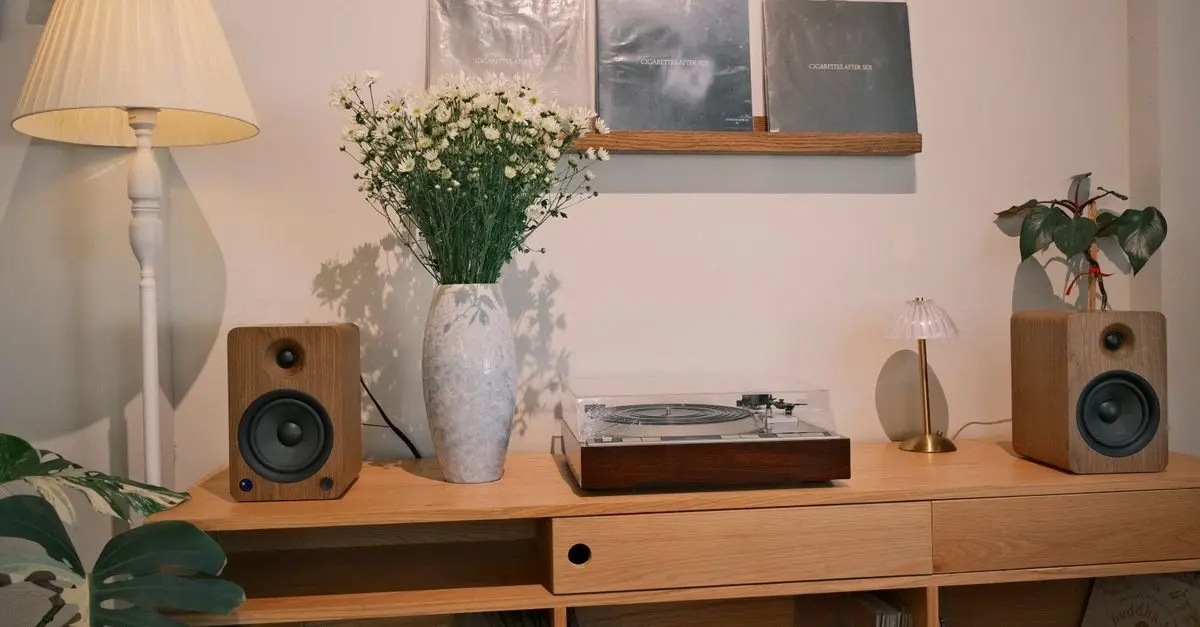
- Source: This is where your audio signals originate, such as a streaming device, turntable, or CD player.
- Amplifier: Amplifies audio signals, making them powerful enough for speakers.
- Speakers: Convert electrical signals back to sound.
Researching each component helps familiarize you with their features and specifications. For example, you might consider whether to choose passive or active speakers based on your amplifier choice. According to industry standards, systems should ideally maintain a neutral sound profile to accurately reproduce audio.


3. Evaluate Audio Quality Specifications
When choosing the best HiFi audio components, it's crucial to evaluate their specifications. Look for:
- Frequency Response: Indicates the range of tones the speaker or headphone can reproduce. A wider range typically means better sound quality.
- Total Harmonic Distortion (THD): Lower percentages signify clearer, distortion-free audio.
- Sensitivity: This measures the loudness of the sound produced. A higher sensitivity means higher volume at lower power.
Being mindful of these specifications can directly impact your experience. For instance, if your audio consists of nuanced sounds like jazz, you may want to prioritize components that handle subtleties with precision.
4. Consider Brand Reputation and Reviews
Investing in well-reviewed brands can save you trouble in the long run. Meze Audio, known for its exceptional headphones, consistently receives high ratings for sound quality and comfort. Check out established review platforms like Les Numériques, which compare products across various price points. Many consumers share their experiences on forums or social media, often highlighting their personal preferences and how certain brands meet their needs. Engage with these testimonials to make informed decisions.
5. Budgeting and Value Assessment
Establish a budget early on, as HiFi components can vary widely in price. Consider the long-term investment and balance quality with cost. Sometimes, spending a little more can yield much better audio performance. Tools like component comparison tables can help you visualize your options in terms of features versus price.
Here’s a quick comparison table:
| Component Type | Example A | Example B | Example C | Verdict |
|---|---|---|---|---|
| Speaker | High-end Floor | Bookshelf Speaker | Portable Speaker | Depends on space size |
| Amplifier | Tube Amplifier | Solid State Amp | Integrated Amp | Tube offers warmth |
| DAC | No DAC | Internal DAC | External DAC | External has better quality |
Focus on finding components that offer the best value for your audio goals. Don’t hesitate to seek advice from local audio specialists for tailored recommendations.
6. Setup and Calibration
Once you’ve selected your HiFi components, proper setup and calibration are crucial for optimal performance. Position your speakers away from walls and corners to reduce sound reflections. Many users often overlook the importance of their listening position; placing furniture in a way that allows sound to emanate towards you can significantly enhance your experience. Calibration tools can also help you adjust sound settings based on your room's acoustics, ensuring the experience is tailored to your environment.


Checklist Before Purchase
- [ ] Determine your specific audio needs.
- [ ] Research each component type.
- [ ] Evaluate audio specifications.
- [ ] Read brand reviews and testimonials.
- [ ] Set a realistic budget.
- [ ] Plan for proper setup and calibration.
📺 Resource Video
> 📺 For further exploration: Discover the best HiFi audio components and how they enhance sound quality. Search YouTube for: "how to choose HiFi audio components 2026".
Glossary
| Term | Definition |
|---|---|
| DAC | Device that converts digital audio into an analog signal. |
| Amplifier | A component that increases the power of audio signals. |
| Frequency Response | Range of frequencies a speaker or headphones can reproduce. |
---
📺 Pour aller plus loin : how to choose HiFi audio components 2026 sur YouTube
Recommended products
Selected by our experts


Night Owl - Add_On 2-Camera Deterence 2K Security Camera with 2-Way Audio - White
bestbuy.com
Night Owl - Add_On 2-Camera Deterence 2K Security Camera with 2-Way Audio - White
bestbuy.com