Table of Contents (19 sections)
In the world of audio, the way you position your HiFi speakers can significantly influence your sound experience. Speaker placement is not just a trivial matter but a critical component to achieving the best acoustics in your living room, studio, or home theater. In this guide, we’ll explore comprehensive strategies for positioning your HiFi speakers effectively, taking into account your room’s acoustics, speaker types, and intended use.
What is HiFi Speaker Placement?
Proper HiFi speaker placement refers to the strategic positioning of speakers to maximize sound quality and listener satisfaction. The primary objective is to create an immersive audio experience that allows you to appreciate the nuances of music or dialogue clearly. Factors like room size, speaker type, and listening habits play a central role in determining the best placement.
Why is Speaker Placement Important?
The sound waves emitted from speakers bounce off surfaces, creating reflections that can enhance or diminish audio clarity. Bad placement leads to issues like phase cancellation—where sound waves interfere destructively—or overly bright sound, making listening tiresome. Therefore, understanding and implementing effective speaker placement can greatly enhance your listening experience.
Step-by-Step Guide to Optimizing HiFi Speaker Placement
Step 1: Assess Your Space
Before diving into placement, analyze your room's size and shape. Consider the following:
- Room Dimensions: Larger rooms might require more distance between speakers, while smaller spaces can benefit from closer arrangements.
- Furniture Layout: The arrangement of furniture, including sofas and tables, should facilitate optimal sound pathways.
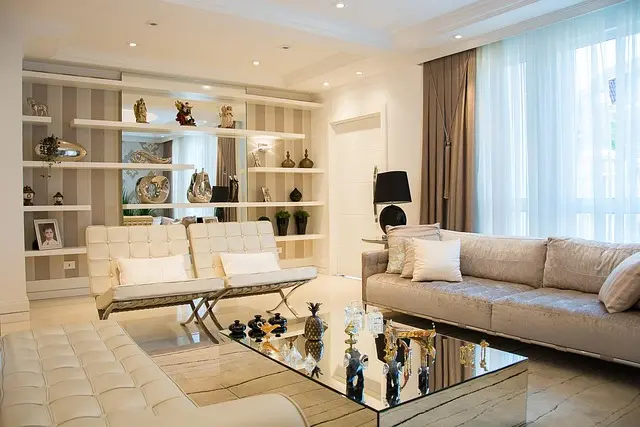
- Room Acoustics: Hard surfaces (like tile or glass) create reflections, while soft surfaces (like carpets or curtains) absorb sound. Balance this to achieve a clearer audio experience.
Step 2: Choose the Right Speaker Position
The classic recommendation for speaker positioning is the equilateral triangle configuration. This involves positioning your speakers and the listening area as the three corners of an equilateral triangle. Here’s a deeper look:
- Distance: Aim for 3-6 feet between each speaker and the listener, depending on speaker type.
- Angle: The speakers should be slightly angled towards the listening position to create a focal point of sound.
- Height: If using floor-standing speakers, their tweeters (high-frequency drivers) should be at ear level when seated.
Step 3: Experiment with Placement
One of the best strategies is experimenting. Move speakers around to see how audio quality changes. Here’s how to do this effectively:
- Use EQ: Advanced systems come with built-in calibration tools, but even simple EQ settings can fine-tune the sound.
- Listening Tests: Play a variety of music genres and adjust speaker placement until you find the sweet spot that reveals the clarity of sound and bass.
- Guest Feedback: Invite friends for listening sessions and gather feedback about their experience. Sometimes, a fresh pair of ears can spot issues that frequent listeners overlook.
Step 4: Analyze the Listening Position
The listening position is often neglected but is equally crucial. Here's what to consider:
- Distance from Speakers: Maintain a sweet spot—approximately 1.5 times the distance from the speakers to the wall behind them.
- Avoid Corners: Try not to position the listener in corners, as this can lead to over-resonance and muddiness in sound.
- Seating Arrangement: Keep your listening chair away from walls if possible to prevent sound reflections that may color the audio.
Step 5: Fine-Tune with Accessories
Finally, using accessories like speaker stands, isolation pads, or acoustic treatments can greatly impact your sound experience.
- Speaker Stands: Elevate speakers to ear level and provide space for bass to develop properly.
- Isolation Pads: Place pads underneath your speakers to reduce vibrations that can muddle sound.
- Acoustic Panels: Strategically placed panels can absorb reflections and refine your sound profile.

Checklist for Effective HiFi Speaker Placement
- [ ] Assess room dimensions and furniture layout.
- [ ] Position speakers at ear level.
- [ ] Ensure equal distances between speakers and the listening area.
- [ ] Experiment with various configurations.
- [ ] Use accessories for optimal performance.
Comparison of Placement Techniques
| Technique | Description | Pros | Cons |
|---|
| Equilateral Triangle | Speakers form an equilateral triangle with the listener. | Balanced sound; common standard. | Requires space; may not suit small rooms.
| Corner Placement | Speakers placed in corners of the room. | Saves space; bass response may be better. | Often leads to excessive bass and muddiness.
| Wall-mounted Speakers | Speakers mounted on walls. | Less floor space used; easier to install. | Limited acoustic performance if not angled properly.
FAQs
Q1: What if my room has many windows?
A1: Windows can reflect sound. Consider heavy curtains to help absorb some of the reflections and reduce noise spill.
Q2: Can I use multiple speaker types in a system?
A2: Yes, but ensure they have a similar sound character to avoid variations in audio quality. Mixing brands can lead to sonic inconsistencies.
Q3: How important is speaker breaking in?
A3: Speaker break-in is essential; it allows the drivers to loosen up, improving sound quality over time. Generally, allowing your new speakers to play for several hours is sufficient.
Q4: Does room shape matter?
A4: Absolutely, room shape affects how sound waves travel. Irregular shapes tend to provide a more distributed soundfield compared to perfectly symmetrical spaces.
💡 Expert Tip: Always measure and mark your speaker locations before finalizing the positions to avoid damaging your walls and furniture.
📺 Resource Video
> For further insights: Watch our video on HiFi speaker setup, which provides a detailed demonstration of optimal speaker placement strategies. Search on YouTube: "HiFi speaker setup tutorial 2026".


Glossary
| Term | Definition |
|---|---|
| Speaker Configuration | The arrangement of speakers in relation to each other and the listening position. |
| Acoustic Treatment | Methods used to enhance sound quality by reducing reflections and standing waves. |
| Frequency Response | The measure of an audio system's output across different frequencies, determining sound clarity. |
Conclusion
Proper HiFi speaker placement is an art and a science that can make or break your audio experience. By assessing your space, experimenting with positions, and utilizing the right accessories, you can achieve a sound profile that meets your needs and preferences. Each room is unique, so take your time to ensure your speakers are perfectly placed for the best results.
Call to Action
Ready to elevate your audio experience? Explore our curated selection of compatible HiFi speakers and accessories tailored for your setup below!
📺 Pour aller plus loin : HiFi speaker setup tutorial 2026 sur YouTube
Recommended products
Selected by our experts




loudspeaker cable red black cca, 100 m loudspeaker cable red black cca 56707
Darty FR