Table of Contents (12 sections)
Creating the perfect listening environment in your home requires not only a good source of music but also the right speakers. In this comprehensive guide, we will explore how to choose the best HiFi speakers for your listening space. From understanding your audio needs to comparing different options, we aim to provide the tools you need for an informed decision.
1. Understanding Your Listening Space
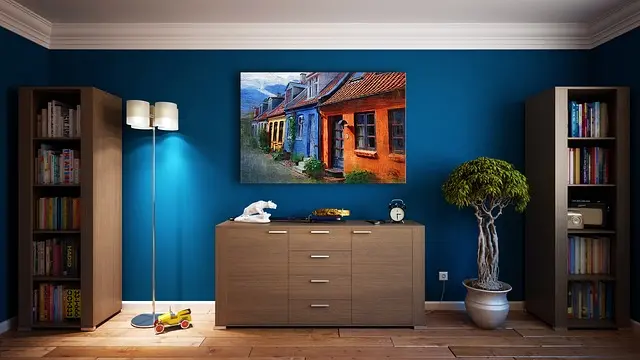
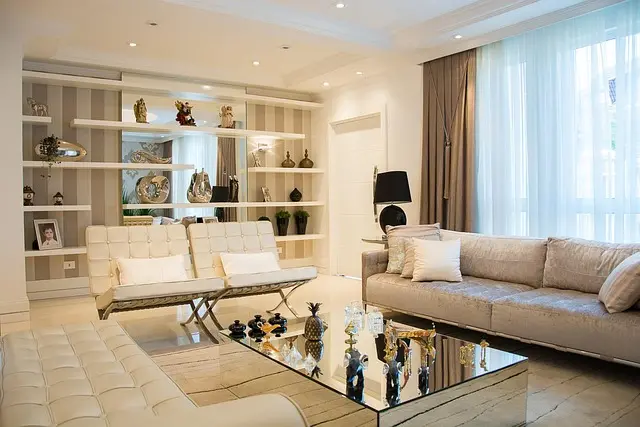
Before diving into the specifics of speaker selection, it’s crucial to understand the characteristics of your listening space. Consider the size, shape, and layout of the room where you plan to set up your audio system. Larger rooms may require more powerful speakers with greater sound dispersion, while smaller spaces can benefit from compact speakers that can produce rich sound without overwhelming the area.
Room acoustics also play a significant role in sound quality. Hard walls and floors may lead to acoustical reflections that distort the audio experience. To improve sound quality, consider adding soft furnishings, carpets, or acoustic panels to help absorb sound. According to studies conducted by Les Numériques, strategic placement of speakers can enhance the overall audio experience by 20-30% in certain environments.
2. Assessing Your Listening Preferences
Your listening preferences significantly influence the type of HiFi speakers that will suit you best. Do you enjoy classical music, pop, or rock? Different genres can highlight varied aspects of sound. For instance, classical music often requires speakers that can reproduce delicate highs and rich mid-tones, whereas, for rock, you might prioritize strong bass capability.
Pro Tip: If possible, attend audio exhibitions or visit local stores to listen to various speakers. Each brand and model will convey sound differently. A direct audio comparison can help you better understand the distinctions and find what resonates well with your personal taste.

Dynamic Saunas - 2-Person Full Spectrum Infrared Sauna Lighting, Speakers, Cordoba - Brown
bestbuy.com

JmGO N1S Nano 1080P Smart Portable Projector 200" Google TV Dual Speakers Dolby Audio FlexiSmart Blu-ray 3D for Home Theater - Creamy
lenovo.com

Sony - Best Wireless Noise Canceling Headphones Black with Wood Headphone Stand
bestbuy.com
3. Key Features to Look For
When it comes to selecting the best HiFi speakers, several essential features should be on your checklist:
- Frequency Response: This indicates the range of frequencies the speakers can reproduce. A wider range generally means better sound reproduction.
- Power Handling: Measured in watts, this denotes how much power a speaker can handle without distorting sound. Higher power can translate to louder sound.
- Sensitivity: This indicates how effectively speakers convert power into sound. Higher sensitivity ratings mean that the speakers will require less power to produce high volume.
- Impedance: Measured in ohms, this affects how much power the amplifier needs to produce sound. Match the impedance of your speakers to your amplifier to avoid issues.
Comparison Table: Key Features of HiFi Speakers
| Feature | Floor-standing Speakers | Bookshelf Speakers | Studio Monitors | Verdict |
|---|---|---|---|---|
| Frequency Range | 20Hz - 20kHz | 50Hz - 25kHz | 30Hz - 40kHz | Floor-standing offers the lowest range. |
| Power Handling | 150W | 100W | 80W | Floor-standing handles more power efficiently. |
| Sensitivity | 90 dB | 86 dB | 85 dB | Floor-standing is more efficient. |
| Impedance | 8 ohms | 8 ohms | 4 ohms | Keep in mind impedance compatibility. |
This comparison allows you to prioritize features based on your specific listening needs and room characteristics.
4. Researching Brands and Models
With your list of requirements in hand, you can now research various brands and models available in the market. Reputable brands often offer robust warranty programs and customer service. Popular brands in the HiFi audio space, such as Bowers & Wilkins, KEF, and Focal, have consistently high customer satisfaction ratings according to reviews from sources such as UFC-Que Choisir.
Look out for speaker reviews and comparisons from trusted sources, ensuring you gain insights from both expert opinions and customer feedback. Additionally, consumer reports often highlight common issues and strengths associated with specific models.
5. Setting Up and Testing Your Speakers
Once you’ve purchased your speakers, setting them up correctly is vital to maximize their performance. Here are a few tips for optimal placement:
- Positioning: Try to place speakers at ear level and equidistant from the listening position in a triangular setup for a balanced stereo image.
- Angle: Slightly angling the speakers toward the listening area can enhance sound clarity and immersion.
- Distance from Walls: Ensure speakers are not too close to walls to prevent bass distortion from back reflections.
After setup, conduct tests with different genres of music to familiarize yourself with their sound characteristics. Adjust the acoustic settings as needed on your audio receiver to tailor the output to your preference.
Checklist before Purchase
- [ ] Measure the size of your listening space.
- [ ] Identify your primary listening genres.
- [ ] Research brands and models that fit your needs.
- [ ] Attend a listening session if possible.
- [ ] Determine your budget before shopping.


FAQs
Q1: What is the best speaker type for small rooms?
A1: Bookshelf speakers are often ideal for small rooms due to their compact size and effective sound output.
Q2: How important is speaker impedance?
A2: Matching speaker impedance with your amplifier is important to ensure proper sound quality and prevent damaging your equipment.
Q3: What are the benefits of floor-standing speakers?
A3: Floor-standing speakers generally offer a wider frequency range and more powerful sound, making them suitable for larger spaces.
Q4: Can I combine different speaker types in one system?
A4: Yes, but ensure they have compatible specifications and sound qualities to achieve a balanced audio experience.
Glossary
| Term | Definition |
|---|---|
| Frequency Response | The range of frequencies a speaker can reproduce, affecting sound quality. |
| Sensitivity | A measure of how effectively a speaker converts power to sound. Higher means less power is needed. |
| Impedance | A measure of resistance in ohms, crucial for matching speakers with amplifiers. |
📺 Resource Video
> 📺 For further insights: Understanding HiFi Speaker Specifications, for a deeper analysis of audio dynamics. Search on YouTube: best HiFi speakers 2026.
Explore our recommendations below to find speakers that perfectly fit your listening space and elevate your audio experience.
🧠 Quick Quiz: What speaker type is best for smaller spaces?
- A) Floor-standing Speakers
- B) Bookshelf Speakers
- C) Studio Monitors
Answer: B — Bookshelf speakers are compact and suitable for limited space.
📺 Pour aller plus loin : best HiFi speakers 2026 sur YouTube
Recommended products
Selected by our experts