Table of Contents (20 sections)
Selecting the best HiFi speakers for your space is a nuanced task that encompasses various factors. Whether you’re upgrading your sound system or starting from scratch, the right speakers can significantly impact your audio experience. This comprehensive tutorial will guide you through the essential steps to ensure you make an informed decision.
Step 1: Understand Your Space Constraints
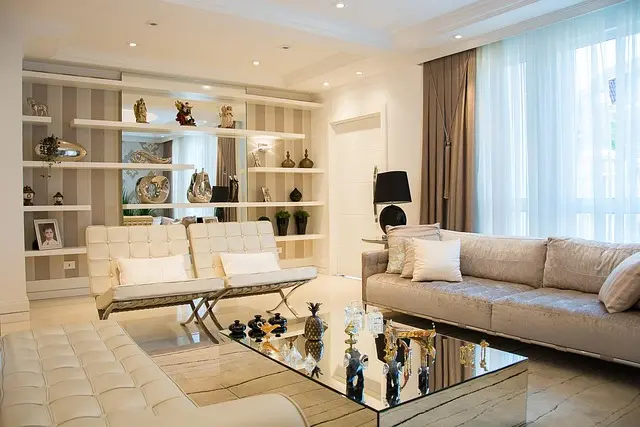
Before you embark on your HiFi speaker selection journey, it’s vital to assess your listening environment. The size of your room, its acoustic properties, and existing furniture can all influence sound quality. For instance, a compact apartment will benefit from different speaker specifications compared to a spacious home theater.
Room Dimensions and Layout
Consider the dimensions of the space where the speakers will reside. Larger rooms typically require more powerful speakers to fill the area adequately. If your space features high ceilings or hard surfaces, it may produce reflections that can muddy the sound, necessitating speakers designed for such environments.
Tests and Adjustments
To further refine your choice, experiment with different placements for your speakers. Many audiophiles suggest the “Golden Triangle” setup for optimal sound distribution, where the distance between the speakers and your listening position forms an equilateral triangle. This arrangement allows you to immerse yourself in the audio experience fully.
💡 Expert Tip: Use room acoustic analysis tools available in some audio apps to evaluate how different spots affect sound quality.
Step 2: Determine Your Listening Preferences
Understanding what types of music or audio you will primarily be listening to is crucial in selecting the appropriate HiFi speakers. Different speakers excel in different audio ranges, which can cater to particular genres of music or usage scenarios.
Genre-Specific Considerations
- Classical Music: Look for speakers that provide a wide dynamic range and can reproduce subtle nuances without distortion.
- Rock or Electronic: Speakers that offer robust bass response are essential. Brands specializing in home theater systems may be advantageous for this purpose.
- Movies and Gaming: A surround sound setup might be best suited to enhance your cinematic experience.
Listening Habits
If you often host parties or gatherings, consider speakers that can handle higher volumes without sacrificing sound quality. Conversely, if you usually listen quietly at night, you may prefer compact designs that still deliver rich audio at lower volumes.

Dynamic Saunas - 2-Person Full Spectrum Infrared Sauna Lighting, Speakers, Cordoba - Brown
bestbuy.com

JmGO N1S Nano 1080P Smart Portable Projector 200" Google TV Dual Speakers Dolby Audio FlexiSmart Blu-ray 3D for Home Theater - Creamy
lenovo.com

Step 3: Research Speaker Types and Technology
There are several types of speakers available in the HiFi category, each with unique features and advantages.
Types of HiFi Speakers
- Bookshelf Speakers: Ideal for smaller spaces, providing excellent sound without overwhelming the room.
- Floor-Standing Speakers: More powerful, designed for larger spaces, offering greater dynamic range and bass capabilities.
- Wireless Speakers: Convenient for setup and flexibility but may require a dedicated app for optimal sound tuning.
Technology Specifications
When browsing for the best HiFi speakers, familiarize yourself with their specifications:
- Frequency Response: Indicates the range of notes a speaker can reproduce. A broader range allows for a richer sound palette.
- Sensitivity: The measure of how loud a speaker will play per watt of input; higher sensitivity ratings mean louder sound with less power.
- Impedance: Affects compatibility with your audio receiver. Ensure compatibility with your existing or planned sound system.
| Criterion | Bookshelf Speakers | Floor-Standing Speakers | Wireless Speakers | Verdict |
|---|---|---|---|---|
| Size | Compact | Bulky | Variable | Bookshelf is best for small spaces; others for larger. |
| Sound Range | Moderate | Wide | Moderate to Wide | Choose floor-standing for broader range. |
| Power Requirement | Low | High | Variable | Check your audio system’s output ratings. |
| Flexibility | Less | More | Most Flexible | Wireless offers great convenience. |
HiFi speakers range widely in pricing based on brand and technology. As you weigh your options, it’s crucial to consider your budget without compromising on quality.
Allocating Your Budget
While it may be tempting to go for the cheapest option, investing in quality speakers will yield better long-term performance and satisfaction. A budget can guide your choices:
- Entry-Level ($100 - $500): Good for newbies looking to enhance their audio experience.
- Mid-Range ($500 - $1,500): Excellent balance of quality and performance, suitable for avid listeners.
- High-End ($1,500+): For true audiophiles; expect superior sound reproduction and advanced features.
Evaluating Cost vs. Performance
When establishing your budget, consider potential future upgrades in your sound system. Spending a bit more on versatile speakers can lead to savings down the line.
Step 5: Listen Before You Buy
Once you have narrowed down your options, the best step is to audition speakers in-store. This real-time comparison can allow you to hear differences that specs alone cannot convey.
In-Store Demonstrations
Many audio retailers offer the chance to listen to various brands and models side by side. Take advantage of these demos—bring your own music and test how the speakers handle different genres.
Online Reviews and Resources
In addition to listening, look for reviews from reliable sources. Websites like UFC-Que Choisir and Les Numériques provide valuable insights into user experiences and speaker performance over time.
Final Thoughts on Selection
Use your findings and preferences as a checklist when making your final choice. Ensuring the speakers fit both your budget and expectations will enhance your long-term satisfaction with your audio setup.
Checklist before Purchase
- [ ] Measure room dimensions.
- [ ] Assess listening preferences and genres.
- [ ] Research speaker types and specifications.
- [ ] Set a realistic budget.
- [ ] Listen to selected models in-store.
Glossary
| Term | Definition |
|---|---|
| Frequency Response | The range of frequencies that a speaker can produce. Higher ranges typically lead to better sound quality. |
| Sensitivity | A measure of how efficiently a speaker converts power into sound, generally expressed in decibels (dB). |
| Impedance | The resistance of a speaker to electric current, impacting compatibility with amplifiers and receivers. |


📺 Resource Video
> 📺 For further insights: How to Choose HiFi Speakers, an overview on selecting speakers based on room and preference. Search on YouTube: how to choose the best HiFi speakers 2026.
🧠 Quick Quiz: What size of speaker is most suitable for a small room?
- A) Floor-Standing
- B) Bookshelf
- C) Subwoofer
Answer: B — Bookshelf speakers are ideal for smaller spaces as they offer a compact size with good sound quality.
Selecting the best HiFi speakers for your space involves understanding your environment, audio preferences, and the specifications of available options. We hope this guide helps you find the perfect audio equipment to enrich your listening experience. For personalized recommendations, check out our curated selection of products below!
📺 Pour aller plus loin : The Basics | Getting Started with Hi-Fi Systems | Richer Sounds sur YouTube
Recommended products
Selected by our experts


Sony - Best Wireless Noise Canceling Headphones Black with Wood Headphone Stand
bestbuy.com