Table of Contents (8 sections)
Creating an immersive HiFi audio experience goes beyond just purchasing the most expensive gear. Instead, it’s about understanding the principles of sound accommodation and arrangement in your dedicated listening space. In this tutorial, we will explore essential HiFi audio setup techniques to transform your sound into an engaging, multidimensional experience that mimics a live performance. Whether you are a casual listener or a dedicated audiophile, these methods will significantly enhance your audio environment.
Step 1: Room Acoustics and Arrangement
The first and foremost aspect of any HiFi audio setup is the room’s acoustics. An often overlooked area, room treatment can make or break your listening experience. Start by assessing the dimensions of your room and how sound travels within it. Bass frequencies can behave erratically in corners, while mid-range sounds often bounce off walls resulting in phase cancellations. Here are practical steps to optimize your space:
- Measure your room: Use tools like Room EQ Wizard to analyze frequencies and determine problem areas.
- Speaker Placement: Ideally, your speakers should form an equilateral triangle with your listening position. This means placing speakers at least three feet from walls, ensuring they are elevated at ear level.
- Use Absorption Panels: Install acoustic panels at first reflection points. According to studies from UFC-Que Choisir, using these treatments can reduce unwanted reverberation by up to 50%.
- Add Bass Traps: Corner traps can help control low frequencies, resulting in a balanced and punchy bass response.
These considerations will drastically enhance your listening clarity, allowing for a richer overall audio experience.
Step 2: Choosing the Right Components
With acoustics in check, focus on selecting the right components for your HiFi setup. The key elements include:
- Amplifiers
- Speakers
- DACs (Digital to Analog Converters)
Each element plays a crucial role in delivering high-quality sound. When selecting equipment, consider the following:
- Power Ratings: Match your speakers with an amplifier that can handle their power requirements. For instance, if you own a 100-watt speaker, select an amplifier rated for at least 75-100 watts.
- Quality DAC: Upgrade from built-in DACs to dedicated converters for vastly improved sound quality. iFi Audio’s Zen DAC V3, for example, is known for its clarity and depth in sound reproduction.
- Speaker Type: Deciding between floorstanding and bookshelf speakers depends on your space and listening preferences, with each having pros and cons.
By investing in quality components, you're setting up a solid foundation for your HiFi audio experience.


Step 3: Wiring and Connections
Once you select your components, proper wiring and connections are essential to avoid any bottlenecks. Use high-quality speaker wires (preferably 12-16 gauge) and interconnects that work best for your setup. Additionally:
- Keep Signal Path Short: Minimize the distance between components to reduce interference.
- Use Balanced Connections: If your equipment supports it, balanced connections will help in rejecting noise and providing a clearer signal.
- Check Connections Regularly: Loose connections can degrade sound quality. Regular checks will ensure that everything remains optimal.
This aspect can dramatically affect the integrity of the audio feed.
Step 4: Calibration and Testing
Even with equipment set up well, calibration is what can take your audio performance to new heights. Make the most of testing software and tools like Dirac Live or Sonarworks SoundID to adjust frequency responses accurately:
- Room Calibration: Software can analyze your room’s acoustics and suggest adjustments.
- Speaker Calibration: Measure distance and sound levels to perfect the balance between speakers. Aim for uniform sound levels across the listening area.
- Test Different Genres: Evaluate your setup with various types of music to identify weaknesses.
Creating a balanced audio performance requires continual refinement.
Step 5: Listening Position Optimization
The position from which you listen plays a significant role in your experience. Your setup may sound entirely different based on your location in the room. Consider these tips:
- Calculate the Sweet Spot: Typically, the ideal listening position should be one-third away from the back wall.
- Experiment with Height: Adjust how high you sit or stand during listening sessions to find the ideal ear level with the speakers.
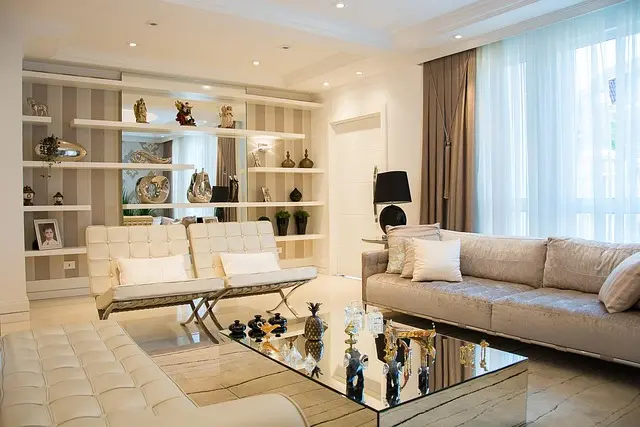
- Don’t Sit on Sofas: Sofas can absorb sound. If you can, opt for firm chairs that reflect sound waves better.
This may require some patience, but you will notice how positioning can dramatically enhance your auditory experience.
Checklist before Setup
- [ ] Room assessment for acoustics
- [ ] Speaker placement verified
- [ ] Quality components selected
- [ ] Wiring done correctly
- [ ] Calibration software applied
- [ ] Listening position optimized

📺 Resource Video
To dive deeper into setting up your HiFi audio system, check out our video titled *
Recommended products
Selected by our experts


Night Owl - Add_On 2-Camera Deterence 2K Security Camera with 2-Way Audio - White
bestbuy.com
Night Owl - Add_On 2-Camera Deterence 2K Security Camera with 2-Way Audio - White
bestbuy.com