Table of Contents (18 sections)
Audio enthusiasts know that creating an exceptional sound experience hinges on understanding HiFi audio components. Whether you're new to the world of high fidelity or a seasoned audiophile, knowing the essential elements is key to achieving the best sound quality. This guide explores the main components that make up a HiFi audio system, breaking down their roles, characteristics, and tips for selection.
1. What are HiFi Audio Components?
HiFi audio components refer to the individual parts that make up a high fidelity sound system. These components are designed to reproduce audio as closely as possible to the way music was recorded, offering clarity, depth, and a true-to-life listening experience. The primary components include sources, amplifiers, mixers, and speakers. Each serves a specific function but must work together to deliver optimal sound quality.
In today’s market, it’s essential to distinguish between different types of audio systems. HiFi systems often integrate both analog and digital technologies, catering to diverse listening preferences. In fact, the term "HiFi" originates from the early days of audio, representing the best quality reproduction of sound. Many audiophiles today prioritize not just fidelity but also how the components harmonize with each other.
2. Key Components of a HiFi System
A. Source
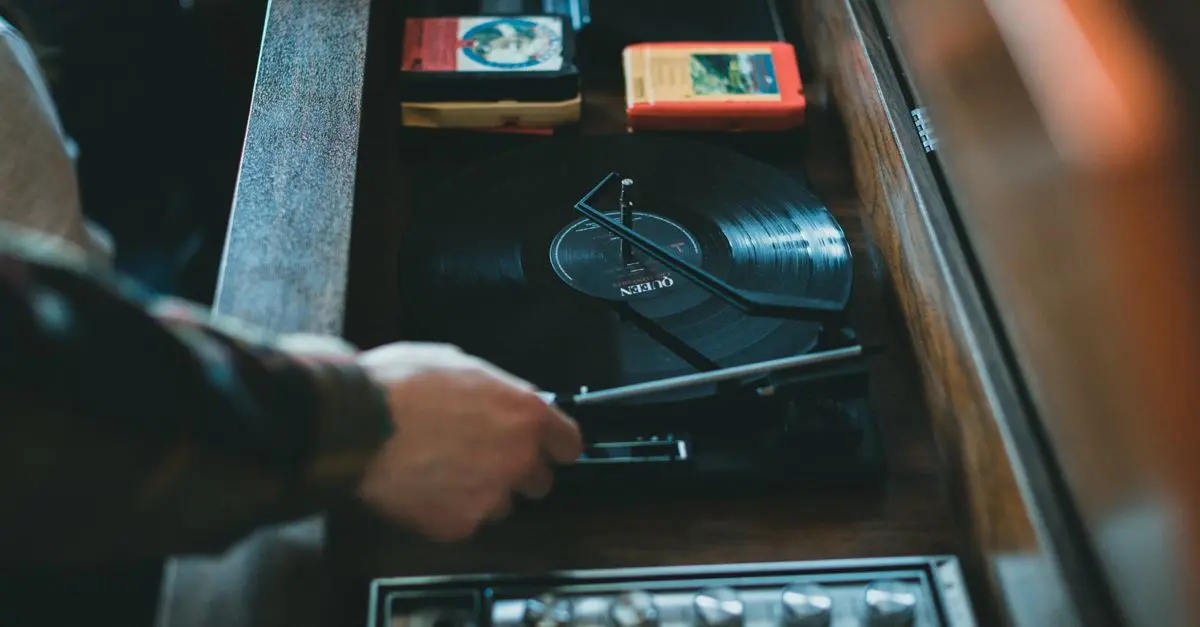
The source is the device where the audio originates. It can be anything from a digital streaming device to a vinyl record player. For instance, streaming services like Tidal or Spotify provide high-resolution audio that can enhance listening experiences considerably. Choosing the right source is crucial, as it sets the tone for the entire audio chain.
B. Amplifier
The amplifier strengthens the audio signal before it’s sent to the speakers. There are various types of amplifiers, including tube amplifiers, recognized for their warm sound, and solid-state amplifiers, known for clarity and reliability. When selecting an amplifier, consider your speakers’ specifications to ensure compatibility without distortion.
C. Speakers
Speakers convert electrical signals back into sound. The choice of speakers can dramatically alter the listening experience. Options range from bookshelf speakers for smaller spaces to floor-standing models that offer a more powerful sound. The key is to choose speakers that can adequately handle the power output from your amplifier while matching the acoustics of your room.
D. Mixing and Signal Processing Components
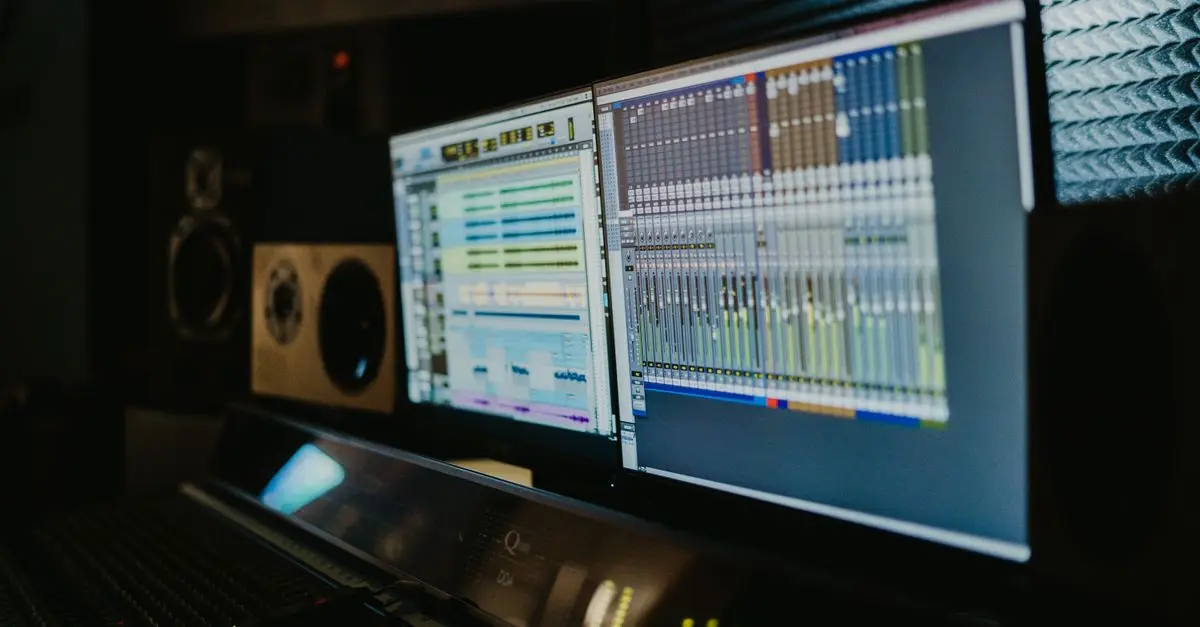
Mixers and signal processors can enhance the functionality of your HiFi system. Mixers allow more than one audio source to be combined. This is particularly useful for live sound setups. Signal processors, such as equalizers, help tailor the sound to your environment, offering custom adjustments to the audio output.
3. Choosing the Right Components
Step 1: Assess Your Listening Environment
Evaluating your space is the first step. The size of your room will determine the types of speakers and the power of the amplifier required. A small room may not require large speakers that can overpower the space. Ensure that your chosen components can fill your room with sound without distortion.
Step 2: Define Your Purpose
Whether you’re setting up a home theater, a stereo for music, or a recording studio, your needs will dictate your choice of components. Each setup will require different equipment to maximize audio performance. For instance, a home theater may focus more on surround sound systems, while a music setup might prioritize stereo output.
Step 3: Research Compatible Products
Do thorough research on the components you plan to invest in. Ensuring that your source, amplifier, and speakers are compatible will lead to a seamless integration of your HiFi system. User reviews and expert advice can be invaluable during this phase. This will prevent future frustration with component mismatches.
Step 4: Test Before You Commit
Visit local audio shops to test components before purchasing. Listen to how they perform together in real-time, paying attention to clarity, bass response, and overall sound quality. Perform blind tests if necessary to prevent biases based on brand names.
4. Comparison Table of Selected HiFi Components
| Component Type | Option A | Option B | Option C | Verdict |
|---|---|---|---|---|
| Source | Streaming Device | Vinyl Player | CD Player | Varies by preference |
| Amplifier Type | Tube | Solid-State | Class D | Limited to room size |
| Speaker Type | Bookshelf | Floor-Standing | In-Wall | Space-dependent choice |
| Mixer Use | Necessary for live | Not needed | Optional | Depends on usage |
5. Common Pitfalls to Avoid
- Ignoring Room Acoustics: Every room reacts differently to sound; neglecting its properties can diminish audio performance.
- Overemphasizing Brand Names: While brand reputation is essential, prioritize performance over label prestige.
- Failing to Consider Compatibility: Mismatching components can lead to wasted investments; always confirm compatibility before purchase.
Checklist before Purchase
- [ ] Assess your listening environment.
- [ ] Define the primary use of your audio system.
- [ ] Research potential components thoroughly.
- [ ] Conduct in-person tests where available.
- [ ] Verify compatibility of all chosen components.
Glossary
| Term | Definition |
|---|
| HiFi | High-fidelity audio technology for quality reproduction.
| Amplifier | Device that enhances audio signals for playback.
| Mixer | Equipment that combines multiple audio inputs. |
📺 Ressource Vidéo
> 📺 Pour aller plus loin : Understanding HiFi Audio Components, a comprehensive review of essential HiFi components. Search for: HiFi audio components guide 2026.
📺 Pour aller plus loin : HiFi audio components guide 2026 sur YouTube