Table of Contents (11 sections)
In the world of audio enthusiasts, HiFi audio restoration is an often overlooked but vital aspect of maintaining and enhancing audio quality. As technology advances, older audio formats and systems begin to show signs of wear, leading to a decline in sound quality. This guide serves as a comprehensive overview of restoration techniques that can breathe new life into your HiFi audio setup, making your listening experience as rich and vibrant as possible.
What is HiFi Audio Restoration?
HiFi audio restoration refers to the processes and technologies used to restore or enhance audio quality from various sources, including vinyl records, magnetic tapes, and digital files. The principal goal is to eliminate imperfections and enhance the fidelity of the audio signal.
Several issues can compromise audio quality, from physical damage (such as scratches on vinyl) to degradation of magnetic tape over time. Restoration techniques can range from simple cleaning processes to more advanced methods like remastering. For instance, a well-maintained vinyl record can offer superior sound quality compared to a poorly cared-for one. As UFC-Que Choisir points out, poorly kept records can lose up to 30% of their original audio quality due to wear and tear.
Understanding the different facets of HiFi audio restoration helps enthusiasts to not only cherish their collections but also preserve the integrity of their audio equipment, ensuring that sound quality is retained for generations.
Step-by-Step Guide to HiFi Audio Restoration Techniques
To restore HiFi audio effectively, follow these vital steps:
- Assessment: Start by examining your audio equipment and media. Look for signs of damage, such as scratches on records or frayed tapes. Identifying the specific issues will guide your restoration process.
- Cleaning: Use specialized cleaning products designed for vinyl and tapes to remove dust and dirt. For vinyl, using a carbon fiber brush can effectively eliminate surface dust. Magnetic tapes should be cleaned with isopropyl alcohol to avoid moisture damage.
- Playback Adjustment: Ensure that your playback equipment is calibrated correctly. Check tonearm weight, anti-skate settings, and ensure that your speakers are set up correctly to avoid distortion.
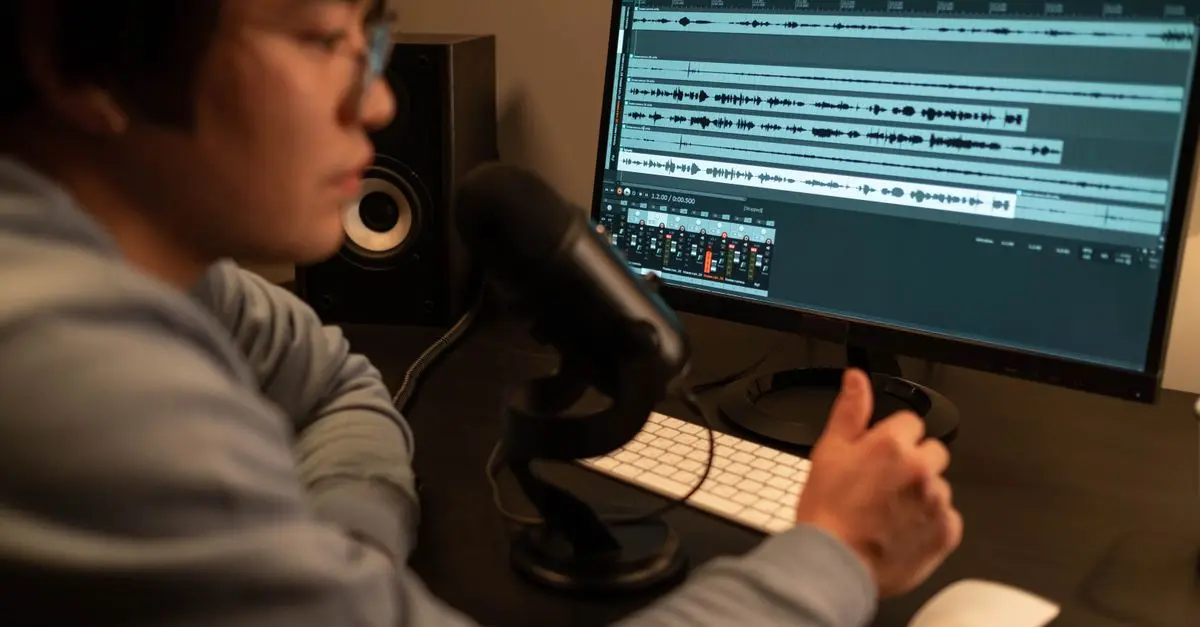
- Digital Restoration: Use audio editing software to digitize and enhance audio quality. Remove clicks, pops, or hisses using software algorithms that can analyze and correct audio flaws.
- Remastering: If you want to take your restoration to the next level, consider remastering audio. This involves adjusting volume levels, equalizing frequencies, and optimizing dynamic ranges for a richer sound.
By following these systematic steps, audio enthusiasts can achieve a significant improvement in the sound quality of their HiFi systems.
Comparing Restoration Methods
Understanding the advantages and limitations of various restoration methods can provide clarity on which techniques to pursue. Below is a comparison table outlining common methods and their characteristics:
| Restoration Method | Advantages | Disadvantages | Ideal Use Case |
|---|---|---|---|
| Cleaning | Inexpensive, easy to perform | Temporary improvement | Dust and grime issues |
| Digital Restoration | Precision and control | Requires expertise, software | Severe audio imperfections |
| Remastering | Significant quality improvement | Time-consuming, costly | Archiving or legacy media |
| Physical Repair of Media | Long-term restoration | Expertise needed | Damaged/professional-grade media |
The Importance of Quality Equipment in HiFi Audio Restoration
High-quality equipment is paramount in achieving exceptional HiFi audio restoration results. Investing in specialized cleaning machines, quality audio interfaces, and appropriate software can make all the difference. According to Les Numériques, using a high-fidelity turntable can preserve the nuances of sound that would otherwise be lost during playback.
Additionally, integrating advanced speakers or amplifiers designed for HiFi applications can ensure that any restored audio is reproduced as accurately as possible. Your choice of hardware not only affects the restoration process but also how the audio is ultimately experienced. For instance, Nielsen Ratings show that consumers express significantly higher satisfaction when high-end systems are employed.
Expert Opinion on HiFi Audio Restoration
💡 Expert Insight: As someone who has spent years in audio restoration, I can confidently say that patience is vital. Restoration might not yield instant results, but with diligence and the right tools, you can unlock audio quality you never thought possible from your collection. The key is to approach each restoration with a commitment to learning and experimentation.
FAQs on HiFi Audio Restoration
Q1: How can I start restoring my vinyl records?
A1: Begin with a thorough cleaning using a carbon fiber brush. From there, you can explore digital restoration techniques if needed.
Q2: Is it worth investing in professional audio restoration services?
A2: If the audio material is damaged or of significant value, professional restoration can save it effectively.
Q3: Can software really enhance audio quality?
A3: Yes, sophisticated software tools are designed to analyze and correct audio imperfections, providing substantial quality enhancements.
Q4: How often should I clean my audio equipment?
A4: Regular cleaning is recommended after each use, especially for vinyl and cassette players, to prevent dust buildup.
Checklist Before Starting HiFi Audio Restoration
- [ ] Assess the condition of the audio media.
- [ ] Gather necessary cleaning tools and materials.
- [ ] Choose appropriate audio software for restoration.
- [ ] Calibrate your playback equipment.
- [ ] Backup digital files before the restoration process.
Glossary
| Term | Definition |
|---|---|
| HiFi Audio | High-fidelity audio that aims to reproduce sound as accurately as possible. |
| Remastering | The process of creating a new version of a recording for improved quality. |
| Digital Restoration | Techniques used to repair or enhance audio files using digital tools. |
📺 For further exploration:
Check out ‘Effective Techniques for Audio Restoration’ on YouTube, which covers a variety of audio enhancement methods. Search for: "HiFi audio restoration techniques 2026".
Recommended Products
- - - - ---
📺 Pour aller plus loin : HiFi audio restoration techniques 2026 sur YouTube