Table of Contents (7 sections)
Creating a HiFi audio room is not just about investing in quality equipment; it’s about optimizing your environment to achieve the best sound experience possible. This guide will walk you through essential steps, considerations, and tips to help you set up your HiFi audio room effectively.
Understanding HiFi Audio Systems
HiFi, short for High Fidelity, refers to audio equipment that aims for the highest possible reproduction of sound quality. When setting up a HiFi audio room, several factors contribute to achieving high fidelity sound. Key aspects include the selection of audio components (speakers, receivers, and digital sources), the acoustics of the room, proper placement of equipment, and acoustic treatments. Understanding these elements will allow you to create an environment where audio can be experienced as intended by the creators.
According to research by Les Numériques, different speakers can distort sound in unique ways, highlighting the need for careful selection and placement. Elements like room size, shape, and materials significantly affect the sound; for instance, a room with hard surfaces may produce echoes and reflections that alter audio quality. Therefore, appreciating the physics of sound will help you make informed decisions during your setup process.
Step-by-Step Guide to Setting Up Your HiFi Audio Room
Step 1: Choose the Right Room
The first step in setting up your HiFi audio room is selecting a suitable space. Ideally, the room should be free from excessive noise, large open spaces, and should not have harsh reflective surfaces. A room with carpeting, upholstered furniture, and soft furnishings will tend to have better acoustics. An area with balanced dimensions and low ceiling height can minimize standing waves and auditory reflections that can muddle the sound.
Consider the room's purpose—if you plan to use it for both listening to music and watching movies, an adaptable space that can accommodate varied uses is beneficial. Avoid areas near heavy foot traffic or external noise influences, such as bathroom ventilation systems or kitchens, as these can detract from your overall audio experience.
Step 2: Equipment Selection
The next crucial step is selecting the right audio equipment. For a HiFi audio setup, you will need speakers, an amplifier, and a source device (like a CD player, turntable, or streaming device). When selecting speakers, consider their sensitivity, power handling, and frequency response, as these specifications will influence the sound output. High-quality equipment not only provides sound clarity but also reliability.
In 2026, advancements in technology mean that you can find various budget-friendly yet high-quality options for speakers and amplifiers that are equipped with Bluetooth and Wi-Fi connectivity. Integrating smart technology into your HiFi setup can enhance convenience without sacrificing audio quality. Remember, spending some time researching and reviewing various models will help you find equipment that suits your listening preferences and budget.
Step 3: Strategic Placement of Speakers and Equipment
Once you have your equipment selected, it’s time to position it correctly within the room. The placement of speakers significantly affects sound staging and imaging. Ideally, speakers should be positioned away from walls and corners to reduce bass reinforcement, producing clearer sound quality.
A common rule of thumb is to form an equilateral triangle between your speakers and your primary listening position. This helps in achieving a balanced sound stage. While placement might seem straightforward, many enthusiasts often overlook fine-tuning their setups which can make a surprising difference in sound performance. Experiment with slight adjustments to positioning to find the perfect sound balance according to your room’s unique characteristics.
Step 4: Acoustic Treatment
To improve the acoustics in your HiFi audio room, consider incorporating acoustic treatments. This can include room liners, bass traps, or sound diffusers to minimize unwanted echoes and enhance the sound quality. Wall panels made from materials like foam or wood can absorb sound waves, helping to reduce any excess reverb.
While many people think of acoustic treatment as something only for professional studios, even a home listener can benefit immensely from these changes. Research suggests that untreated rooms can lose up to 30% of sound quality due to unwanted reflections. Assess your room's acoustics, and consider engaging with professionals to make informed choices about effective treatments or DIY options.
Step 5: Calibration and Testing
After setting up your equipment and enhancing your room acoustics, it’s essential to calibrate your system for optimal performance. Many modern receivers come with automated calibration features that analyze the room's acoustics and adjust sound settings accordingly. This can help in providing an ideal listening experience tailored to your room.
It’s also beneficial to run tests using different music genres and sources to understand how your setup performs. Take notes on what works and what needs improvement. Often, even small changes in setup can lead to a more enjoyable experience and fine-tune the audio to your preferences.
Checklist for Setting Up Your HiFi Audio Room
- [ ] Choose a quiet, suitable room.
- [ ] Select high-quality audio equipment.
- [ ] Position speakers strategically for optimal sound.
- [ ] Incorporate acoustic treatments as needed.
- [ ] Calibrate and test your audio system.
Glossary
| Term | Definition |
|---|---|
| HiFi | High Fidelity audio, focusing on high-quality sound reproduction. |
| Acoustic Treatment | The use of materials to improve sound quality in a space, managing reflections and reverberations. |
| Calibration | The process of adjusting audio equipment to ensure optimal performance in a given environment. |
> 💡 Expert Tip: Regularly revisit your setup. Acoustic environments can change, and periodic adjustments can maintain the integrity of your sound experience.
📺 Resources Video
> 📺 For further insights: How to Set Up Your HiFi Audio Room, a complete guide on achieving the best sound at home. Search on YouTube: how to set up HiFi audio room 2026.
Frequently Asked Questions (FAQ)
- What is the best room shape for a HiFi setup?
A rectangular shape with equal dimensions can help reduce sound distortion and reflections.
- Do I need a subwoofer for HiFi audio?
While not mandatory, a subwoofer adds depth to the sound, particularly beneficial for listening to certain genres of music.
- How important is speaker placement?
Speaker placement is crucial; it directly influences the soundstage and imaging effects.
- Can I use regular furniture to improve acoustics?
Yes, soft furnishings can help reduce sound reflections, dramatically improving sound quality.
📺 Pour aller plus loin : how to set up HiFi audio room 2026 sur YouTube
Recommended products
Selected by our experts
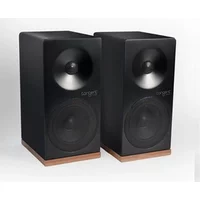
SPECTRUM X5 NOIR VENDUE PAR PAIRE
Darty FR
These compact speakers provide excellent sound clarity, making them ideal for a HiFi audio setup.

Cube Neo - Haut-parleurs - sans fil - Bluetooth - 25 Watt - 2 voies - noir
Darty FR
These wireless Bluetooth speakers offer convenience and high-quality sound for music enthusiasts.

Enceintes bibliotheque - Muse M-620 SH, Bluetooth, USB, 150W, Entrée Optique, RCA, Coaxiale, réglage Aigus/Graves, Lumière DIams
Darty FR
The monitor speakers are perfect for precise audio reproduction, essential for a HiFi audio environment.