
Table of Contents (15 sections)
In the world of audio technology, HiFi audio technologies are continuously evolving. As consumer demands change, manufacturers are implementing new innovations to enhance sound quality and listener experience. This article explores emerging technologies that are shaping the future of HiFi audio. Whether you are an audiophile or a casual listener, staying informed about these trends is essential for making the best choices in audio equipment.
What Are HiFi Audio Technologies?
HiFi audio technologies refer to high-fidelity sound systems that reproduce audio with minimal distortion. These technologies aim to deliver sound as close to the original recording as possible. Key components include high-quality speakers, amplifiers, and digital-to-analog converters (DACs). According to the International Audio Society, the HiFi market is expected to grow significantly, reaching approximately $20 billion by 2026.
Importance of HiFi Audio Technologies
The significance of HiFi audio technologies cannot be overstated. They cater to audiophiles seeking superior sound quality and a more immersive listening experience. With advancements in digital audio formats and high-resolution streaming, consumers can enjoy music as it was meant to be heard. Moreover, these technologies are crucial for professionals in music production, where sound quality is paramount for mastering and mixing tracks. The shift towards higher quality audio is reflected in the growing popularity of lossless streaming services such as Tidal and Qobuz.
Trending HiFi Audio Technologies
Emerging technologies in the HiFi audio domain include the following:
1. Spatial Audio
Spatial audio technology is making waves in the HiFi industry by providing a more immersive listening experience. This technology utilizes advanced algorithms to create a three-dimensional sound field, allowing users to experience music from all directions. Brands like Apple and Dolby are leading the way with offerings that enhance the auditory experience. As more devices support spatial audio, its adoption is expected to rise significantly. According to a report from NPR, spatial audio has been shown to enhance listener engagement, particularly in genres like classical and ambient music.
2. Wireless Audio Solutions
The demand for convenience has prompted a surge in wireless audio solutions. Technologies like Bluetooth and Wi-Fi streaming are becoming standard in HiFi equipment, making it easier to play music from smartphones and streaming services. With advancements in Bluetooth codecs like aptX HD and LDAC, the gap in sound quality between wired and wireless connections is narrowing. Reports indicate that wireless audio equipment sales are projected to increase by 25% over the next few years.
3. High-Resolution Audio Formats
Current advancements in audio quality are evident with the rise of high-resolution audio formats such as DSD and FLAC. These formats provide audio with a sampling rate higher than CD quality, offering a more detailed and nuanced listening experience. With the proliferation of high-resolution music libraries and compatible playback devices, consumers have greater access to superior sound quality. The Digital Music Association reports that sales of high-resolution audio are on the rise, reflecting a growing consumer preference for quality over convenience.
4. Integrated Smart Features
Smart features in audio devices are gaining traction, reflecting a move towards greater interconnectivity and ease of use. Many new HiFi products come equipped with smart assistants and compatibility with smart home systems. This allows users to control their audio experience through voice commands, enhancing the overall convenience. According to a survey conducted by Statista, 38% of consumers now prefer smart speakers as their primary audio device, indicating a shift in user preferences.
5. Sustainable Audio Technologies
Sustainability is crucial for the future of HiFi audio technologies. Manufacturers are increasingly focusing on eco-friendly materials and energy-efficient components. Companies like Bowers & Wilkins and Bang & Olufsen are leading initiatives to create environmentally friendly products while maintaining high audio standards. This trend reflects a growing consumer consciousness regarding environmental impacts, with studies showing that 70% of consumers are more likely to purchase products from brands committed to sustainability.

Système de mixage pa/dj haute puissance avec bluetooth, usb, batterie intégrée, microphone sans fil et lumières de fête
Darty FR

Comparing HiFi Audio Technologies
When evaluating HiFi audio technologies, comparing various features is essential. The table below highlights key aspects of different audio technologies.
| Feature | Spatial Audio | Wireless Audio | High-Res Audio | Integrated Smart
|------------------------|---------------|----------------|----------------|-----------------
| Immersive Experience | Yes | No | Limited | Yes
| Sound Quality | High | Moderate | Very High | Moderate
| Convenience | Moderate | High | Low | Very High
| Adoption Rate | Increasing | Rapid | Steady | Increasing
Checklist before Buying HiFi Audio Equipment
To ensure you make an informed purchase, consider the following items:
- [ ] Identify your primary audio source (digital/analog)
- [ ] Determine your budget for HiFi equipment
- [ ] Research about compatibility with existing devices
- [ ] Assess sound quality preferences (bass, clarity)
- [ ] Consider the importance of smart features in your setup
Q: What is HiFi audio technology?
A: HiFi audio technology refers to audio systems that reproduce sound with minimal distortion, aiming for high fidelity to the original recording.
Q: How does spatial audio improve the listening experience?
A: Spatial audio creates a three-dimensional sound field, allowing listeners to experience music from multiple directions, enhancing immersion.
Q: Are wireless audio solutions a good alternative to wired systems?
A: Yes, advancements in wireless technology have significantly improved sound quality, making wireless audio solutions a convenient alternative.
Q: Why is high-resolution audio important?
A: High-resolution audio offers greater detail and nuance compared to standard formats, providing a superior listening experience for audiophiles.
Glossary
| Term | Definition |
|---|---|
| Spatial Audio | A technology providing a three-dimensional sound experience. |
| High-Resolution Audio | Audio quality superior to CD quality, with higher sampling rates. |
| Bluetooth Codecs | Compression technologies improving audio quality over Bluetooth connections. |
📺 Ressource Vidéo
> 📺 Pour aller plus loin : Explore the latest trends in HiFi audio technologies, a comprehensive analysis of the advancements. Recherchez sur YouTube : "2026 HiFi audio technology trends".
Conclusion
The evolution of HiFi audio technologies is exciting, with innovations reshaping the landscape. From immersive sound to sustainable practices, the future promises enhanced listening experiences. Stay ahead of the trends and invest in the technologies that’ll elevate your audio experience.
Discover our recommendations below for quality audio products that align with these trends.
📺 Pour aller plus loin : 2026 HiFi audio technology trends sur YouTube
Recommended products
Selected by our experts
Système de mixage pa/dj haute puissance avec bluetooth, usb, batterie intégrée, microphone sans fil et lumières de fête
Darty FR
This high-power PA/DJ mixing system, with Bluetooth and integrated lights, is ideal for creating an immersive listening atmosphere.
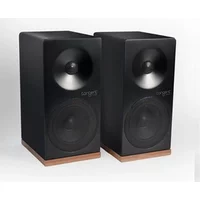
SPECTRUM X5 NOIR VENDUE PAR PAIRE
Darty FR
These compact speakers offer excellent sound quality and are designed to complement high-resolution audio formats.
SYSTEME D''ENCEINTES 2.1 PROMEDIA HERITAGE NOIR
Darty FR
This 2.1 speaker system combines active components with a subwoofer, enhancing the depth of listening experiences.