Table of Contents (15 sections)
As technology continues to evolve, the future of high fidelity audio is poised for significant transformations that will reshape how we experience sound. This article explores the latest innovations and trends that will influence the high fidelity audio landscape over the coming years.
Emerging Technologies in High Fidelity Audio
One of the most exciting developments shaping the future of high fidelity audio is the advent of spatial audio technology. Spatial audio creates a three-dimensional sound experience, allowing listeners to perceive sound from various directions, enhancing immersion. Companies like Apple and Dolby are leading the charge in this area, with technologies that allow users to experience music and movies as if they are in the middle of the action. Studies predict that the spatial audio market will grow significantly, seeing a Compound Annual Growth Rate (CAGR) of over 30% from 2026 onwards, according to MarketsandMarkets.
For example, immersive audio experiences through platforms like Tidal and Apple Music are already available, allowing listeners to enjoy tracks mixed in spatial formats. This innovation will not only enrich music but could also provide new opportunities for artists and creators, enabling them to express themselves in ways previously thought impossible. As we advance into this technology-driven era, expect to see an influx of content tailored for spatial sound environments.
The Rise of Personalized Audio
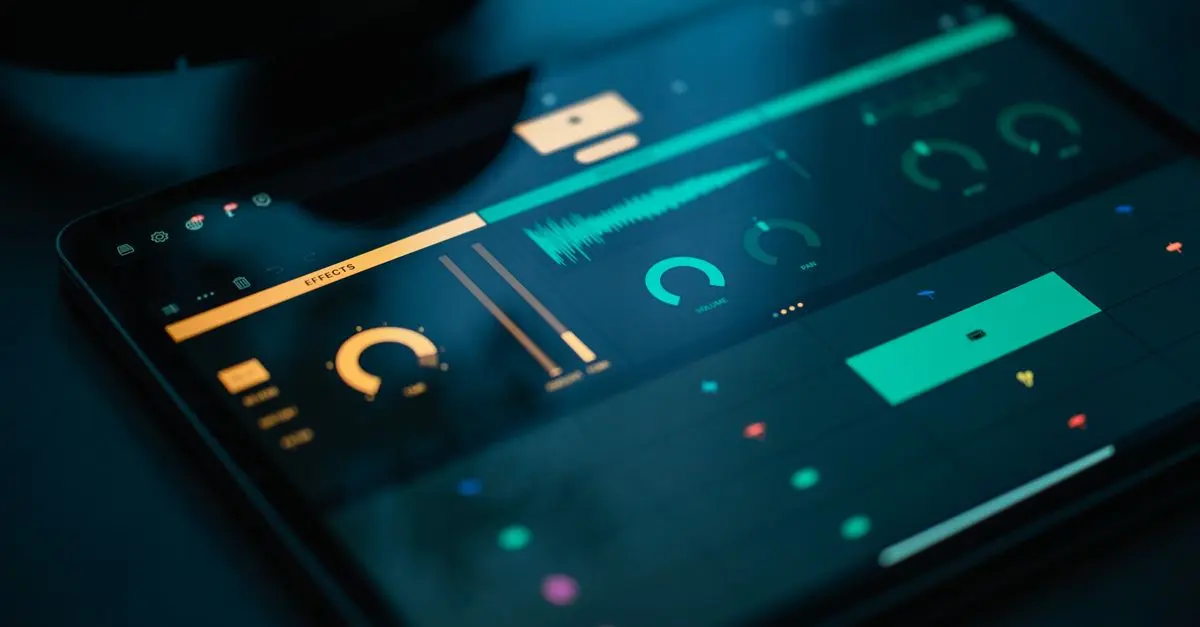
Personalization will play a crucial role in the future of high fidelity audio. Driven by advancements in machine learning and artificial intelligence, personalized audio experiences are becoming more accessible. Algorithms analyze listener preferences and curate customized playlists that match individual tastes, enhancing engagement and satisfaction.
Furthermore, services like Spotify and Pandora are already implementing recommendation systems that evolve as you listen. According to Statista, over 60% of listeners are more likely to engage with personalized content compared to generic playlists, emphasizing the significance of tailoring experiences to individual needs. The convergence of AI with high fidelity audio will also drive advancements in smart headphones and speakers, ensuring an optimal listening experience regardless of the environment.

Shiseido Future Solution LX Legendary Enmei Ultimate Renewing Cream - 50 ml
shiseido.com

Shiseido Future Solution LX Legendary Enmei Ultimate Brilliance Eye Cream - 15 ml
shiseido.com

Shiseido Future Solution LX Legendary Enmei Ultimate Luminance Serum - 30 ml
shiseido.com
Vinyl Resurgence: A Nostalgic Experience
Despite the surging digital landscape, the resurgence of vinyl records is a testament to the lasting appeal of analog sound. In recent years, vinyl sales have soared, with 2026 projected to see a continued increase in sales by approximately 25%. This trend highlights a growing movement towards authentic audio experiences that many listeners crave. The tactile nature of vinyl, combined with its rich, warm sound, provides an emotional connection that digital formats often lack.
Record labels are also recognizing this trend, with many artists releasing albums in vinyl format, catering to both collectors and audiophiles. Stores dedicated to vinyl are emerging in cities worldwide, further solidifying the status of records as more than just a nostalgic artifact. For those invested in high fidelity audio, investing in vinyl could become a more prominent aspect of their listening habits.
Advancements in Audio Equipment
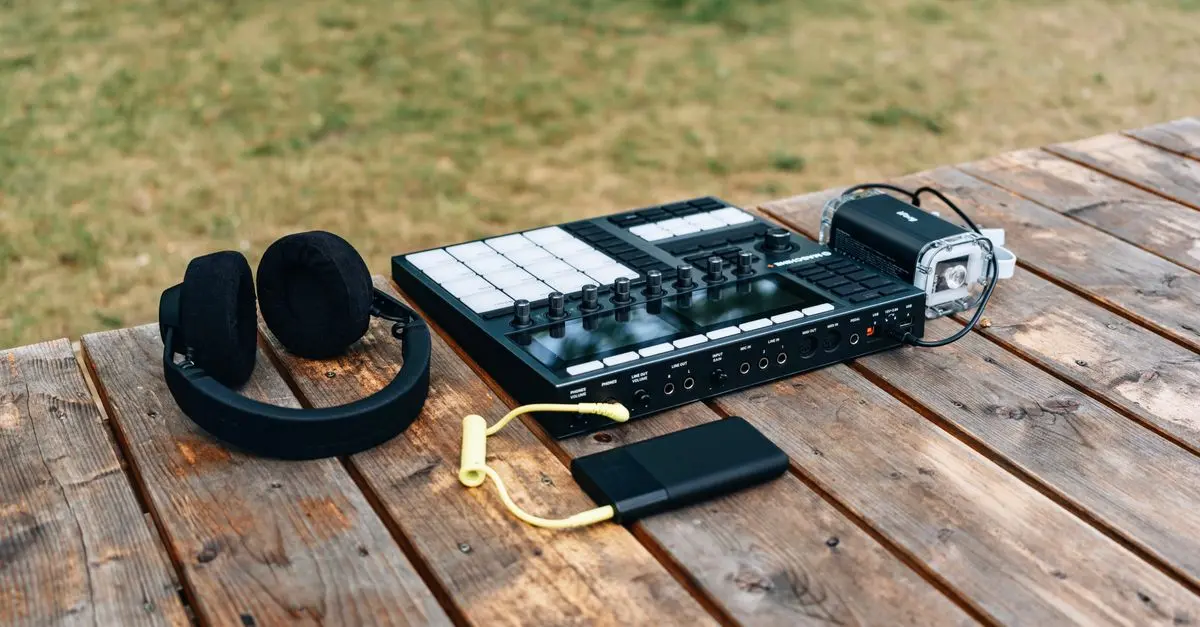
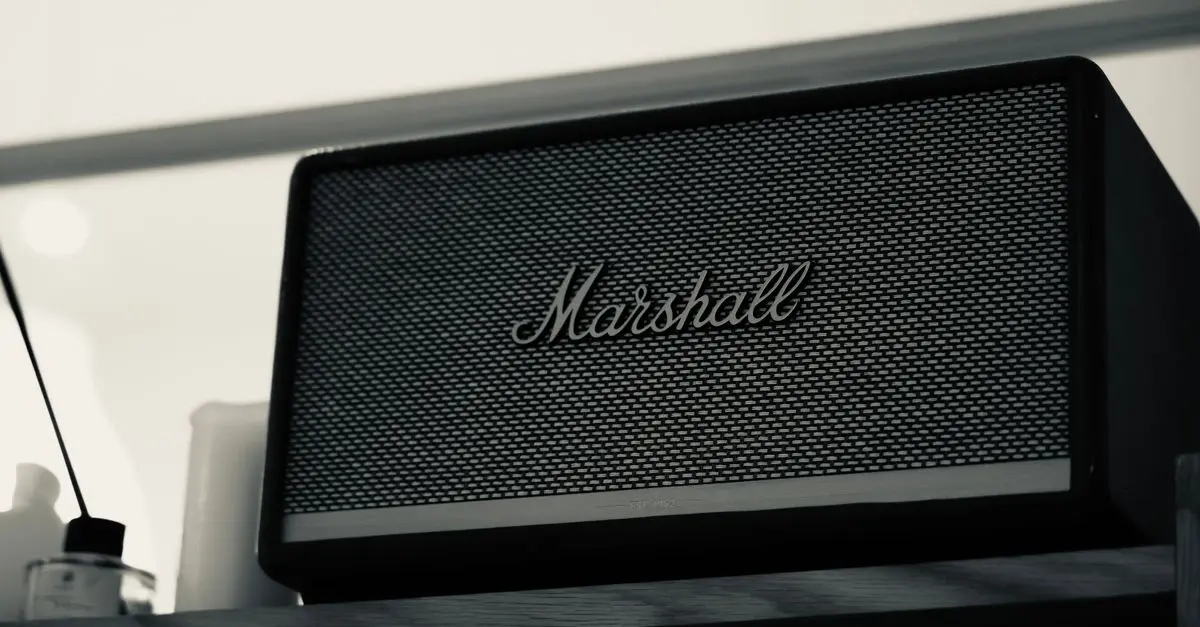
Future high fidelity audio will also see significant innovations in audio equipment. The integration of wireless technology into high-end audio gear is revolutionizing how we connect and listen. Devices such as high-end Bluetooth speakers and wireless headphones are now being equipped with advanced codecs like aptX Adaptive and LDAC, which ensure high-resolution audio streaming without sacrificing quality.
In addition to wireless technology, brands are increasingly focusing on stylish, ergonomic designs that blend aesthetics with functionality. The shift towards minimalism and premium materials in product design is becoming commonplace, appealing to consumers' desire for both performance and visual appeal. According to Gartner, the market for wireless audio equipment is expected to surpass $20 billion by 2027, demonstrating the rising demand for quality audio experiences without the constraints of traditional wired connections.
| Feature | Analog Equipment | Digital Equipment | Verdict |
|---|---|---|---|
| Sound Quality | Rich, warm tones | Clear, crisp audio | Each has its unique strengths. |
| Portability | Less portable | Highly portable | Digital wins in convenience. |
| User Experience | Nostalgic | User-friendly | Depends on personal preference. |
| Price | Can be costly | Ranges from budget to premium | Vinyl can be an investment. |
As with all industries, sustainability is becoming a priority in the audio world. As consumers become more environmentally conscious, audio brands are adapting by developing eco-friendly products. This includes the use of recycled materials in manufacturing and reducing the carbon footprint of audio equipment production.
For example, brands like Bose and Sonos are exploring sustainable design practices for their products. Research indicates that approximately 65% of consumers would prefer to buy from companies that are dedicated to sustainability. This growing awareness will not only shape consumer preferences but may also mandate regulations around the audio industry, pushing for greener practices across the board.
FAQs
What is high fidelity audio?
High fidelity audio refers to sound reproduction that is very faithful to the original recording, emphasizing clarity and detail.
How is spatial audio different from regular audio?
Spatial audio creates a three-dimensional sound field, allowing sounds to come from all directions, compared to traditional audio which is typically stereo.
Why is vinyl making a comeback?
Many listeners appreciate the warm, rich sound of vinyl and its tangible nature compared to digital formats.
What are some essential features to look for in high fidelity audio equipment?
Look for sound quality, build materials, user experience, and sustainability practices.
📺 Resource Video
Explore an in-depth discussion about high fidelity audio trends and innovations by searching for "current trends in high fidelity audio 2026" on YouTube.

Licensed Character Boys 6-20 Back To The Future 35th Retro Stripe DeLorean Graphic Tee, Boy's, - Black - Size: Medium
kohls.com
Plus Size Women's Roy Winter Beige Satchel by FUTURE BRANDS GROUP LLC in Black (Size ONE SIZE)
eloquii.com
Glossary
| Term | Definition |
|---|---|
| Spatial Audio | A technology that simulates sound coming from various directions to create an immersive experience. |
| High Fidelity | A term describing sound reproduction that is very close to the original recording quality. |
| Vinyl Records | Analog sound storage medium known for its large format and nostalgic appeal, praised for its sound quality. |
Checklist before purchase
- [ ] Determine your audio preferences.
- [ ] Research equipment reviews.
- [ ] Compare wireless and wired options.
- [ ] Consider sustainability in your choice.
- [ ] Explore spatial audio options for the latest tech.
In conclusion, the future of high fidelity audio is bright and full of potential. With innovations in technology, personalized experiences, and a renewed appreciation for analog formats, we can expect a more enriching audio landscape in the years to come. If you’re eager to enhance your listening experience, check out our recommended products below for quality audio solutions.
📺 Pour aller plus loin : The Frustrating Truth About Buying Stereos in 2026 sur YouTube
Recommended products
Selected by our experts

M·A·C COSMETICS MAC - Connect In Colour Eye Shadow Palette: Future Flame
maccosmetics.com


Shiseido Future Solution LX Total Protective Cream SPF 30 - Refill (50 ml)
shiseido.com