Table of Contents (12 sections)
High-resolution audio is often hailed as the gold standard in sound quality for music enthusiasts and serious audiophiles alike. This premium audio format offers richer and more detailed sound compared to standard formats like MP3 and CD quality. In this article, we will delve into the critical aspects of high-resolution audio, providing a comprehensive understanding of its importance, the technologies that support it, and practical guidance for those looking to enhance their listening experiences.
What is High-Resolution Audio?
High-resolution audio, commonly referred to as hi-res audio, encompasses audio formats that possess a higher sampling rate and bit depth than standard CD audio. While CDs offer 16-bit/44.1 kHz audio, high-resolution audio typically starts at 24-bit audio with sampling rates of up to 192 kHz or higher. This enhanced detail allows listeners to pick up subtleties in music that are often lost in lower-resolution formats.
Why is this significant? Simply put, the more data you have, the better the sound quality. High-resolution audio provides a deeper, clearer sound with a greater dynamic range, which plays a vital role in how music is perceived. Audiophiles often describe the experience of listening to hi-res audio as being enveloped by the music, feeling every nuance and every note as if the artist were performing live.
The Benefits of High-Resolution Audio
One of the primary advantages of high-resolution audio is its ability to reproduce music closer to how it was recorded. Many sound engineers utilize high-resolution formats during the recording process for their richer detail, which can be fully realized by listeners who invest in quality playback systems. According to UFC-Que Choisir, listeners have reported feeling more engaged with music due to the enhanced clarity and depth offered by high-resolution formats.
When listening to high-resolution audio, one can hear intricate details, such as the subtle breaths of vocalists, the distinct sounds of instruments, and the overall ambiance of recording environments, which significantly contributes to a more immersive listening experience. High-resolution audio formats also eliminate the artifacts that often accompany lossy formats like MP3,
resulting in clearer and more pleasant listening.

Plic Audio Bouchon Filtre Spécial Moto Speed Protection 3uts
DocMorris FR (ex DoctiPharma FR)

Plic Audio Bouchon Filtre Spécial Moto Comfort Protection 3uts
DocMorris FR (ex DoctiPharma FR)

Choosing the Right High-Resolution Audio Equipment
While understanding high-resolution audio is essential, having the right equipment to experience it is equally important. The first step is selecting a suitable digital-to-analog converter (DAC) capable of decoding high-res files. Many modern audio devices come equipped with DACs that support hi-res audio; however, dedicated external DACs can provide superior playback quality.
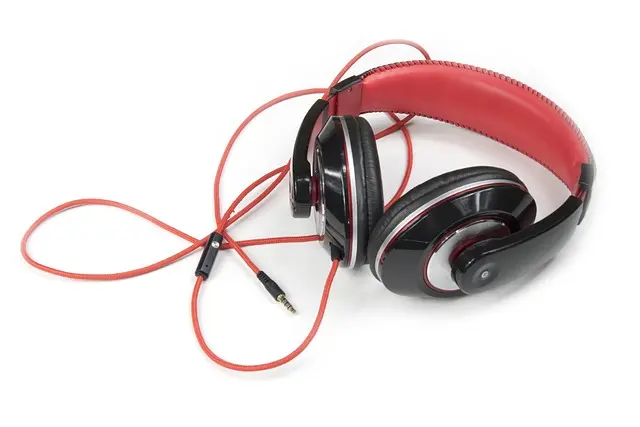
Another critical component is the headphones or speakers used for playback. Look for audiophile-grade headphones or high-quality speaker systems that can accurately reproduce the full range of frequencies found in high-resolution recordings. It’s also worth noting that the source of your audio files is essential. Opt for reputable streaming services or digital downloads that offer high-resolution options over standard definitions.
Step-by-Step Guide to Listening to High-Resolution Audio
- Select Your Source: Choose a streaming service or download platform that offers high-resolution audio files. Look for services explicitly promoting high-res or lossless audio.
- Choose Your Playback Device: Ensure that your device, whether it’s a smartphone, computer, or dedicated player, can handle high-resolution formats. Consider a modern DAC if necessary.
- Invest in Quality Headphones or Speakers: Purchase high-quality headphones or speakers to appreciate the nuances of high-resolution sound.
- Test Different Genres: Explore various music genres to appreciate how high-resolution audio affects different styles. Notice how instrumental tracks can reveal depth and layering that standard formats may miss.
- Adjust Settings: Fine-tune your playback settings to ensure you are getting the best sound possible from your setup.
Comparing High-Resolution Audio Formats
To further understand high-resolution audio, it’s helpful to compare various formats available in the market. The following table outlines key characteristics of popular high-resolution audio formats:
| Format | Bit Depth | Sample Rate | Key Features |
|---|---|---|---|
| FLAC | 16/24 bit | Up to 192 kHz | Lossless compression, widely used |
| DSD | 1 bit | Up to 5.6 MHz | Direct Stream Digital, high detail |
| WAV | 16/24 bit | Up to 192 kHz | Uncompressed, high fidelity |
| ALAC | 16/24 bit | Up to 192 kHz | Apple Lossless format |
| AIFF | 16/24 bit | Up to 192 kHz | Uncompressed, similar to WAV |
Addressing Common Questions About High-Resolution Audio
Q: Is high-resolution audio worth the investment?
A: High-resolution audio can be significantly more rewarding for those who truly appreciate sound quality, especially when using quality headphones or speakers.
Q: Do I need specific hardware for high-resolution audio?
A: Yes, while some devices support hi-res audio, dedicated DACs and premium headphones offer the best performance.
Q: Can I stream high-resolution audio?
A: Yes, many streaming services now offer high-resolution audio options alongside standard formats.
Q: What formats are considered high-resolution?
A: Formats such as FLAC, DSD, and ALAC are among the most common high-resolution audio formats.
Expert Opinion
> 💡 Expert Insight: Many audiophiles have claimed that switching to high-resolution audio formats dramatically changed their listening experience, creating a deeper emotional connection with the music. The clarity and details revealed in high-resolution recordings are unparalleled, solidifying its necessity in an audiophile's collection.
Glossary
| Term | Definition |
|---|---|
| Bit Depth | The number of bits used to represent each audio sample, influencing sound detail and dynamics. |
| Sample Rate | The number of samples of audio carried per second, measured in kHz, affecting audio quality. |
| Lossless Format | A type of audio file that preserves the original quality of the recording without any data loss. |
Checklist Before Purchase
- [ ] Ensure your current equipment supports high-resolution audio.
- [ ] Explore streaming services for high-resolution options.
- [ ] Read reviews on high-quality headphones or speakers.
- [ ] Compare different high-resolution file formats.
- [ ] Create a playlist featuring high-resolution audio tracks for testing.
📺 For further exploration: “The Science of High-Resolution Audio,” a detailed analysis of this exciting audio format. Search on YouTube: high-resolution audio explained 2026.
📺 Pour aller plus loin : The BEST Music Streaming Services of 2026 EXPLAINED! sur YouTube
Recommended products
Selected by our experts
Plic Audio Bouchon Filtre Spécial Moto Speed Protection 3uts
DocMorris FR (ex DoctiPharma FR)
These audio earplugs provide protection from external noise while ensuring you enjoy high-resolution sound without interruptions.
Plic Audio Bouchon Filtre Spécial Moto Comfort Protection 3uts
DocMorris FR (ex DoctiPharma FR)
Designed for comfort, these earplugs are perfect for long listening sessions as they maintain clarity while protecting your hearing.
Plic Poire à Oreille Audio Nettoyage Doux 1 ut
DocMorris FR (ex DoctiPharma FR)
These classic earplugs are essential for audiophiles seeking to maintain audio integrity while blocking out disturbing noise.