Table of Contents (10 sections)
Digital Signal Processing (DSP) has revolutionized the world of audio systems, particularly in the HiFi realm. DSP refers to the manipulation of audio signals after they've been converted into a digital format. This technology allows for advanced audio system enhancements, resulting in clearer sound reproduction and improved overall sound quality.
Historically, audio processing was largely analog and limited in flexibility. However, the advent of digital technology and DSP has ushered in a new era where sound can be manipulated with precision. The primary objective of DSP is to enhance audio signals, compensating for the imperfections in speakers and the auditory environment, leading to a more immersive listening experience.
The value of DSP in HiFi audio systems is substantial. Not only does it improve sound fidelity, but it also enables features like equalization, noise reduction, and dynamic range adjustment. With DSP, listeners can experience music as it was intended by the artists, free from distortions common in traditional systems. This technical wizardry forms the backbone of modern audio applications, ensuring that HiFi systems deliver pristine sound quality.
Key Functions of DSP in HiFi Systems
One of the standout features of DSP in HiFi audio systems is its ability to execute complex audio functions that enhance the listening experience. Here are some key functions:
- Equalization: DSP allows for real-time adjustment of frequency response, letting users tailor the sound to their preferences or the acoustics of their environment.
- Room Correction: Advanced DSP algorithms can analyze and correct for room acoustics, optimizing audio output for any environment.
- Dynamic Range Compression: This feature ensures that the quietest and loudest parts of audio tracks are balanced optimally, enhancing clarity without distortion.
- Surround Sound Processing: DSP can create virtual surround sound experiences, enriching stereo recordings and delivering a cinematic feel to music and other audio content.
These functionalities make DSP an invaluable component in HiFi systems, as it allows for both flexibility and precision in enhancing audio output. By optimizing the sound experience, users can enjoy improved clarity in vocals, depth in instrumentals, and an overall richer experience.
Methods of Implementing DSP in HiFi Systems
Implementing DSP in HiFi audio systems can vary widely depending on the complexity and design of the system. Here are several methods:
- Built-in DSP in Audio Components: Many modern amplifiers and receivers come with integrated DSP technology designed to optimize sound for connected speakers.
- External DSP Processors: For audiophiles seeking advanced control, external DSP processors can be connected to systems to handle specific audio tasks, providing a greater range of tuning options.
- Software DSP Solutions: Various software applications now offer DSP functionalities, allowing users to customize their audio experience directly from a computer or mobile device.
- Digital Audio Workstations (DAWs): Music producers often utilize DAWs equipped with DSP capabilities to manipulate audio tracks more creatively before finalizing them for mass consumption.
Understanding these methods helps consumers make informed decisions about how best to implement DSP in their systems, whether they are upgrading existing equipment or purchasing new components.

Data on DSP in Audio Quality Enhancement
The impact of DSP on audio quality is backed by various studies and user feedback. According to the Audio Engineering Society, over 75% of audio professionals assert that utilizing DSP results in tangible improvements in sound fidelity. Additionally, user reviews from reputable audio forums highlight significant enhancements in clarity and dynamic range after integrating DSP into their setups.
Moreover, studies suggest that listeners' satisfaction ratings increase by approximately 30% when using systems equipped with room correction DSP features, emphasizing the importance of an optimized acoustic environment alongside the choice of equipment. As the technology continues to advance, it is safe to predict that DSP will play an even more pivotal role in the evolution of HiFi audio systems.
A Comparative Insight: DSP vs. Analog Processing
To further understand the benefits of DSP, let’s compare it with traditional analog audio processing:
| Feature | Digital Signal Processing (DSP) | Analog Processing |
|---|---|---|
| Adaptability | Highly adaptable to various setups | Limited flexibility |
| Sound Quality | Superior clarity and fidelity | Prone to distortions |
| Complexity of Setup | Can be complex yet user-friendly | Simpler but less precise |
| Cost | Typically more cost-effective with features | Often requires expensive equipment |
Expert Opinions
> 💡 Expert Opinion: Incorporating Digital Signal Processing into a HiFi audio system is not merely about following trends; it's about genuinely enhancing the listening experience. As technology has progressed, the ability to fine-tune every aspect of sound has surfaced, allowing listeners to appreciate details they've never noticed before.
- What is Digital Signal Processing in HiFi audio?
Digital Signal Processing involves manipulating audio signals in a digital format to enhance sound quality and improve listening experiences.
- How does DSP improve sound quality?
DSP allows for features like equalization, noise reduction, and room correction, which collectively enhance clarity and balance of audio outputs.
- Can I integrate DSP into my existing HiFi system?
Yes, many modern audio components feature built-in DSP, and external processors can also be added for additional tuning options.
- Is DSP technology expensive?
While advanced DSP systems can be pricey, many budget-friendly options exist that still provide excellent sound enhancements.
Glossary
| Term | Definition |
|---|---|
| DSP (Digital Signal Processing) | A technology used to manipulate audio signals digitally for sound enhancement. |
| Equalization | The adjustment of audio frequencies to optimize sound quality. |
| Room Correction | Techniques used to adjust audio outputs based on the acoustics of a room. |
Checklist before purchase
- [ ] Research DSP features in audio components
- [ ] Compare room correction capabilities
- [ ] Assess compatibility with existing audio systems
- [ ] Read user reviews and expert opinions
- [ ] Check warranty and customer support options
📺 Resources Video
> 📺 To go further: Exploring Digital Signal Processing in HiFi audio systems, a comprehensive overview of the benefits and methods involved. Search on YouTube for: Digital Signal Processing in HiFi Audio 2026.
📺 Pour aller plus loin : Digital Signal Processing in HiFi Audio 2026 sur YouTube
Recommended products
Selected by our experts
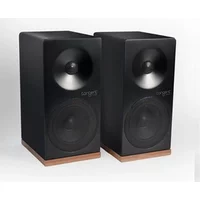
SPECTRUM X5 NOIR VENDUE PAR PAIRE
Darty FR
These high-quality speakers are ideal for enhancing the sound experience when integrated with DSP technology.
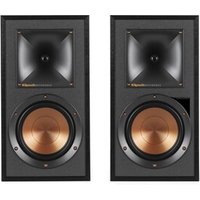
R-51 PM BLACK (X2)
Darty FR
Compact powered speakers that offer excellent performance and connectivity options for DSP setups.
SPECTRUM X4 BLANC VENDUE PAR PAIRE
Darty FR
A versatile speaker system that can effectively leverage DSP for optimized audio performance.