Table of Contents (18 sections)
High-resolution audio formats have transformed the way we experience music and sound. Unlike standard CD quality (16-bit/44.1 kHz), high-resolution audio offers greater depth, clarity, and detail, captivating audiophiles and casual listeners alike. The goal of high-resolution audio is to replicate the original sound as closely as possible, bringing listeners one step closer to a live music experience. In this guide, we will explore what high-resolution audio formats are, their benefits, and how to choose the right one for your audio setup.
What Are High-Resolution Audio Formats?
High-resolution audio formats refer to digital audio files that have a higher sampling rate and bit depth compared to standard formats. A common definition includes audio files of at least 24-bit depth with sample rates greater than 48 kHz, offering a richer soundscape. Common high-resolution formats include FLAC (Free Lossless Audio Codec), ALAC (Apple Lossless Audio Codec), DSD (Direct Stream Digital), and WAV (Waveform Audio File Format).
Understanding the different formats is crucial for audiophiles looking to capture full audio fidelity. For example, FLAC compresses audio without losing quality, making it an excellent choice for high-resolution files. On the other hand, DSD uses a unique one-bit format, providing a distinct listening experience via certain playback systems, such as SACD (Super Audio CD) players. Choosing the right format can significantly impact audio quality, making it essential to understand what each format offers.
Benefits of High-Resolution Audio Formats
High-resolution audio formats provide several benefits that enhance the listening experience:
- Improved Sound Quality: Higher bit depth and sample rate mean more audio data is captured, resulting in a clearer and more dynamic sound.
- Enhanced Detail and Depth: Listeners can hear subtle elements of a recording, such as the reverberation of a room or the texture of instruments, which are often lost in compressed formats.
- Better Dynamic Range: High-resolution formats capture a broader range of volumes, allowing for a more engaging listening experience.
According to a study by the Audio Engineering Society, listeners often report increased emotional connection and satisfaction when listening to high-resolution audio, especially in genres such as classical and jazz, where intricate details matter the most. Audiophiles argue that high-resolution audio can transform everyday listening into an immersive journey.
How to Choose the Right High-Resolution Audio Format
Choosing a high-resolution format depends on several factors, including your equipment, storage capabilities, and personal listening preferences. Here’s a step-by-step guide:
Step 1: Assess Your Audio Equipment
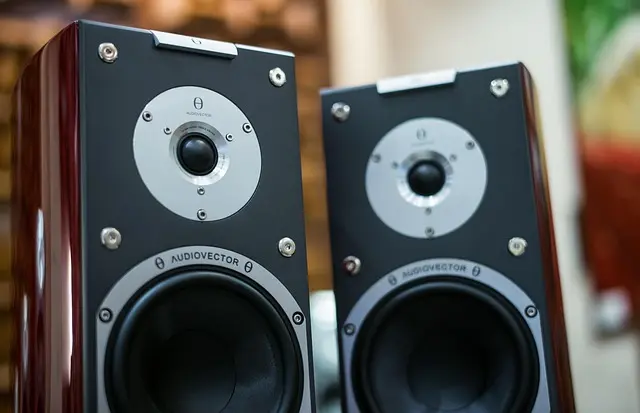
- Ensure that your speakers or headphones can handle high-resolution audio. Look for products specifically designed for such formats.
Step 2: Evaluate Your Storage Options
- High-resolution files tend to take up more space. Ensure you have enough storage on your devices or opt for streaming services that offer high-res options without the need for local storage.
Step 3: Try Different Formats
- Download samples of various formats and listen to them on your setup. This can help you decide which one resonates with your personal taste.
Step 4: Consider Your Listening Environment
- Keep in mind that the acoustics of your room can affect sound quality. Ensure you’ve created an optimal listening environment.
By taking these steps, you can find the high-resolution audio format that suits your needs and enhances your listening experience.
Comparison Table of High-Resolution Audio Formats
| Format | Bit Depth | Sample Rate | Compression | Verdict |
|---|---|---|---|---|
| FLAC | 24-bit | Up to 192 kHz | Lossless | Best for storage and quality |
| ALAC | 24-bit | Up to 192 kHz | Lossless | Ideal for Apple ecosystems |
| WAV | 24-bit | 192 kHz | Uncompressed | Superior sound quality, large file size |
| DSD | 1-bit | 2.8 MHz | Uncompressed | Great for dedicated players |
Expert Insights on High-Resolution Audio
> 💡 Expert Opinion: Many audiophiles find that investing in high-resolution audio formats not only improves sound quality but also deepens their appreciation for music. A seasoned engineer from Berklee College of Music recommends experimenting with different formats and critically listening to how each impacts your listening experience. The journey of discovering high-resolution audio is akin to an artist refining their craft—they come to appreciate the subtleties that define their passion.
📺 Ressource Vidéo
> 📺 For further exploration: Understanding High-Resolution Audio Formats, an in-depth breakdown of various formats and their benefits. Search on YouTube: "high-resolution audio formats explained".
Frequently Asked Questions (FAQ)
What is high-resolution audio?
High-resolution audio refers to audio formats that provide greater detail than standard-definition audio, typically defined as 24-bit depth and sample rates above 48 kHz.
Why should I choose high-resolution audio formats?
High-resolution formats offer improved sound quality, greater dynamic range, and enhanced detail, allowing listeners to enjoy music as close to the original recording as possible.
How can I play high-resolution audio?
You can play high-resolution audio through compatible digital audio players, DACs (digital-to-analog converters), and software that supports such formats.
Are high-resolution audio formats worth the investment?
For audiophiles and serious music lovers, high-resolution audio formats are often worth the investment for the superior sound quality they deliver. However, casual listeners may not notice the difference.
Checklist Before Buying High-Resolution Audio Format
- [ ] Evaluate your audio equipment compatibility
- [ ] Assess available storage for high-resolution files
- [ ] Download sample files for comparison
- [ ] Experiment with different formats
- [ ] Set up an optimal listening environment
Glossary
| Term | Definition |
|---|---|
| FLAC | Free Lossless Audio Codec; a format that compresses audio without loss. |
| ALAC | Apple Lossless Audio Codec; similar to FLAC, designed for Apple devices. |
| DSD | Direct Stream Digital; a one-bit audio format offering high fidelity. |
---
📺 Pour aller plus loin : Sound Formats EXPLAINED sur YouTube