Table of Contents (9 sections)
High-resolution audio formats are revolutionizing the way we experience music, providing sound quality far beyond what standard audio formats offer. With a growing number of music enthusiasts seeking a more immersive auditory experience, understanding high-resolution audio formats is essential. In this article, we will explore what high-resolution audio formats are, their benefits, and why they matter in today's music landscape.
What Are High-Resolution Audio Formats?
High-resolution audio formats refer to digital audio files that offer better sound quality than the standard CD-quality audio formats. Typically, these audio files have a higher sampling rate and bit depth, allowing for a more accurate representation of the original sound recording. For example, while a standard CD has a resolution of 16-bit/44.1 kHz, high-resolution audio formats can offer resolutions of up to 24-bit/192 kHz or even higher.
The significance of this enhancement lies in the ability to capture more nuances and finer details present in the music. As music technology advances, formats like FLAC (Free Lossless Audio Codec) and DSD (Direct Stream Digital) are becoming more popular among audiophiles. These formats preserve the original sound quality, ensuring listeners experience music as intended by the artists.
Understanding these formats is vital for anyone serious about sound quality. Many streaming services now offer high-resolution tracks, making this format increasingly accessible to the average listener. As such, high-resolution audio formats are no longer just for professionals; they are also finding their way into the homes of casual music fans who crave authenticity in their listening experience.
How to Start Enjoying High-Resolution Audio
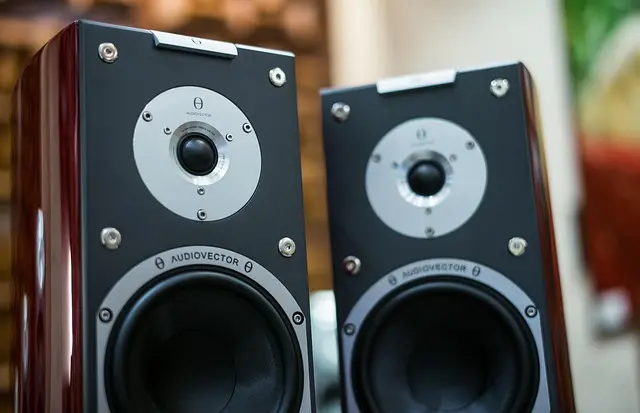
Embracing high-resolution audio formats requires a few key steps to ensure you get the best experience possible. Start by assessing your current audio equipment. If you are using standard headphones or speakers, you may not be able to appreciate the subtleties of high-resolution audio. Consider upgrading to high-quality headphones or speakers that can reproduce the wider frequency range and dynamic range offered by these formats.
- Choose Your Audio Source: Select a reliable source for downloading or streaming high-resolution audio. Popular platforms like Tidal and Qobuz offer extensive libraries of high-res audio tracks. Make sure that you also have a compatible playback device, such as a high-resolution audio player or a DAC (Digital-to-Analog Converter).
- Configure Your Setup: To fully experience high-resolution audio, ensure your equipment can handle the increased file sizes and data rates. Make sure your DAC and any other components in your audio chain are compatible with high-resolution formats.
- Explore Your Library: High-resolution audio is available in various genres, so take some time to explore different tracks and albums. You'll likely find that certain genres, like classical and jazz, especially benefit from high-resolution formats due to their complex soundscapes.
💡 Expert Insight: Engaging with high-resolution audio is not just about the equipment; it's also about how you approach listening. Give each track your full attention and allow yourself to be immersed in the sound.
Comparison of Audio Formats
When considering high-resolution audio formats, it’s useful to compare them with standard formats. Below is a comparison table highlighting key differences:
| Criteria | Standard CD | FLAC | DSD |
|---|---|---|---|
| Bit Depth | 16-bit | Up to 24-bit | 1-bit |
| Sample Rates | 44.1 kHz | Up to 384 kHz | Up to 11.2 MHz |
| Compression | Lossy | Lossless | Lossless |
| File Size | Relatively small | Larger than CD | Very large |
| Audio Quality | Standard | High Resolution | Ultra High Resolution |
The significant difference between high-resolution audio and standard formats lies in the listening experience. Music encoded in high-resolution formats retains more of the original details, allowing listeners to appreciate the subtleties of musical performances. This enhanced audio quality can positively impact how we perceive various music elements, such as dynamics, soundstage, and tonal balance.
According to a study conducted by UFC-Que Choisir, over 70% of participants reported a noticeable difference in clarity and depth while switching from CD to high-resolution audio formats. This shift could redefine listening habits among music enthusiasts, encouraging them to invest more in their audio setups.
Frequently Asked Questions (FAQs)
Q: What is the difference between lossless and lossy audio formats?
A: Lossless formats preserve all audio data without any loss in quality, while lossy formats compress files by removing some audio data, which may affect sound quality.
Q: Can any audio device play high-resolution audio?
A: No, not all devices support high-resolution audio. Make sure your device or DAC is compatible with formats like FLAC or DSD.
Q: Is it worth investing in high-resolution audio?
A: If you are passionate about music and audio quality, investing in high-resolution audio can significantly enhance your listening experience.
Q: Do I need special cables for high-resolution audio?
A: It’s a good idea to use high-quality cables, especially between your DAC and speakers, to ensure the signal remains clean and uncorrupted.
📺 For Further Exploration:
Watch the video titled Understanding High-Resolution Audio for a detailed analysis of high-resolution formats and their advantages. Search on YouTube: high-resolution audio formats benefits
Glossary
| Term | Definition |
|---|---|
| Sampling Rate | The number of samples of audio carried per second, measured in Hertz (Hz). |
| Bit Depth | The number of bits used for each audio sample, affecting dynamic range and detail. |
| DAC (Digital-to-Analog Converter) | A device that converts digital audio signals into analog signals for playback. |
Checklist Before Investing in High-Resolution Audio
- [ ] Evaluate current audio equipment.
- [ ] Research high-resolution audio sources and platforms.
- [ ] Consider upgrading headphones or speakers.
- [ ] Check compatibility of DAC or audio device.
- [ ] Explore different music genres in high-res formats.
🧠 Quick Quiz: What is the typical bit depth of a standard CD?
- A) 8-bit
- B) 16-bit
- C) 24-bit
Answer: B — Standard CDs utilize a 16-bit depth for audio quality.
📺 Pour aller plus loin : What is Hi Res Audio? sur YouTube