Table of Contents (10 sections)
In the world of audio systems, active vs passive speakers is a debate that often sparks interest among audiophiles and casual listeners alike. Each type has distinct advantages and disadvantages that can significantly influence your listening experience and overall setup. This article aims to delve deeper into the nuances of both speaker types, exploring their technical differences, usability, and suitability for various applications.
What are Active and Passive Speakers?
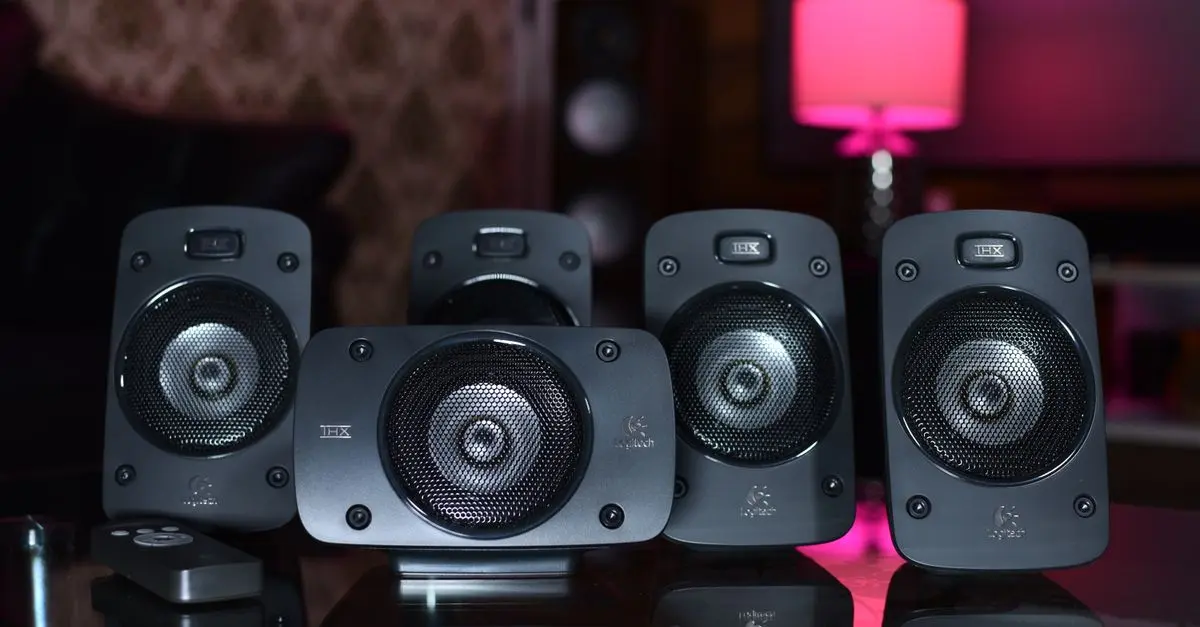
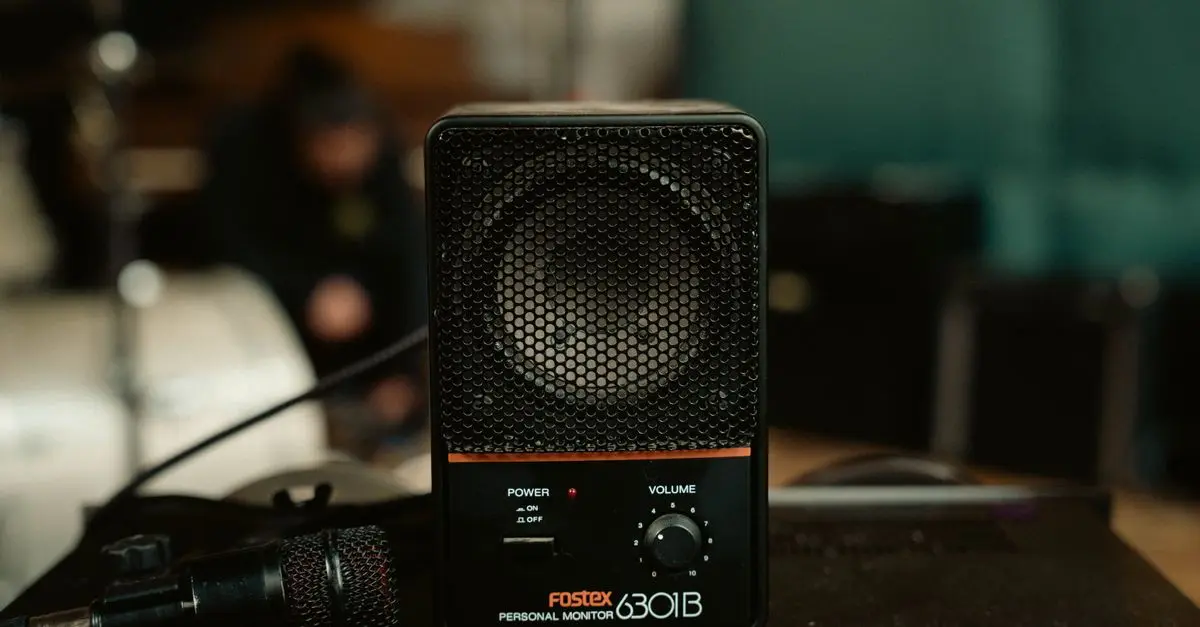
To understand the differences between these two speaker types, it’s essential to define them clearly. Active speakers come equipped with built-in amplifiers. This means they can be connected directly to a source (such as a computer, smartphone, or music player) without the need for an external amplifier. They often include additional features like signal processing, EQ adjustments, and various input options.
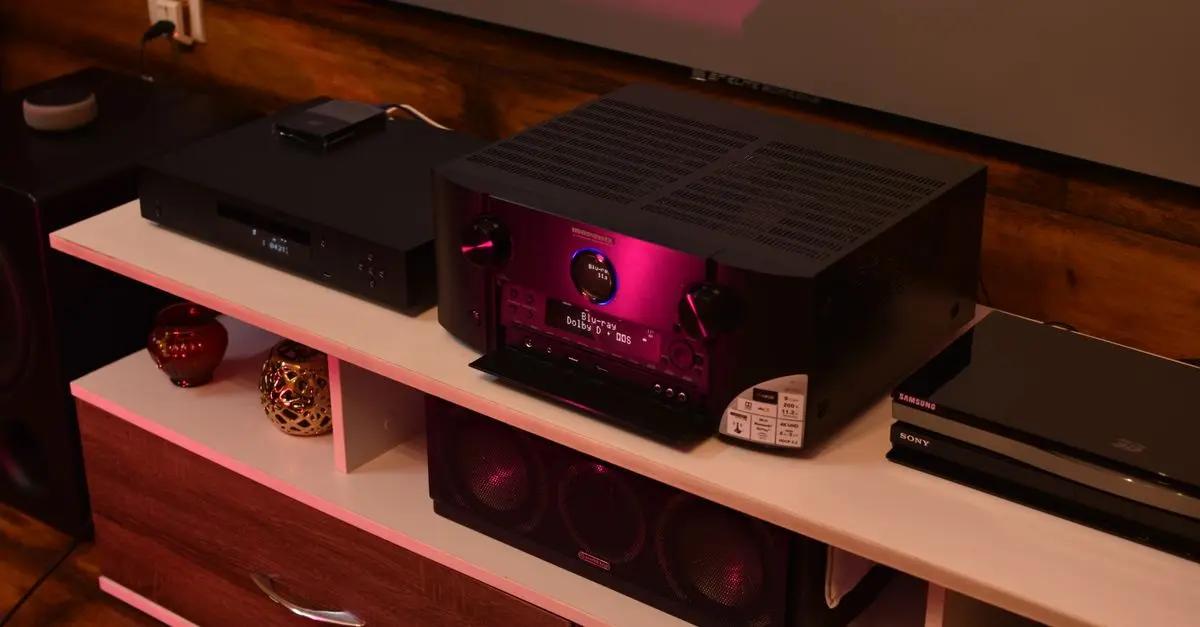
On the other hand, passive speakers require an external amplifier to function. This amplifier powers the speakers when connected through speaker wires. Passive speakers do not have built-in amplification and often rely on the quality and specifications of the external amp to deliver optimal sound performance.
The choice between these two types of speakers can significantly impact your audio setup. Understanding each type's capabilities, limitations, and ideal use cases can help you make an informed decision that aligns with your audio preferences and needs.
Key Differences Between Active and Passive Speakers
| Criterion | Active Speakers | Passive Speakers | Verdict |
|---|---|---|---|
| Amplification | Built-in amplifier | Requires external amplifier | Active speakers are more convenient. |
| Setup Complexity | Easier setup with fewer components | More complex with multiple components | Passive speakers allow for customization. |
| Sound Quality Control | Integrated DSP for sound tuning | Depends on the connected amplifier | Active speakers offer more control. |
| Portability | Generally lighter and easier to transport | Can be bulkier due to additional equipment | Active speakers are often more portable. |
Setting up your speaker system correctly can enhance your listening experience. Here’s a step-by-step guide to help you choose between active and passive speakers:
- Assess Your Needs: Determine what you primarily use your speakers for—music, movies, gaming, etc.
- Consider Space: Evaluate your available space. Active speakers are generally more compact, while passive setups may require more room.
- Budget: Decide on your budget. Active speakers often include all necessary components but might have a higher upfront cost.
- Listen to Both: If possible, test both types of speakers in a controlled environment to see which sound profile suits your taste better.
- Research and Review: Look for customer reviews and expert opinions to guide your choice. Websites like UFC-Que Choisir offer valuable insights into various audio equipment.
Advantages and Disadvantages of Each Speaker Type
Active Speakers
Active speakers offer numerous advantages. The built-in amplifiers simplify setup, allowing users to connect them directly to a sound source without needing additional hardware. This design reduces clutter, making them ideal for users with limited space. Many active speakers also include advanced features like digital signal processing (DSP), allowing for optimal sound tuning. For instance, brands like Yamaha and JBL have built a reputation for offering excellent models that cater to both audiophiles and casual listeners.
However, one drawback of active speakers is that once you invest in a pair, upgrading your components can be more challenging since the amplifier is integrated. If a newer, superior amp becomes available, you may need to replace the entire speaker setup, which could lead to higher costs long term.
Passive Speakers
Passive speakers come with their own set of advantages. One key benefit is their flexibility. Users can customize their audio setups more easily by mixing and matching amplifiers and speakers. This variability allows for upgrading components without replacing everything. Moreover, high-quality passive speakers can deliver outstanding sound quality when paired with the right amplifier, often resulting in a richer audio experience.
On the downside, passive speakers tend to involve more complex setups and require additional components, leading to a potentially cluttered space and higher overall cost. They often lack the convenience and compactness of active speakers, which can deter some potential buyers.
Expert Insights on Choosing Between Active and Passive Speakers
💡 Expert Opinion: According to industry experts, the decision boils down to the listener's preferences and technical needs. Alex Johnson, a sound engineer, states, "For those just starting their audio journey, active speakers are often the best choice due to their user-friendly nature. However, seasoned audiophiles may appreciate the customization offered by passive setups."
Q1: Do active speakers sound better than passive speakers?
A1: Sound quality can be subjective and depends on various factors, including the speaker models and personal preference. Active speakers often provide a more consistent sound due to integrated amplification.
Q2: Can I use passive speakers without an amplifier?
A2: No, passive speakers require an external amplifier to produce sound, as they lack built-in amplification.
Q3: Which is better for a portable setup?
A3: Active speakers are usually more portable due to their compact design and straightforward setup.
Q4: Are active speakers worth the investment?
A4: For many users, the convenience and quality offered by active speakers justify the investment, especially for casual listeners.
📺 Resource Video
> 📺 For further insights: Discover the differences between active and passive speakers. Search for: "active vs passive speakers comparison 2026".
Checklist Before Buying
- [ ] Determine your primary use (music, gaming, etc.)
- [ ] Assess space availability for setup
- [ ] Set a budget for your audio equipment
- [ ] Compare sound profiles of both speaker types
- [ ] Read reviews from trusted sources
Glossary
| Term | Definition |
|---|---|
| Active Speakers | Speakers that include a built-in amplifier and processing systems for sound optimization. |
| Passive Speakers | Speakers that require an external amplifier to produce sound and lack built-in amplification. |
| Amplifier | A device that increases the strength of audio signals delivered to speakers for sound output. |