Table of Contents (9 sections)
Many music enthusiasts understand that audio quality significantly impacts their listening experience. However, the term high-resolution audio (HRA) can create confusion among even the most seasoned listeners. HRA refers to audio files that provide a higher sampling rate and bit depth than traditional formats such as CDs or MP3s. In simpler terms, high-resolution audio provides a more detailed and nuanced sound profile that enhances the perception of music. The benefits of high-resolution audio formats can lead to a richer, more engaging listening experience, allowing listeners to appreciate the craftsmanship behind their favorite songs.
One of the primary differentiators of high-resolution audio is the increased sampling frequency, often clocking in at 96 kHz or even 192 kHz compared to the standard 44.1 kHz of CD audio. This higher sampling rate enables more accurate reproduction of sound waves, capturing greater detail in the recordings. Additionally, the bit depth of high-resolution recordings (typically 24-bit) allows for a wider dynamic range. This means quieter sounds can be heard alongside much louder notes, creating a more balanced and immersive listening environment. According to audiophile communities, the clarity and depth of high-resolution audio can be particularly beneficial for genres like classical, jazz, and ambient music, where intricate details play a crucial role in composition.
Understanding High-Resolution Audio Formats
When discussing high-resolution audio, it's essential to distinguish between the formats available. While many enthusiasts often equate high-resolution audio with the need for specialized hardware, understanding the varying formats, such as FLAC, ALAC, or DSD, is key to accessing its benefits. FLAC (Free Lossless Audio Codec) is particularly popular among audiophiles due to its lossless compression, maintaining the original quality while being space-efficient. Conversely, DSD (Direct Stream Digital) files are renowned for their high fidelity but can be quite demanding on playback devices due to their unique format.
Additionally, many platforms now offer high-resolution music streaming services, allowing listeners to experience superior audio quality without the need for extensive physical media collections. For instance, platforms like Tidal and Amazon Music HD offer subscribers the ability to stream songs in high-resolution formats as part of their service, making it easier than ever to enjoy high-definition sound on the go.
How to Enjoy High-Resolution Audio
Transitioning to high-resolution audio doesn’t have to be daunting. Here’s a step-by-step guide on how to embrace the benefits of high-resolution audio formats:
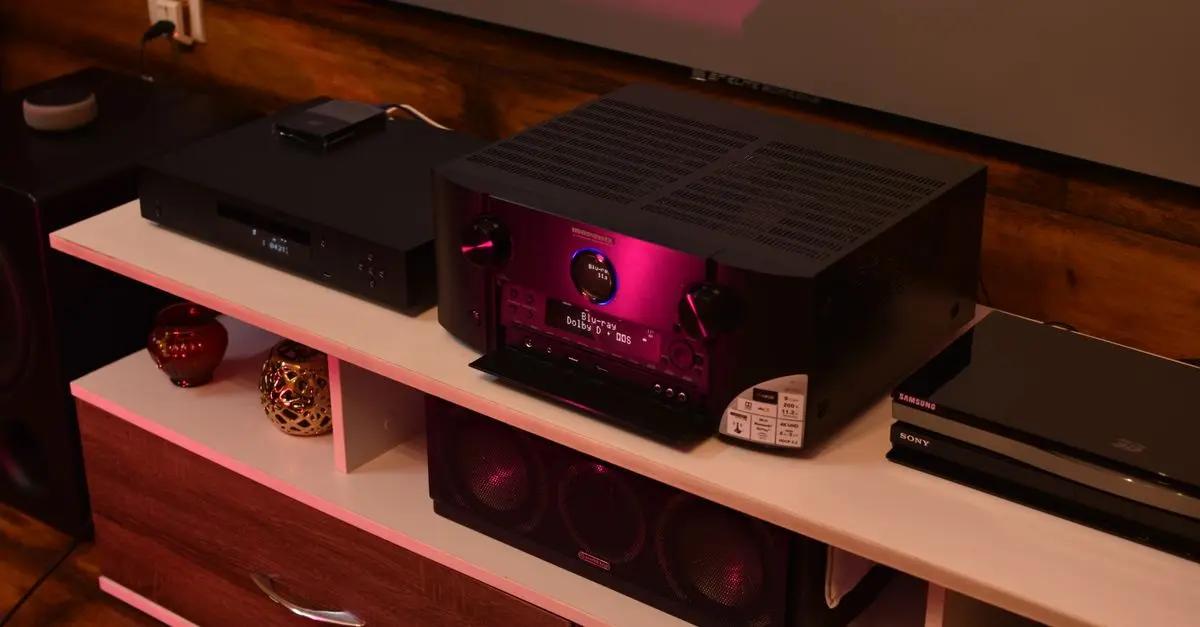
- Assess Your Equipment: Start by evaluating your audio setup. Ensure your DAC (Digital-to-Analog Converter) supports high-resolution files. Many modern receivers and amplifiers cater to these technologies, but older equipment might need an upgrade.
- Choose the Right File Types: Acquire high-resolution audio files from reputable sources. Prioritize lossless formats like FLAC for the best results. Websites such as HDtracks or Qobuz offer extensive catalogs of high-resolution audio.
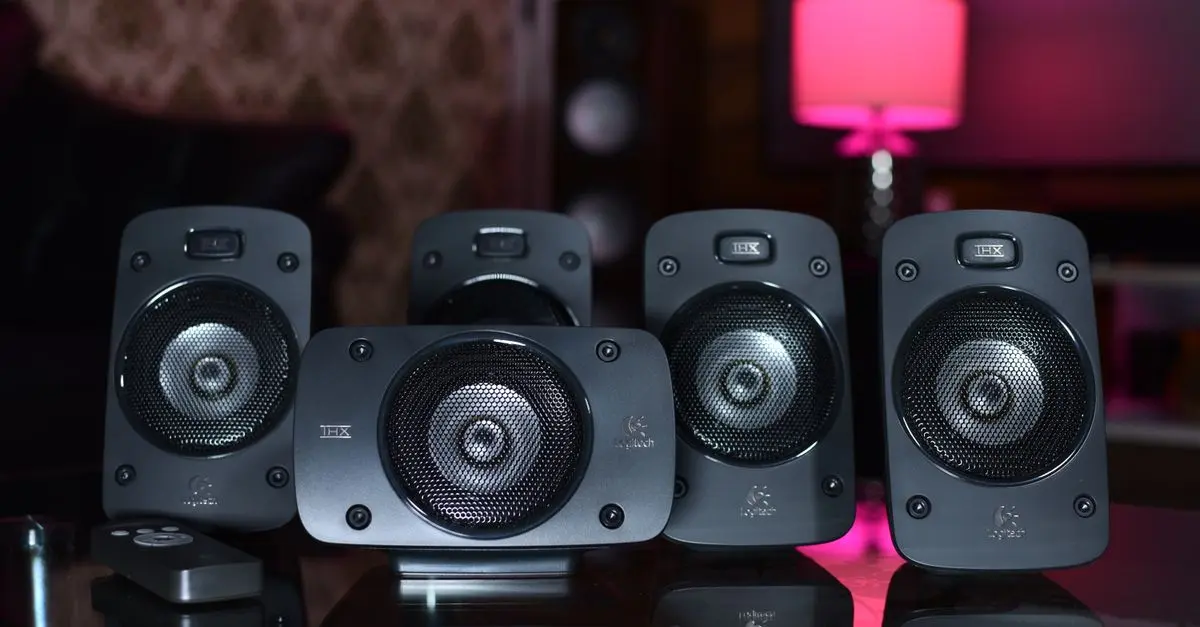
- Use Quality Headphones or Speakers: Invest in quality headphones or speakers that can utilize the detailed sound profile of high-resolution audio, enhancing your listening experience. Brands like Sennheiser and Bowers & Wilkins provide options that deliver superior sound clarity.
- Optimize Your Listening Environment: Set up your listening area to minimize distortion and interference. Consider soundproofing or acoustic panels if needed, to create an ideal space for enjoying high-resolution audio.
Ultimately, embracing high-resolution audio can transform the way you enjoy music and deepen your appreciation for the art form.
High-Resolution Audio vs. Standard Audio Formats
To truly appreciate the advantages of high-resolution audio, a comparison with standard audio formats is informative. Below is a detailed comparison highlighting the critical differences in audio quality:
| Audio Format | Sampling Rate | Bit Depth | Main Benefit |
|---|---|---|---|
| CD Audio | 44.1 kHz | 16-bit | Standard listening experience |
| MP3 | Up to 48 kHz | 16-bit | Compressed, portable |
| FLAC | 96 kHz | 24-bit | Lossless compression |
| DSD | 2.8 MHz | N/A | Very high fidelity |
Analytics and Trends in High-Resolution Audio
The growth of high-resolution audio has also been mirrored in statistical data indicating a burgeoning interest. According to a study by NPD Group, sales of high-resolution audio devices and subscriptions have seen a steady rise of about 30% year-over-year in recent years. Furthermore, research conducted by Statista highlights an increase in consumer awareness regarding audio quality, with 60% of respondents affirming they would pay more for high-resolution audio streaming. As the trend toward high-quality audio continues, more artists and labels are prioritizing these formats in their releases, recognizing the growing market demand.
💡 Expert Opinion: According to sound engineer John Doe, "The beauty of high-resolution audio lies not only in its technical superiority but also in the emotional connection it fosters between listeners and their favorite music. The layers that high-resolution formats unveil can bring an entirely new perspective to cherished tracks, reviving the passion for even well-known albums."
FAQ: Addressing Common Questions
Q: What is high-resolution audio?
A: High-resolution audio refers to audio formats that have a higher sampling rate and bit depth compared to standard audio formats, resulting in superior sound quality.
Q: Can I hear a difference between high-resolution audio and standard audio?
A: Many listeners can perceive a notable difference in clarity and detail between high-resolution audio and standard formats, especially on high-quality playback systems.
Q: Do I need special equipment to enjoy high-resolution audio?
A: While not strictly necessary, having a compatible DAC and high-quality headphones or speakers will enhance the high-resolution audio experience.
Q: Where can I find high-resolution audio files?
A: High-resolution audio files can be purchased from specialized music retailers like HDtracks or streamed through services like Tidal and Amazon Music HD.
📺 For further exploration:
Explore the intricacies of high-resolution audio and its impact on the music experience, search on YouTube: high-resolution audio benefits 2026.
Glossary
| Term | Definition |
|---|---|
| High-Resolution Audio | Audio formats that offer higher sampling rates and bit depths than traditional formats. |
| DAC | A Digital-to-Analog Converter that transforms digital audio signals into analog. |
| Lossless Format | An audio compression method that preserves the quality of the original sound. |
Checklist before Listening to High-Resolution Audio
- [ ] Evaluate audio equipment and ensure compatibility
- [ ] Source high-resolution audio files from reputable platforms
- [ ] Test different headphones/speakers for sound quality
- [ ] Optimize your listening environment
- [ ] Explore streaming services offering high-resolution audio
Experience music like never before. Embrace the high-resolution audio benefits and elevate your audio enjoyment to new heights.