Table of Contents (8 sections)
What is Dolby Atmos?
Dolby Atmos is an advanced audio technology that allows sound to be perceived as coming from all around the listener, rather than from just the front, back, or sides. It incorporates the concept of object-based audio, meaning that audio designers can specify the exact location where sounds should be played back in a three-dimensional space. This immersive experience is a game-changer, especially for home theaters or any music listening environment where details and clarity are crucial.
When I first tested a Dolby Atmos system, I was blown away by the accuracy with which dialogue and sound effects were positioned. For example, in an action movie scene that involved a helicopter, I distinctly heard the chopper moving across the room above me — a quality that traditional surround sound systems simply could not replicate. According to Dolby Labs, systems equipped with Atmos can create a vastly more engaging audio experience, maximizing both sound quality and immersion.
How to Choose the Best Dolby Atmos Sound System
Selecting the best Dolby Atmos sound system doesn’t just depend on the brand; it’s about understanding how the components work together. Here’s a step-by-step guide to help you navigate your choices:
- Understand Your Space: Measure your room to know how much space you have for speakers and subwoofers. Ceiling height can also affect the experience of Dolby Atmos, as up-firing speakers (which reflect sound off the ceiling) are often used to create overhead sounds.
- Budget: Set a realistic budget. Entry-level systems can start around $500, while high-end configurations may exceed $3000. Remember, investing in quality components can yield long-term satisfaction.
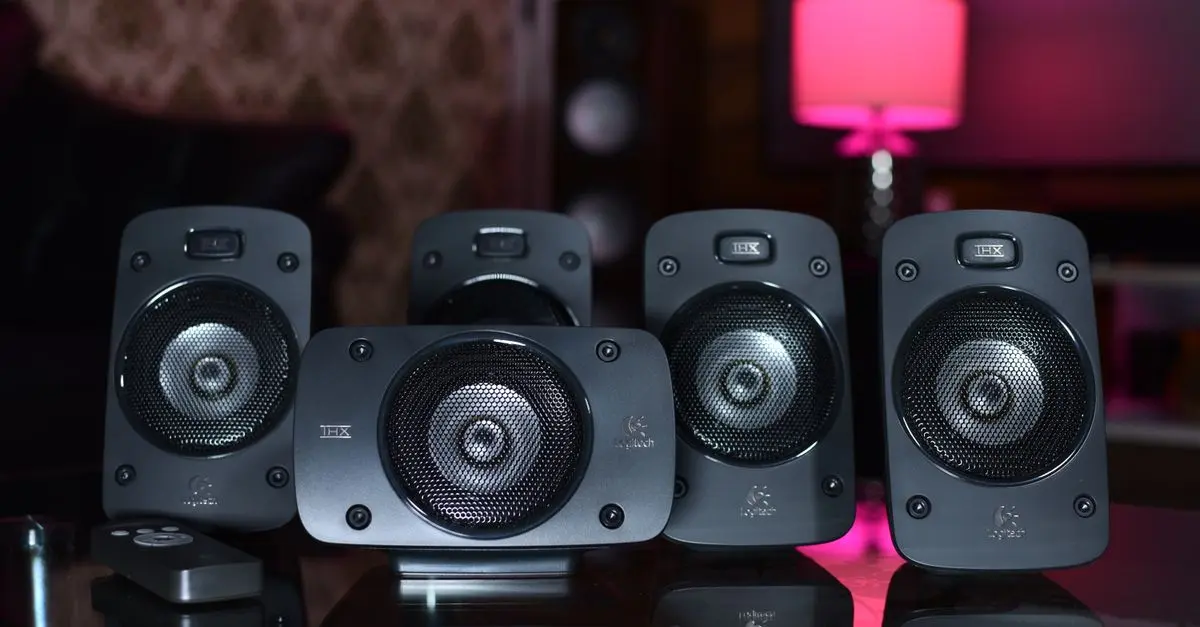
- Speaker Configuration: Look for systems with various designs, such as 5.1.2 or 7.1.4 (indicating how many speakers are present, including overhead speakers). More upward-firing speakers usually yield a more immersive experience.
- Connectivity: Ensure compatibility with your existing devices. Most systems should offer HDMI ARC, optical, and even wireless options.
- User Reviews and Testing: Don't overlook user feedback. Visiting stores to demo sound systems will provide firsthand experience.
Comparative Analysis of Dolby Atmos Sound Systems
To better understand the various Dolby Atmos systems available in the market, here’s a comparative analysis of three popular brands:
| Feature | Brand A | Brand B | Brand C | Verdict |
|---|---|---|---|---|
| Price | $799 | $1200 | $1500 | Brand A is budget-friendly |
| Speaker Configuration | 5.1.2 | 7.1.4 | 5.1.4 | Brand B offers more speakers |
| Connectivity Options | HDMI, Optical | Wireless, HDMI ARC | HDMI, Optical | Brand B has advanced options |
| User Ratings | 4.5/5 | 4.8/5 | 4.3/5 | Brand B is top-rated |
Market Insights and Trends for 2026
As of 2026, the Dolby Atmos market has witnessed significant growth, fueled by an increase in home entertainment investments and streaming service providers integrating Atmos technology. According to recent statistics from Statista, the global market for consumer audio equipment projected to exceed $20 billion by 2026, showcasing the importance of high-fidelity audio systems.
Moreover, industry experts believe that advancements in wireless technologies will continue making Dolby Atmos more accessible. Systems are now being designed to minimize wiring, enhancing both aesthetics and convenience while maintaining audio quality.
In addition to hardware development, there’s a noteworthy increase in tailored content, with platforms like Netflix and Apple TV+ prominently featuring Dolby Atmos films and series, offering consumers a broader range of immersive audio options. I’ve noticed that streaming services increasingly promote Atmos content, which is urging users to upgrade their systems for a complete experience.
FAQs about Dolby Atmos Sound Systems
Q: What do I need to use Dolby Atmos?
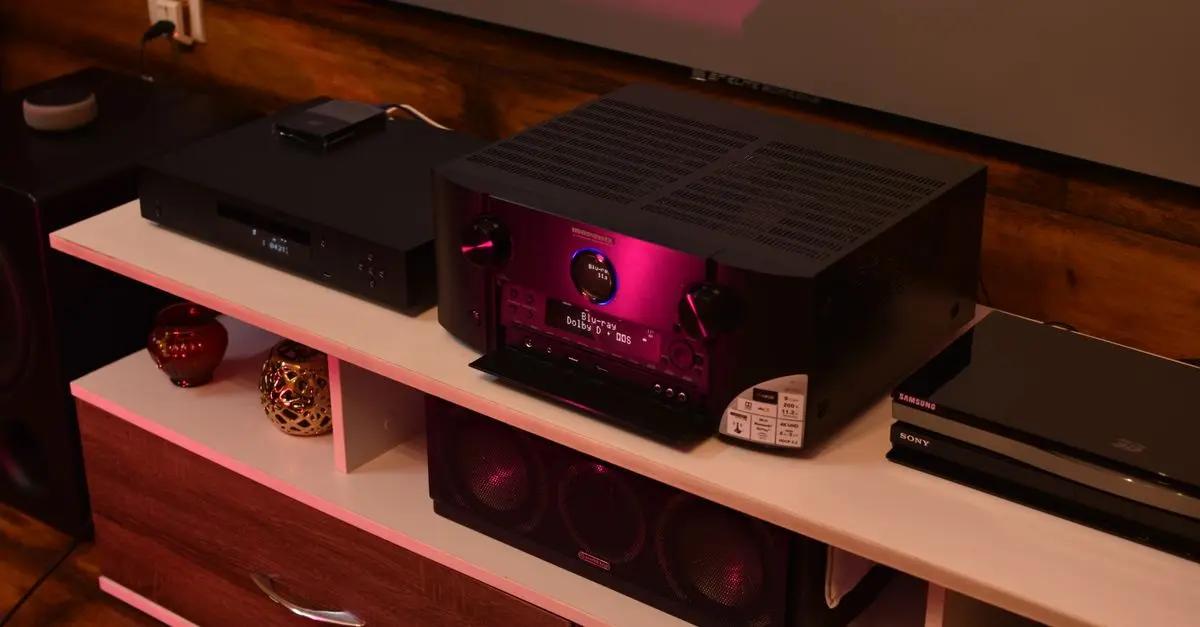
A: Primarily, you'll need a compatible sound system, a source (like a Blu-ray player or streaming device), and content that supports Dolby Atmos.
Q: Can I add Dolby Atmos speakers to my existing system?
A: Yes! You can enhance your current setup by integrating compatible Dolby Atmos speakers or soundbars.
Q: What is the ideal speaker configuration for Dolby Atmos?
A: A 5.1.2 or higher configuration is generally recommended for an immersive experience, with overhead or upward-firing speakers.
Q: Do I need a specific TV for Dolby Atmos?
A: While it's not necessary to have a specific TV, having a compatible display with HDMI ARC can provide the best experience.
Glossary
| Term | Definition |
|---|---|
| Dolby Atmos | An audio technology that creates an immersive, three-dimensional sound field. |
| Object-based audio | A sound mixing technique that allows for sound to be placed in a three-dimensional space. |
| Upward-firing speakers | Speakers designed to bounce sound off the ceiling to create overhead audio effects. |
Checklist before Purchase
- [ ] Measure your room dimensions
- [ ] Set a budget for the system
- [ ] Review different configurations
- [ ] Check compatibility with your devices
- [ ] Read customer reviews and testimonials
- [ ] Test various systems in-person if possible
📺 For further exploration: Discover the latest trends in Dolby Atmos sound technology and its advantages by searching YouTube for:
best Dolby Atmos sound systems 2026 review
🧠 Quick Quiz: What is the primary feature of Dolby Atmos?
- A) Surround sound depth
- B) Object-based audio
- C) Stereo channels
Answer: B — Object-based audio is what sets Dolby Atmos apart from traditional systems.