Table of Contents (12 sections)
Creating a high-fidelity (HiFi) audio setup doesn’t have to drain your wallet. In fact, with the right approach and knowledge, you can build a remarkable system that delivers quality sound while sticking to a budget. This guide will walk you through the essential steps to achieve an impressive audio setup without the high price tag. Whether you're a novice audiophile or looking to upgrade your current equipment, these tips are designed to help you make informed decisions.
Step 1: Understanding HiFi Basics
Building an audio system begins with understanding what high fidelity truly means. The term HiFi refers to audio reproduction that is very faithful to the original sound. Unlike standard audio setups, a HiFi system aims to minimize sound distortion and provide a rich, immersive audio experience. According to a study by Les Numériques, the right configuration and components can enhance listening experiences significantly, giving listeners a greater appreciation for music, movies, and games. Understanding the fundamentals, such as frequency response, soundstage, and clarity, is crucial when selecting your equipment. Start by researching different sound frequencies and how they affect audio quality so you can identify what matters most to you.
Step 2: Setting Your Budget
Before diving into equipment purchases, it’s crucial to set a clear budget. Determine how much you are willing to invest in your HiFi audio setup. A commonly recommended budget for a decent entry-level configuration starts around $500 to $1,500 but can vary widely based on personal preferences and equipment choices. Allocate funds not only for speakers and amplifiers but also for accessories like cables, power strips, and isolation pads that can impact sound quality. Always remember, spending a bit more on essential components can often enhance the overall listening experience, so weigh your options carefully.
Step 3: Choosing Your Components
When it comes to building your HiFi audio setup, choosing the right components is crucial. The three main parts of your setup are:
- Source - This can be a turntable, digital streaming device, or CD player.
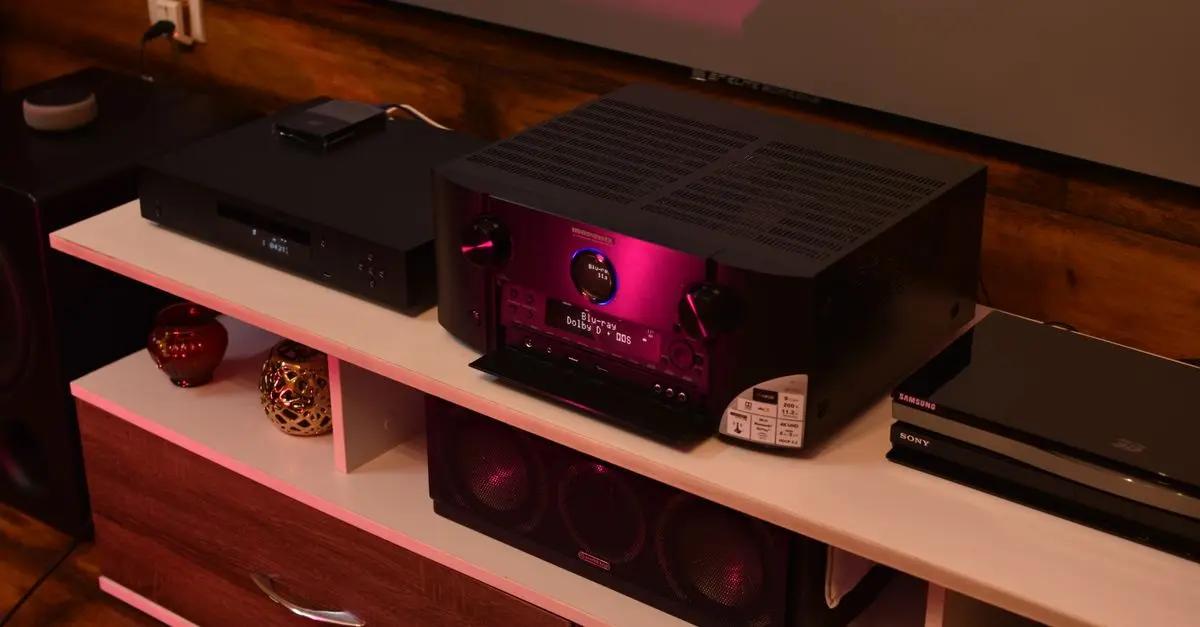
- Amplifier - This helps to drive your speakers. Research different types, such as integrated or separate amplifiers.
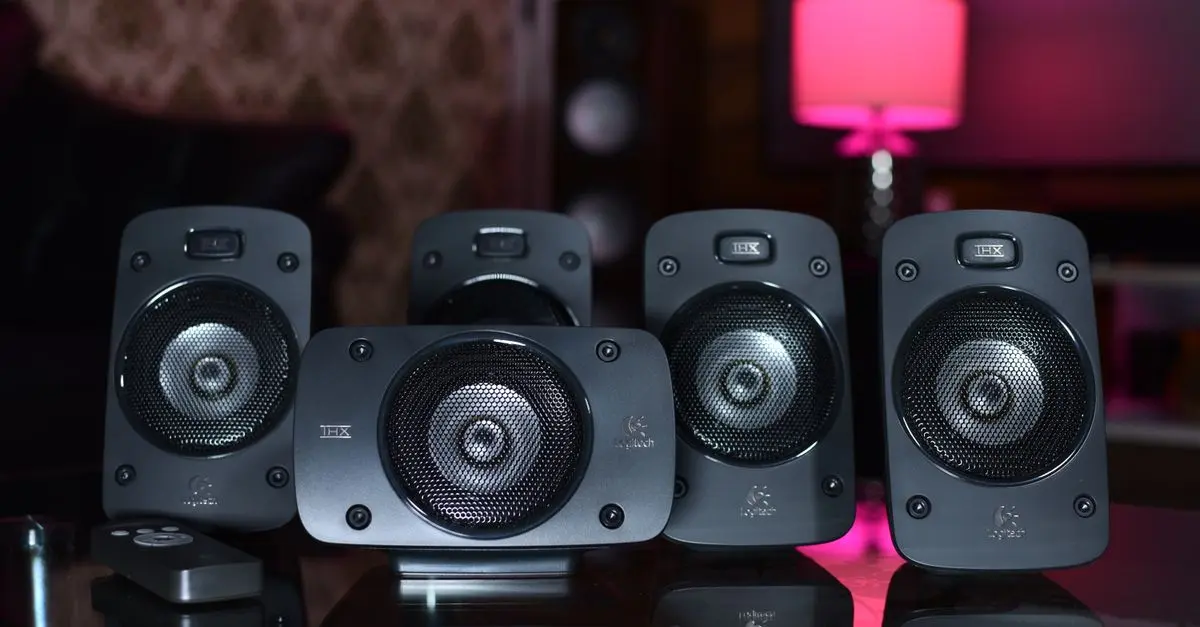
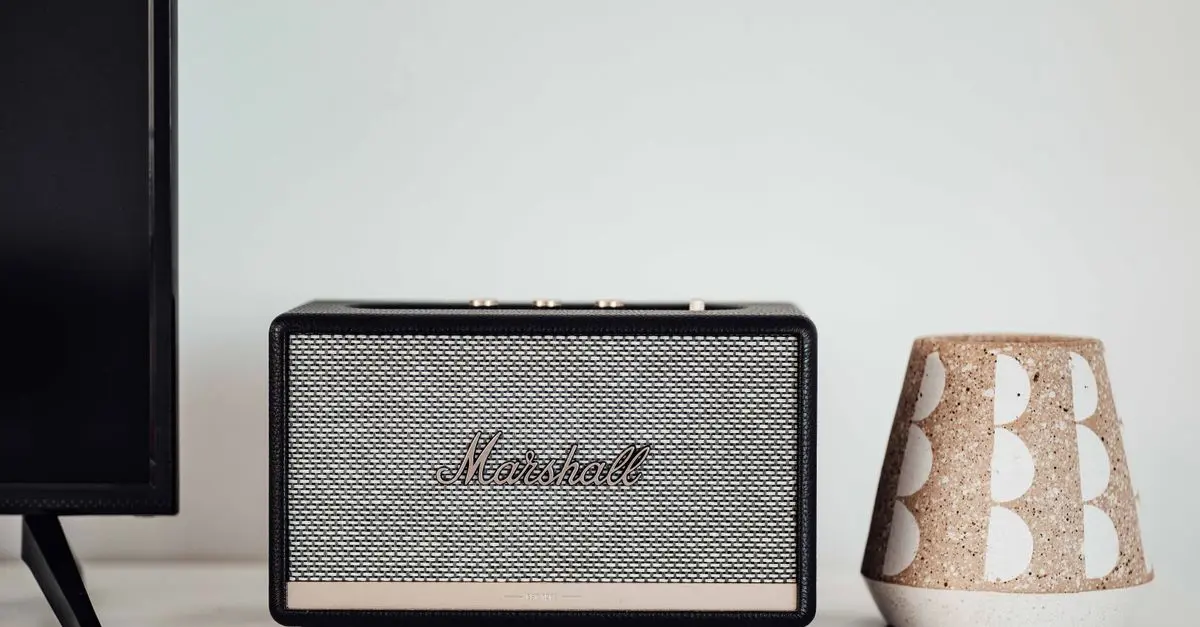
- Speakers - There are many types, including bookshelf, floor-standing, and portable speakers. Consider your room size and layout when selecting speakers.
The key is to find a balance among these elements. For instance, pairing a high-quality amplifier with decent but mid-range speakers can sometimes yield better results than investing heavily in high-end speakers without adequate amplification. Evaluate different brands and read user reviews to make informed decisions.
| Component | Budget Option | Mid-Range Option | High-End Option |
|---|---|---|---|
| Source | Basic Turntable | Network Streamer | Premium Disc Player |
| Amplifier | Integrated Amp ($200-$400) | Modern AV Receiver | HiFi Separate Amplifier |
| Speaker | Bookshelf Speakers ($300-$500) | Floor-Standing Speakers | High-End Studio Monitors |
| Verdict | Good for entry-level setups | Balanced quality and performance | Superior quality but higher prices |
Step 5: Connecting Your Gear
Properly connecting your audio components is vital for optimal sound quality. Use high-quality cables that are suited for your setup—opt for well-shielded cables to minimize interference. When connecting devices, ensure you maintain a consistent connection route and avoid daisy chaining, which can lead to signal loss. Take note of the input and output settings for the amplifier and speakers; correct settings can enhance audio performance. Consider investing in quality connectors, as these small components can greatly affect overall clarity.
Step 6: Room Acoustics and Sound Optimization
Your listening environment plays a key role in audio experience. Pay attention to room acoustics; for instance, hard surfaces can lead to echo and distortion. Using carpets, curtains, and textured furniture can help dampen sound waves and improve acoustics. According to the Acoustical Society of America, room treatment can enhance clarity and soundstage dramatically. Additionally, small investment in acoustic panels can further improve your listening space. Regularly test your system with various music genres to identify areas that may need adjustment.
Step 7: Ongoing Maintenance
Once your HiFi audio setup is complete, it’s essential to keep everything well-maintained. Regularly clean your equipment to ensure optimal performance and longevity. Dust can accumulate on speakers, connections, and electronic parts, affecting sound quality. Periodically check all connections to ensure there is no wear and tear. Additionally, consider updating your components as technology advances or your listening preferences evolve. A good starting point could be to replace cables or upgrade the source device as your budget allows.
💡 Expert Opinion: Regular maintenance can extend the life of your audio equipment significantly, providing enhanced performance and more enjoyable listening sessions.
Checklist before Purchase
- [ ] Define your budget clearly
- [ ] Research HiFi basics thoroughly
- [ ] Choose suitable components based on your needs
- [ ] Test speaker placements before finalizing
- [ ] Use quality cables for connections
- [ ] Optimize room acoustics for best sound
- [ ] Perform regular maintenance on equipment
Glossary
| Term | Definition |
|---|---|
| HiFi Audio | High fidelity audio that provides high-quality sound reproduction. |
| Amplifier | A device that increases the power of a signal to drive speakers. |
| Acoustics | The science of sound and its transmission and effects in an environment. |
📺 Resource Video
For further insights: Building an Affordable HiFi Audio Setup, a comprehensive analysis of affordable options and setup tips. Search on YouTube: how to build a HiFi audio system on a budget.
🧠 Quick Quiz: What component is essential for driving speakers?
- A) Source
- B) Amplifier
- C) Cables
Answer: B — An amplifier is necessary to drive the speakers effectively.