Table of Contents (15 sections)
Building a HiFi system can seem overwhelming at first, but with proper planning and understanding of the components involved, it can be a rewarding experience. This guide provides a detailed step-by-step process to help you create a high-fidelity audio system that meets your needs. Whether you're an audiophile or just someone who appreciates good sound, this guide will lead you through the essentials of assembling your very own HiFi system.
1. Understanding HiFi Audio Basics
Before diving into the technical aspects, it’s essential to understand what HiFi audio is and why it matters. HiFi stands for high fidelity, which denotes a high-quality reproduction of sound that closely resembles the original audio source. The purpose of building a HiFi system is to enjoy music and audio with clarity and precision, often surpassing standard audio systems.
The first step in your HiFi journey is education. Familiarize yourself with fundamental audio terms such as frequency response, distortion, and dynamic range. Knowing how these elements affect sound quality will guide your decisions when selecting components.
Moreover, the importance of an acoustic environment cannot be overstated. Factors like room size, furniture layout, and materials used can drastically alter audio performance. Consider these aspects when planning your HiFi setup. According to The Audio Engineering Society, even modest improvements in environment design can elevate listening experiences significantly.
2. Components Overview: What Do You Need?
Building a HiFi system requires multiple components, each playing a crucial role in sound reproduction. Here’s a brief overview of the core components:
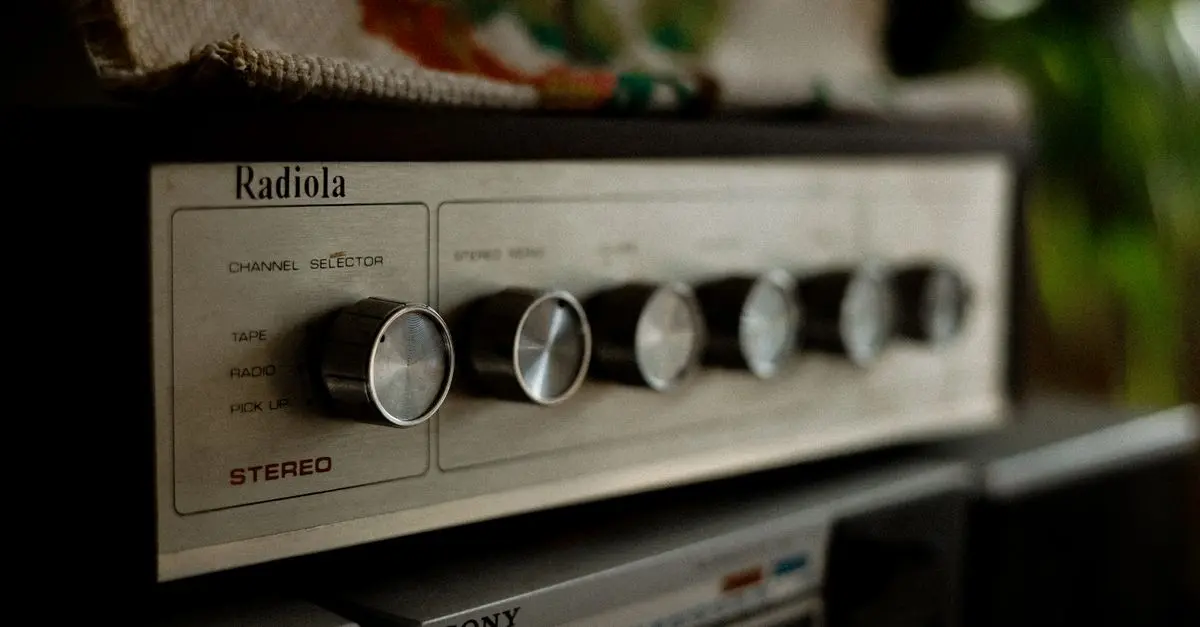
- Source: This could be a CD player, digital audio player, or even a vinyl turntable.
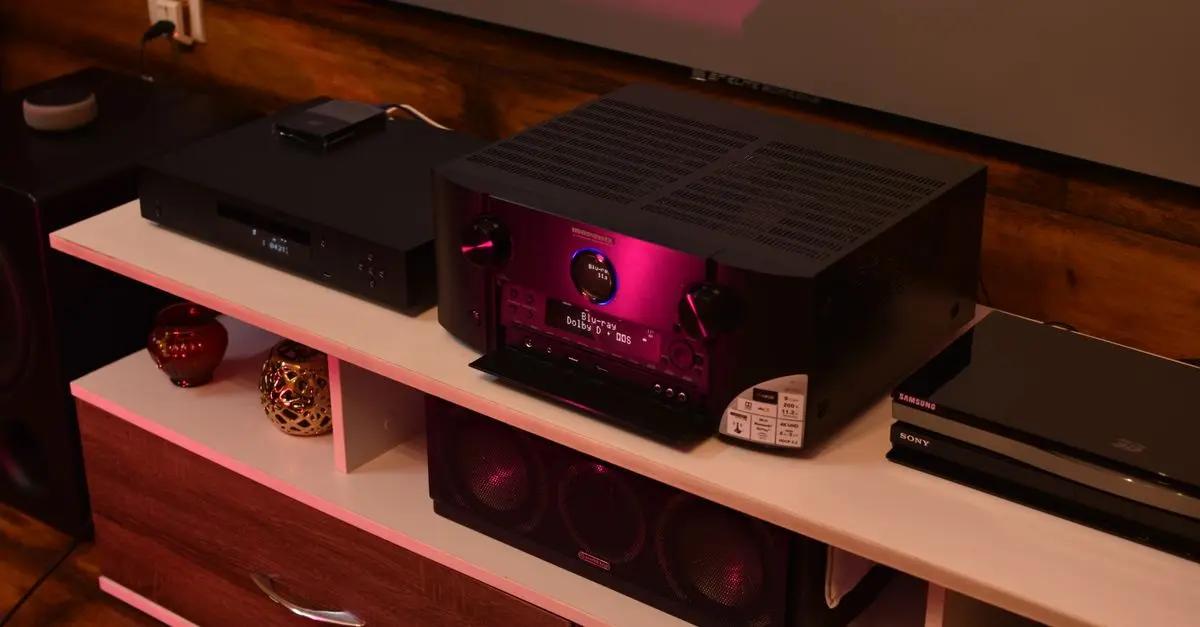
- Amplifier: Amplifies the audio signal to a level suitable for speakers. Look for options that offer low distortion and adequate power output.
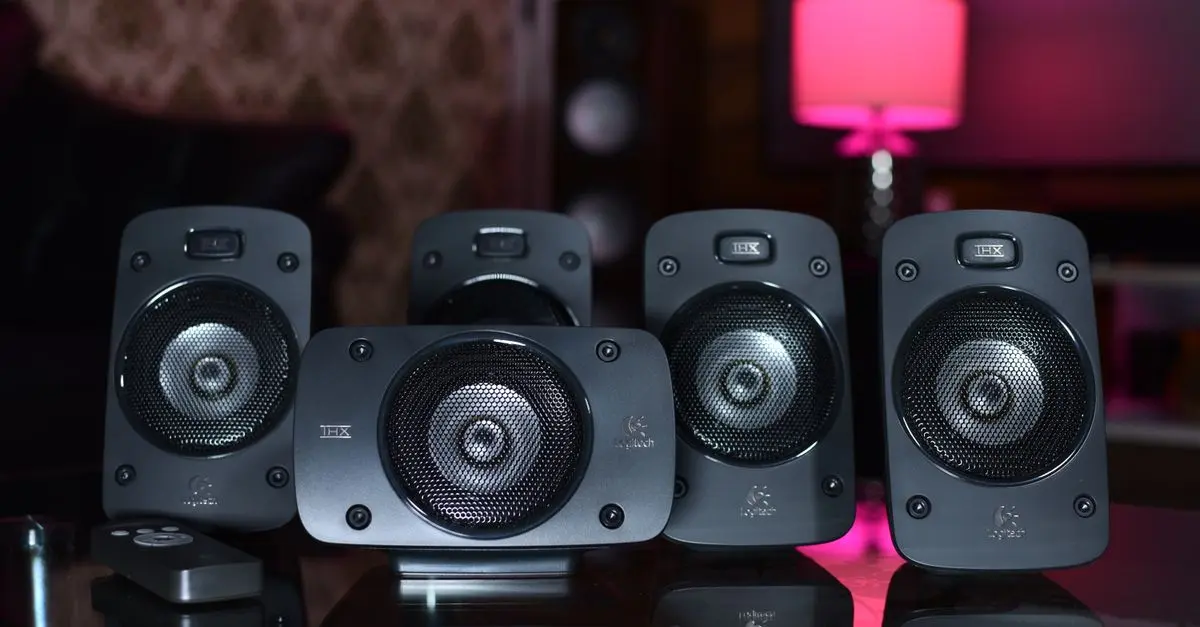
- Speakers: The final output of the audio system, with options varying from bookshelf speakers to floor-standing models.
- Cables: Interconnect cables and speaker wire can influence sound quality, so invest in good quality cables to minimize signal loss.
Understanding these components will help you make informed decisions. For example, when selecting speakers, consider their sensitivity rating. Higher sensitivity means louder sound at a lower power input, which can save on amplification costs.
3. Step-by-Step Build Process
Step 1: Set a Budget
Setting a realistic budget is essential to avoid overspending. Consider the components listed above and allocate funds accordingly. Entry-level systems may start around $500, while high-end setups can easily exceed $5,000.
Step 2: Choose Your Components
Make informed choices based on your listening preferences and environment. For instance, if you prefer deep bass, you might choose larger floor-standing speakers. It's also helpful to read reviews and consult dedicated forums where audiophiles share experiences with different brands and products.
Step 3: Purchase and Set Up
Once your components are chosen, it’s time to purchase them. This may require some patience as you may need to wait for sales or refurbished options to fit your budget. When setting up, keep distances and angles in mind; for optimal sound staging and imaging, speakers should be positioned at ear level and slightly angled towards the listener.
Step 4: Calibration
After everything is set, it's important to calibrate your system. Many modern amplifiers come with automatic calibration features, or you can adjust settings manually based on your room acoustics. Spend time optimizing the position and settings to achieve the best sound.
Step 5: Enjoy and Upgrade
Once your system is set up and calibrated, take the time to enjoy your music! Listen for a while and see what you might like to enhance in the future. Gradually upgrading components can lead to substantial improvements without needing a complete overhaul. For instance, replacing speakers or cables can provide noticeable enhancements without changing the entire setup.
📺 For further exploration:
[How to Build a HiFi Audio System: Step-by-Step Guide], an in-depth look at component selection and sound optimization. Search on YouTube: 'how to assemble HiFi system 2026'.
Component Comparison Table
| Component Type | Budget Option | Mid-Range Option | High-End Option | Verdict |
|---|---|---|---|---|
| Source | Streaming DAC | CD Player | High-Res Player | Choose based on source preference |
| Amplifier | Integrated Amp | Stereo Receiver | High-End Amplifier | Match with speakers for balance |
| Speakers | Bookshelf | Floor-standing | High-end Tower Speakers | Choose based on space and budget |
When building a HiFi system, avoid these common pitfalls:
- Skipping research: Informed decisions lead to better sound. Research components and read reviews.
- Poor room setup: Take the time to position your speakers correctly, as the room significantly influences audio quality.
- Overpaying for cables: While quality matters, it's easy to overspend. Many budget cables perform excellently.
Checklist before Purchase
- [ ] Set a realistic budget
- [ ] Research components thoroughly
- [ ] Plan speaker and amplifier compatibility
- [ ] Consider room configuration
- [ ] Test before you buy when possible
Glossary
| Term | Definition |
|---|---|
| Frequency Response | The range of frequencies an audio system can reproduce. |
| Dynamic Range | The range between the quietest and loudest sounds that can be produced. |
| Source Component | The device that plays or transmits audio signals. |
🧠 Quick Quiz:
> What is one of the most important factors when setting up speakers?
> - A) Color of the speakers
> - B) Positioning and angles
> - C) Brand of the speakers
> Answer: B — Proper positioning maximizes sound quality.
Building your HiFi system can be a gratifying experience. As you curate your setup, remember to have fun and enjoy the music. If you have any questions or need further assistance, feel free to reach out!