Table of Contents (13 sections)
Choosing the best HiFi audio equipment can seem daunting, especially with the vast array of options on the market. High Fidelity audio equipment stands as a benchmark for sound quality, appealing to both audiophiles and casual listeners alike. This guide is designed to help you navigate through the essential factors to consider, ensuring you select audio equipment that meets your personal needs and preferences.
1. Understanding HiFi Audio Equipment
HiFi, short for high fidelity, refers to the reproduction of sound with minimal distortion, allowing listeners to experience music as intended by the artist. Modern HiFi systems can include components like speakers, amplifiers, headphones, and digital-to-analog converters (DACs). Each part plays a crucial role in delivering superior sound quality. According to UFC-Que Choisir, sound fidelity is essential not just for audiophiles but for anyone who enjoys music, movie soundtracks, or gaming audio. Recognizing the different components will form the foundation of your HiFi experience.
2. Determining Your Needs
Before diving into product selections, identify your specific needs. Ask yourself:
- What type of audio do you primarily listen to? (music, podcasts, movies)
- Do you need a portable solution or are you building a home system?
- What is your budget?
Understanding your personal requirements will streamline the choosing process. For instance, a portable headphone set might be perfect for on-the-go users, while a robust home theater system may cater better to movie enthusiasts. Remember, your listening habits will heavily influence the equipment's suitability.


3. Key Components of a HiFi System
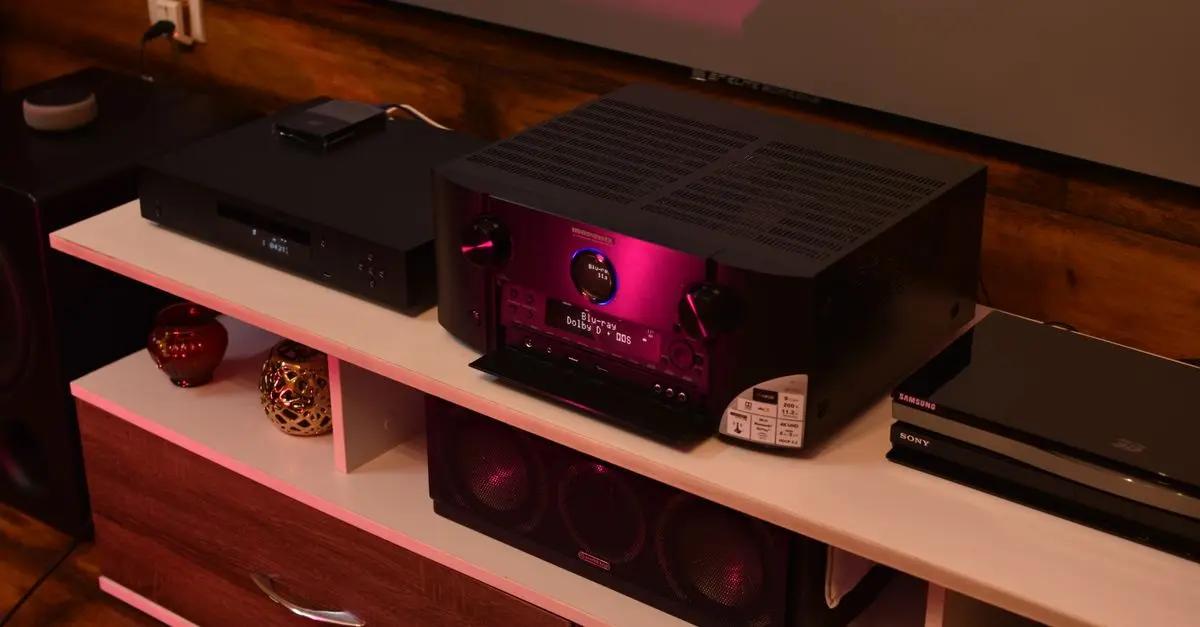
A typical HiFi audio system consists of several key components, each contributing to sound quality:
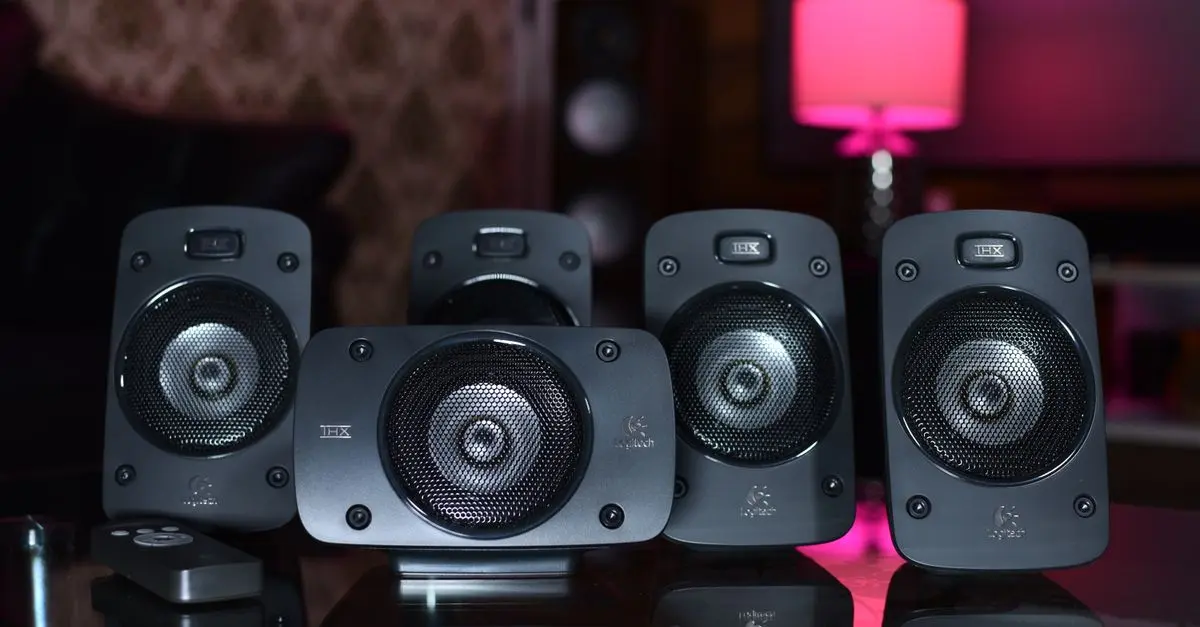
- Speakers: Determine whether you prefer floor-standing or bookshelf speakers based on your space and sound preferences. Generally, larger speakers can produce deeper bass but require more room.
- Amplifiers: Solid-state amplifiers provide clear sound at high volumes, while tube amplifiers add warmth and character to music. Each has distinct audio profiles beneficial for particular genres.
- DAC: A quality DAC converts digital audio signals into analog, crucial for streaming services.
| Component | Description | Pros | Cons |
|---|---|---|---|
| Speakers | Floor-standing vs. bookshelf | Great sound range | Space-consuming |
| Amplifiers | Solid-state vs. tube | Clear sound | Heat production (tube) |
| DAC | Digital audio converter | Essential for streaming | May not be necessary for all |
4. Setting a Budget
Your budget is one of the most significant factors in choosing HiFi audio equipment. In 2026, entry-level setups can be acquired at USB prices, while high-end systems can cost thousands. A solid recommendation is to first allocate a budget for each component, recognizing that sometimes, spending a little more on an amplifier can vastly improve the overall sound. According to Les Numériques, an effective budget should allow for approximately 50% of your total cost to go towards speakers, as they have the most significant impact on sound quality.
To ensure that you don't overspend, it's helpful to follow these tips:
- List your top equipment priorities, and focus your budget on them.
- Research and track sales or second-hand options that can provide quality at reduced costs.
- Don’t forget to consider accessories, like quality cables, which can also enhance sound quality!
5. Researching and Comparing Products
Once you've identified your needs and budget, the next step is thorough research. Online reviews, audiophile forums, and comparison sites like 60 Millions de Consommateurs offer invaluable insights into product performance and reliability. Here are some effective strategies:
- Comparative Reviews: Look for side-by-side comparisons of two or more products to see which offers better features and sound quality.
- User Feedback: Listen to the experiences of other users. Pay attention to comments about long-term use and sound signature. Common issues, often noted by users, can help you avoid products with underlying problems.
- Professional Reviews: Trustworthy sites often provide in-depth testing. Following these reviews can lead to well-informed decisions.
6. Listening Tests
Nothing compares to direct experience; thus, if possible, attend local audio fairs or specialized retailers offering demonstration facilities. Listening tests will let you compare different equipment in action. Keep an ear out for:
- Sound Clarity: Does the audio sound crisp and distinct without distortion?
- Bass Response: Is the bass rich and full, or does it muddle the mids?
- Balance: Are all frequencies well represented?
Be sure to bring your favorite tracks to assess how equipment performs with familiar sounds. A crucial mistake is relying solely on specifications without actual listening.

Soozier Adjustable Steel Seated Calf Raise Exercise Strength Training Gym Equipment, Yellow
aosom.com
7. Final Tips and Tricks
When all aspects of choosing your HiFi audio equipment are considered, here are a few final pointers:
- Avoid Impulse Buys: Take your time. Quality equipment often involves a significant investment.
- Consider Future Upgrades: Design your system with upgrades in mind. Modular systems allow for expansions with changing technologies or musical tastes over time.
- Seek Professional Guidance: Utilize experts when in doubt. Many retailers have specialists who can help tailor a selection to your specific preferences.
Checklist before your Purchase
- [ ] Identify audio preferences and space requirements
- [ ] Set a realistic budget
- [ ] Research and compare products
- [ ] Conduct listening tests
- [ ] Recognize potential upgrade paths
Glossary
| Term | Definition |
|---|
| HiFi | Short for High Fidelity; audio equipment designed to produce high-quality sound with minimal distortion.
| DAC | Digital-to-Analog Converter, a device that converts digital audio signals to analog form.
| Amplifier | An electronic device that increases the amplitude of audio signals, crucial for driving speakers effectively.
💡 Expert Advice: Always consider the synergy between components. For example, pairing high-end speakers with a low-cost amplifier may not deliver the desired quality.
📺 Resource Video
To dive deeper, check out this video titled "Choosing the Right HiFi Audio Equipment", where experts discuss sound options and setups. Search on YouTube using: "best HiFi audio equipment guide 2026".
Conclusion
Choosing the best HiFi audio equipment doesn't have to be overwhelming. By understanding components, assessing your needs, setting a budget, and conducting hands-on tests, you can find the system that will provide excellent sound tailored to your listening habits. Immerse yourself in the quality sound experience that HiFi offers!
Recommended Products
- Meze Audio - 99 Neo Headphones: Highly recommended for those seeking clarity in their sound experience.
- iFi Audio - Zen DAC V3 DAC/Headphone Amp: Perfect for audiophiles looking to enhance their system.
- Meze Audio - 105 AER Open Back Headphones: Ideal for immersive sound during long listening sessions.
Estimate your reading time: 6 minutes.
📺 Pour aller plus loin : The Basics | Getting Started with Hi-Fi Systems | Richer Sounds sur YouTube
Recommended products
Selected by our experts