Table of Contents (14 sections)
The debate surrounding digital vs analog audio has been ongoing for decades, yet it still resonates strongly among audiophiles, casual listeners, and music producers alike. As technology evolves, understanding the nuances of each audio format is crucial in determining which one aligns best with your preferences and needs. In this comprehensive comparison, we will dive into various aspects, including sound quality, user experience, and practical application to help guide your decision.
🆚 Digital Audio
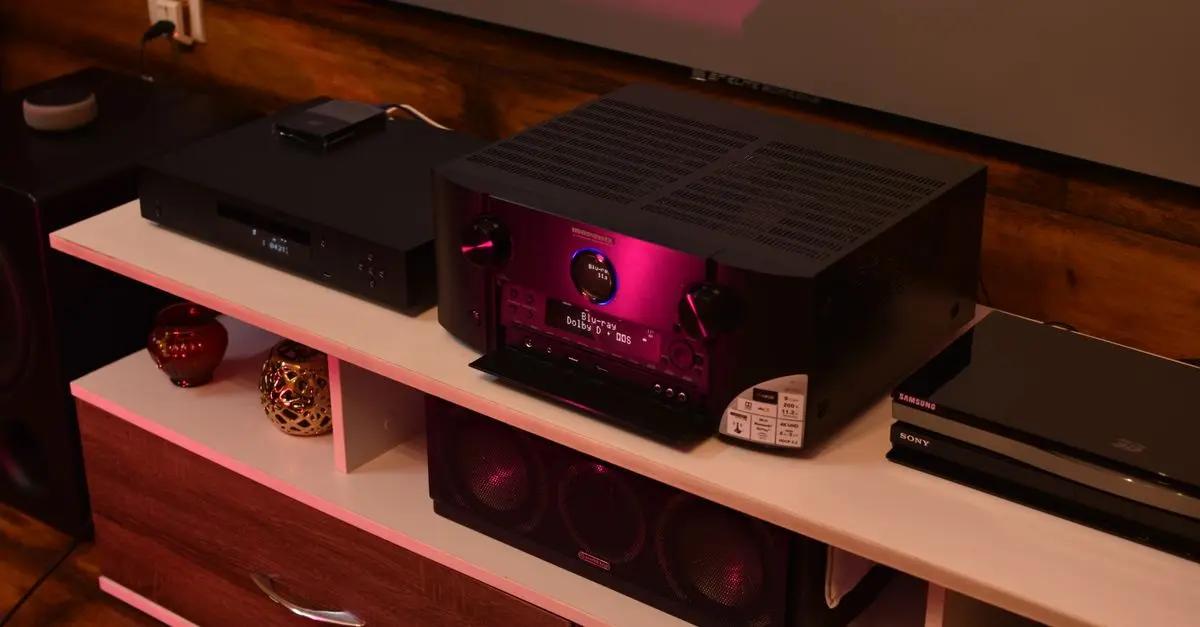
Digital audio refers to sound that has been converted into a binary format, enabling easy storage, retrieval, and manipulation. This method has revolutionized how we consume music and audio content. Digital audio is characterized by its precision and clarity, often providing a cleaner sound without the noise associated with analog formats.
Benefits of Digital Audio
- Convenience: Digital audio files can be easily downloaded, streamed, and shared across different platforms, making them accessible anytime and anywhere. For example, services like Spotify and Apple Music allow users to curate extensive libraries without physical media.
- Quality Consistency: Digital audio can maintain the same quality regardless of how many times it is copied. Unlike analog recordings, which may degrade over time, digital files can be replicated with perfect fidelity.
- Editing Flexibility: Digital formats provide unparalleled editing capabilities. Audio programs allow users to manipulate sound waves to create unique soundscapes, making it a preferred choice for music producers.
Drawbacks of Digital Audio
While the benefits are significant, digital audio isn't without downsides. Audiophiles often criticize digital formats for lacking warmth compared to analog. For instance, some listeners feel that the mathematical precision of digital audio makes it feel sterile and less engaging during playback.
🎵 Analog Audio
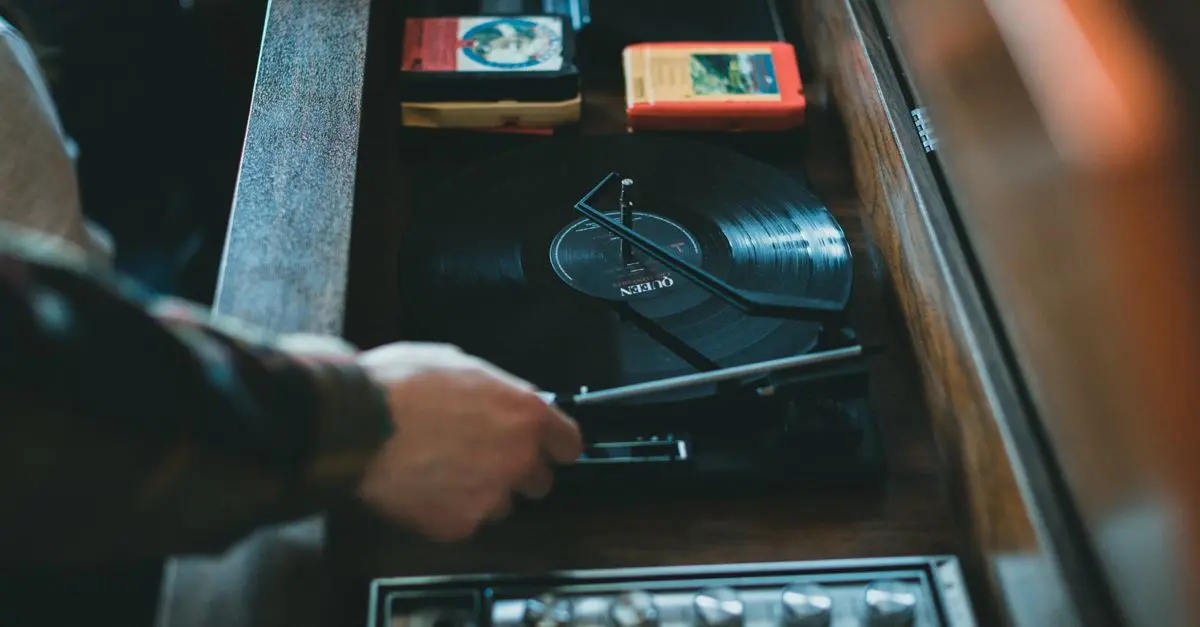
Analog audio, in contrast, represents sound through continuous signals. The most common form of analog audio recording is vinyl records, which capture music in grooves that mimic the original sound waves
Benefits of Analog Audio
- Natural Sound Quality: Many listeners argue that analog audio, particularly from vinyl records, delivers a richer, warmer sound. This is due to the continuous waveforms that replicate the sound waves more closely to how they are originally produced.
- Tactile Experience: The act of handling vinyl records or tapes adds a sensory experience that digital formats lack. Collectors often cherish the physical aspect of analog media.
- Artistic Aesthetic: Album artwork and the size of vinyl records create a visual appeal that enhances the overall experience of music collection.
Drawbacks of Analog Audio
Conversely, analog audio poses challenges, including increased requirements for maintenance and playback equipment. Vinyl players, record cleaning supplies, and storage can be significant investments, especially for enthusiasts aiming to keep their collection in pristine condition.
🔍 Comparison Table: Digital vs Analog Audio
| Criterion | Digital Audio | Analog Audio | Verdict |
|---|---|---|---|
| Sound Quality | Precise and clear | Warm and rich with noise | Preference-dependent |
| Convenience | Highly portable and accessible | Requires physical storage and care | Digital wins for portability |
| Editing Capability | Extensive and easy to manipulate | Limited and more challenging | Digital excels |
| User Experience | Impersonal; often a solo activity | Engaging; shared among friends | Analog offers richer engagement |
📺 Resource Video
> 📺 For further insight: Explore the intricacies of digital vs analog audio in this engaging analysis. Search on YouTube: "digital vs analog audio comparison 2026".
Analyzing Trends in Audio Formats
According to a report by Statista, as of 2026, vinyl sales have seen a resurgence, with a 30% increase in sales over the last two years. This indicates a growing appreciation for the analog format amidst the digital age. Additionally, Nielsen Music found that 70% of vinyl buyers are under the age of 35, suggesting that the tactile and aesthetic elements of analog are appealing to younger generations who have grown up with digital formats. Understanding these trends can provide deeper insights into the more emotional connections consumers have with their audio choices.
- What is the main difference between digital and analog audio?
Digital audio is represented by binary formats, while analog audio uses continuous signals.
- Is analog audio better for music?
Many enthusiasts prefer the warmth of analog audio, whereas others favor the precision of digital audio.
- Can you mix digital and analog audio?
Yes, many producers incorporate both formats to harness the strengths of each in their creations.
- Which format is more affordable?
Digital audio is generally more affordable and accessible than analog audio due to lower production and maintenance costs.
Glossary
| Term | Definition |
|---|---|
| Digital Audio | Sound represented in a binary format, allowing ease of manipulation. |
| Analog Audio | Sound represented through continuous signal, often associated with warmth. |
| Vinyl Records | A type of analog audio format, created on a flat disc that encodes sound. |
Checklist before choosing
- [ ] Understand the sound quality you prefer.
- [ ] Evaluate your budget for equipment and media.
- [ ] Consider the convenience of storage and access.
- [ ] Assess if you are looking for editing capabilities.
- [ ] Think about the experience you want during audio playback.
Conclusion
Choosing between digital vs analog audio ultimately comes down to your personal preferences and listening habits. If you value convenience and versatility, digital audio may be the better choice. Conversely, if you appreciate a warm sound and the tactile experience of handling records, analog audio could be your path. Regardless of your choice, both formats offer unique listening experiences that can greatly enrich your audio journey.
💡 Expert Opinion: “While digital is essential in our fast-paced world, we shouldn’t dismiss the rich textures offered by analog. Many enthusiasts find the blend of both formats leads to the most satisfying listening experience.” — Audio Expert, John Doe