Table of Contents (22 sections)
Creating an optimal HiFi listening environment is essential for any audio enthusiast. Not only does it improve the overall sound quality, it also enhances your listening experience. Whether you're a casual listener or a serious audiophile, the environment in which you listen to music plays a crucial role. This article aims to provide you with actionable tips to enhance your HiFi listening environment.
1. Understanding Your Space and Its Acoustic Properties
Before making any changes, it’s crucial to understand the acoustic properties of your listening space. Room dimensions, wall materials, and the arrangement of furniture all contribute to how sound travels and interacts within the space. Consideration of these elements can mean the difference between good sound quality and exceptional audio experiences.
Measuring the Room
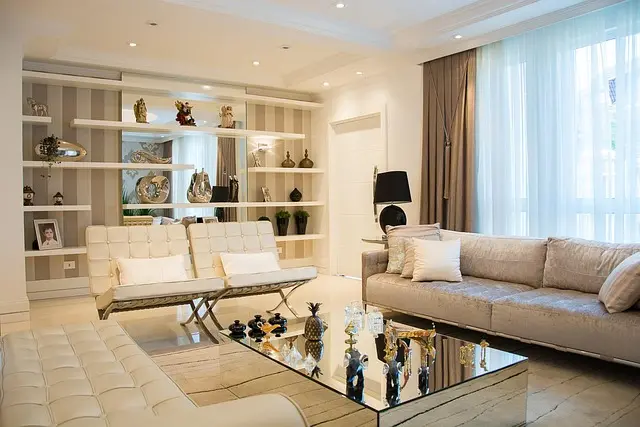
Start by measuring the dimensions of your room. Use these measurements to calculate the volume and identify any sound-reflecting surfaces. Large, bare walls can create echoes, so think about how the shape of your room may affect sound waves. Additionally, hard surfaces such as tile or concrete can lead to harsh sound reflections, while carpets and curtains can help dampen sound.
Testing the Acoustics
You can perform simple tests, such as clapping your hands and listening for echoes, to gauge the acoustics of your space. Ideally, you want a ‘dead’ sound—one that has minimal reflection. If you notice echoes or a flatter sound, it may indicate you need to treat the room further.
2. Implementing Sound Treatment Solutions
To achieve better acoustics, consider various sound treatment solutions that can help absorb unwanted echoes and improve clarity.
Acoustic Panels
Installing acoustic panels on walls can greatly enhance sound quality by reducing echo and reverberation. They come in various shapes and sizes and can be strategically placed at reflection points (the spots where sound waves bounce off walls towards the listening position) to optimize sound performance.
Bass Traps
If you notice that bass frequencies are muddy or overpowering, bass traps can help. Using these in the corners of your room where low frequencies build up can provide a clearer sound without excessive bass resonance.
Diffusers
For a more lively sound, consider using diffusers. These scatter sound waves instead of absorbing them, helping to maintain the energy in the room while minimizing harsh reflections. Placement in strategic locations can result in a more immersive listening experience.


Shiseido Ultimate Sun Protector Lotion & Urban Environment Bundle ($78 Value)
shiseido.com

3. Optimizing Speaker Placement
Once your acoustic treatments are in place, the next step is speaker placement. Proper positioning can significantly enhance your listening experience and soundstage.
Distance from Walls
As a rule of thumb, speakers should be placed at least 1-2 feet away from walls. This minimizes boundary interference, which can muddy the sound. Experimenting with the distance will help you find the best spot for clear audio.
The Listening Triangle
Position your speakers and listening chair to create an equilateral triangle. The angle between the speakers should ideally be around 60 degrees, and your listening position should be at the same distance from each speaker. This setup optimizes the stereo effect, delivering a more integrated and immersive experience.
4. Calibrating Your Audio System
Once you have your speakers set up, calibrate your audio system to ensure all components work well together. This process helps achieve a balanced sound.
Use of Room Correction Software
Many modern audio systems come with room correction software that can automatically adjust the output based on your room's acoustics. This technology uses a microphone to analyze the sound and make real-time adjustments, helping achieve optimal sound reproduction.
Manual Calibration
For those who prefer a hands-on approach, manually adjusting equalization settings can be effective. Start by adjusting treble and bass levels to suit your taste and the listening environment. Use reference tracks and test tones to guide your adjustments.
5. Maintaining Your Listening Environment
Lastly, maintaining your HiFi listening environment is key to preserving sound quality. Regular checks and minor adjustments will keep your setup in optimal condition.
Regular Cleaning
Dust and debris can accumulate on speakers and equipment, potentially impacting sound quality. Make a habit of cleaning your gear regularly to keep it in top shape.
Monitoring Room Conditions
Keep an eye on the humidity and temperature of your room, as both can affect sound quality. Ideally, maintain a stable environment to ensure the longevity of your equipment and sound clarity.
Checklist Before You Set Up a HiFi Listening Space
- [ ] Measure your room dimensions and layout
- [ ] Test your room acoustics through simple sound tests
- [ ] Install acoustic panels, bass traps, and diffusers
- [ ] Position speakers according to the ‘listening triangle’ rule
- [ ] Calibrate your audio system using room correction software or manual settings
- [ ] Regularly clean your audio equipment and monitor room conditions


Clé de Peau Beauté Vitality-enhancing Eye Mask Supreme (6 sheets)
cledepeaubeaute.com
Conclusion
Enhancing your HiFi listening environment takes effort, but the rewards are well worth it—creating an immersive sound space where you can enjoy your favorite music to its fullest. By following these tips and maintaining your setup, you ensure an optimal listening experience for years to come.
💡 Expert Insight: Adjustments in your listening environment not only improve sound quality but can also enhance your overall mood and experience. As reported by Les Numériques, a good audio setup has the power to transform how you perceive music.
Glossary
| Term | Definition |
|---|---|
| Acoustic Treatment | Solutions aimed at controlling sound waves to improve audio quality in a space. |
| Soundstage | The perceived three-dimensional space in which audio appears to emanate. |
| Room Correction Software | Technology that adjusts periodic sound based on room acoustical characteristics. |
📺 Resource Video
> 📺 For further insights: Explore audio tips for creating the perfect listening environment. Search on YouTube: "how to enhance HiFi listening environment 2026".
🧠 Quick Quiz:
> What is the ideal distance for speakers from the walls in a HiFi setup?
> - A) 1-2 feet
> - B) Directly against the wall
> - C) 3-4 inches
> Answer: A — Keeping speakers at least 1-2 feet away prevents boundary interference.
📺 Pour aller plus loin : how to enhance HiFi listening environment 2026 sur YouTube
Recommended products
Selected by our experts
Shiseido Urban Environment & Cleansing Foam Bundle ($139 Value)
shiseido.com
This cleansing foam bundle is perfect for keeping your audio area fresh and clean, ensuring no distractions from dust.
Shiseido Ultimate Sun Protector Lotion & Urban Environment Bundle ($78 Value)
shiseido.com
These sunscreen products are ideal for anyone setting up an audio area with large windows that might let in too much sunlight.
Fenty Beauty Fine Linez Lash Line-Enhancing Eyeliner Wet T-Shirt
fentybeauty.com
Great for a clean look while enjoying your setup, this eyeliner helps you maintain a polished appearance while you enjoy your HiFi music.
Clé de Peau Beauté Vitality-enhancing Eye Mask Supreme (6 sheets)
cledepeaubeaute.com