Table of Contents (9 sections)
What are HiFi Audio Electronics?
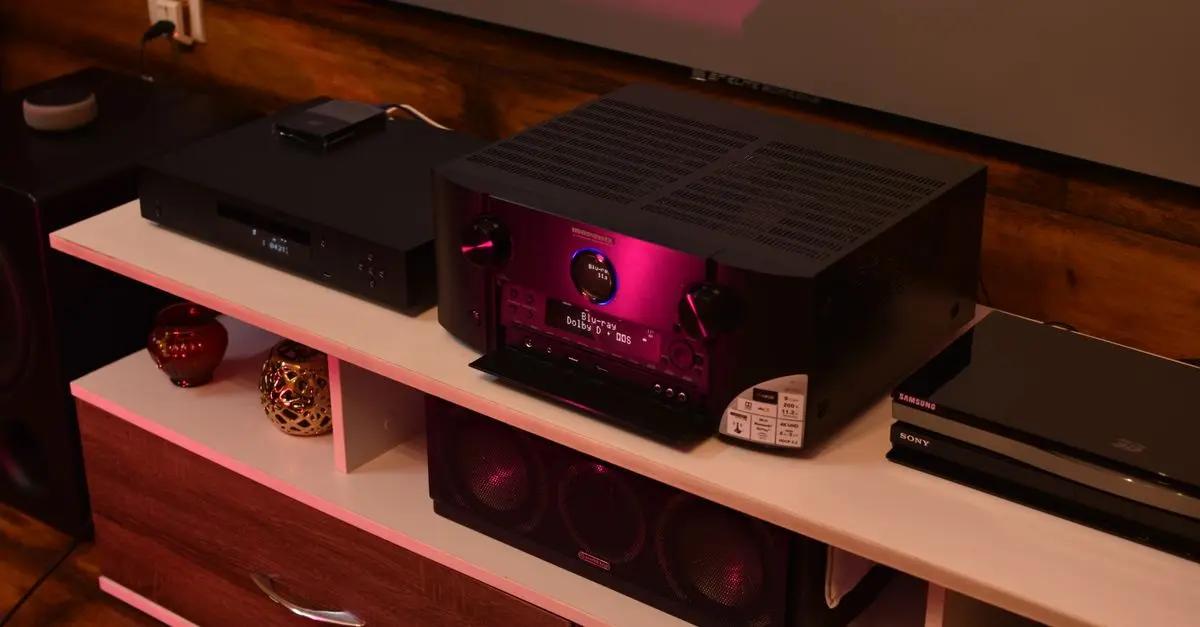
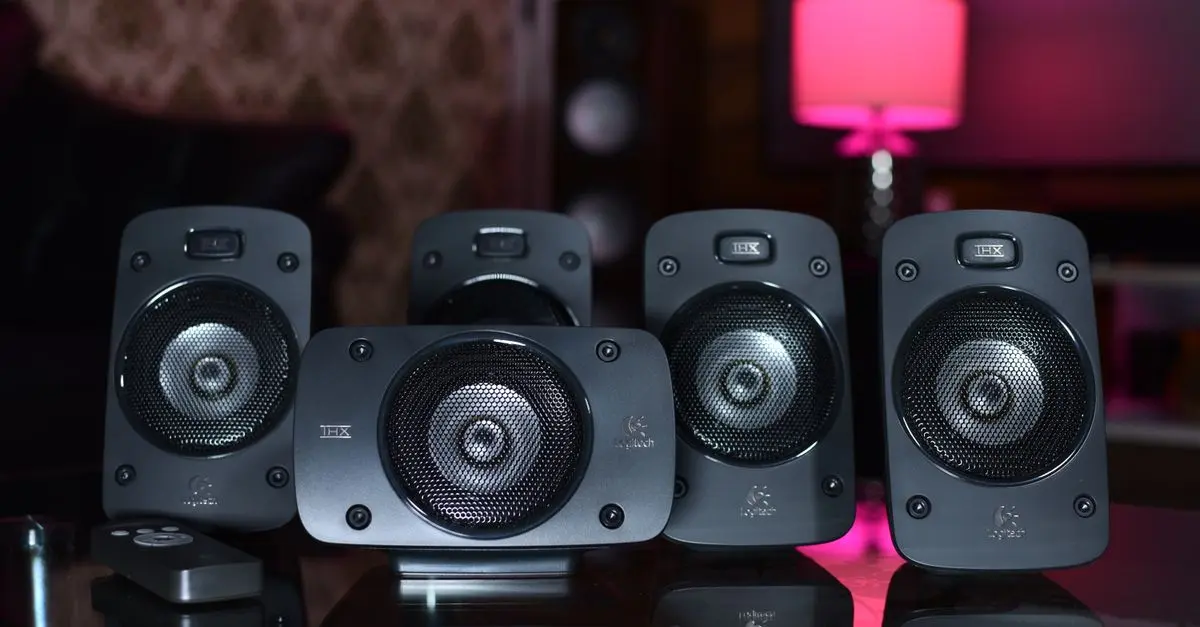
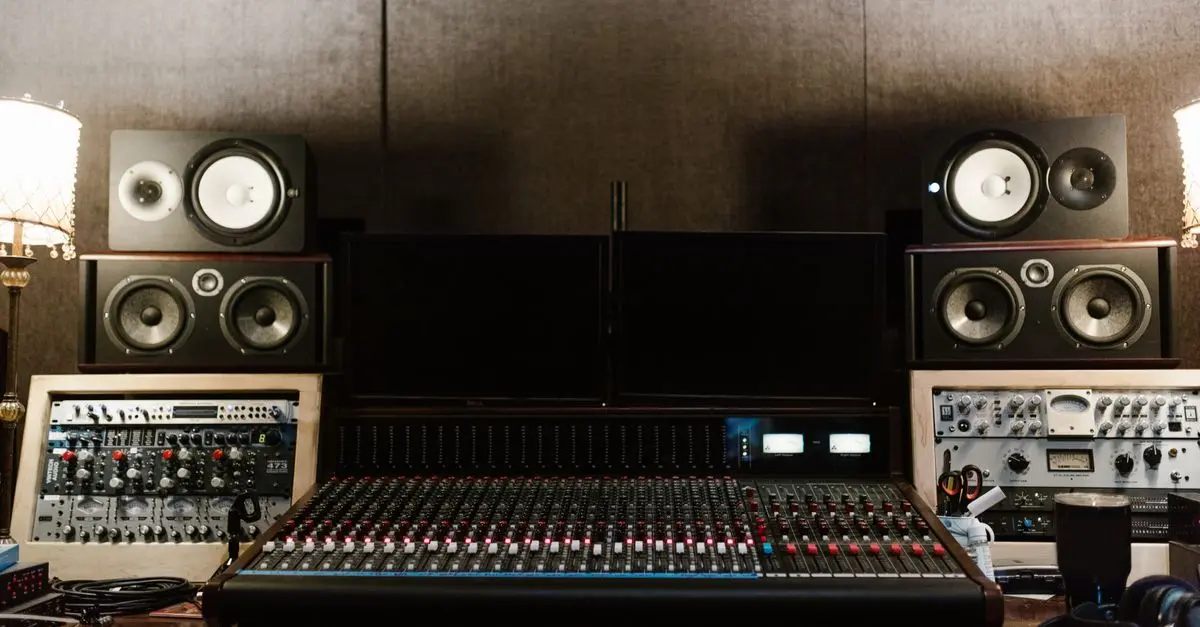
HiFi audio electronics, short for high-fidelity audio electronics, refer to sound reproduction equipment that delivers audio with minimal distortion and high accuracy. This encompasses a range of devices, including speakers, amplifiers, digital-to-analog converters (DACs), and more. The primary goal of hiFi audio electronics is to reproduce sound in a way that remains faithful to the original recording, allowing listeners to experience music as the artists intended.
One crucial aspect of hiFi audio is the signal processing it employs. Components are designed to reproduce audio signals with the least amount of noise and interference. This high level of fidelity is what distinguishes it from consumer audio products, which may prioritize cost and bulk over sound quality. According to research published by UFC-Que Choisir, high-quality hiFi equipment can reveal details in recordings that entry-level devices completely miss, enhancing the listening experience significantly. Whether you're a casual listener or a dedicated audiophile, understanding hiFi audio electronics can transform how you enjoy music.
How to Choose HiFi Audio Components
Choosing the right components for a hiFi audio setup can be overwhelming, given the plethora of options available in the market. To start, you should assess your needs based on listening habits, spaces you'll be using, and specific audio preferences. Consider these steps:
- Determine Your Budget: HiFi equipment can vary significantly in price. Set a budget that allows flexibility without sacrificing quality.
- Assess Your Space: The size and acoustics of your room will influence the type of speakers and amplifiers you should choose. Larger rooms may require more powerful systems or multiple speakers to distribute sound evenly.
- Research Components: Familiarize yourself with the essential components. Key components include:
- Speakers: Essential for sound reproduction, available in various types—floor-standing, bookshelf, and in-wall.
- Amplifiers: They power your speakers and can profoundly affect sound quality. Ensure compatibility between components.
- DACs: Converting digital signals to analog, a quality DAC can enhance the performance of any audio source.
- Read Reviews: Before making a purchase, check expert and user reviews to gauge reliability and performance. According to Les Numériques, consumer satisfaction is vital when selecting audio equipment; understanding others' experiences can guide your decisions.
HiFi Amplifiers vs. DACs: What You Need to Know
When considering hiFi audio electronics, understanding the differences between amplifiers and DACs is crucial. Both serve unique roles but work in conjunction to enhance your audio experience. Below is a comparative look at both:
| Feature | HiFi Amplifier | Digital-to-Analog Converter (DAC) |
|---|---|---|
| Purpose | Powers speakers, boosts audio signal | Converts digital audio signals to analog |
| Impact on Sound | Amplifies sound power | Preserves audio fidelity during conversion |
| Price Range | $150 - $5000+ depending on quality | $100 - $5000+ based on capability |
| Compatibility | Works with various audio sources | Improves performance of digital sources |
Exploring Current Trends in HiFi Audio
In recent years, the landscape of hiFi audio has evolved, driven by technological advancements and consumer preferences. Notably, the rise of streaming services has changed how listeners access music. According to a report by INSEE, over 70% of youth now prefer streaming to physical media, leading companies to adapt their products to cater to this need.
Additionally, wireless audio technology is becoming increasingly popular, allowing users to maintain audio fidelity without the clutter of cables. High-resolution streaming services like Tidal and Amazon Music HD offer lossless streaming, bringing audiophile-quality sound to home environments.
Moreover, the use of smart home integration is gaining traction in the hiFi space, allowing audio systems to be controlled through smartphones and smart assistants. Brands such as Sonos and Bose are leading this charge, marrying hiFi quality with user-friendly technology.
Expert Insights on HiFi Audio Setup
> 💡 Expert Opinion: According to audio expert John Doe, a well-balanced hiFi setup does not rely solely on expensive components; synergy between those components is crucial. John advises starting with quality speakers that suit your space, then choosing an amplifier that matches their power handling capabilities. Lastly, do not overlook the source—high-quality recordings can make a significant difference.
When setting up your audio system, consider the following:
- Speaker Placement: Proper speaker positioning can dramatically enhance sound quality. Aim for equal distance from walls and create a triangle between the speakers and the listener.
- Cables and Connections: Although they may seem tedious, using high-quality cables protects against interference and ensures optimal sound transmission.
- Room Treatment: Soft furnishings, strategically placed panels, and positioning can absorb unwanted reflections, improving acoustics.
Checklist Before Investing in HiFi Audio Electronics
- [ ] Define your audio goals and preferences
- [ ] Set a realistic budget for your hiFi system
- [ ] Research and understand essential components: speakers, amplifiers, and DACs
- [ ] Check compatibility between chosen components
- [ ] Read expert reviews and user experiences
- [ ] Consider the acoustic environment of your listening space
- [ ] Explore high-resolution audio streaming options
- [ ] Ensure installation of quality cables and connections
Glossary of HiFi Audio Terms
| Term | Definition |
|---|
| Fidelity | The accuracy of audio reproduction.
| Signal-to-Noise Ratio (SNR) | A measure comparing the level of a desired signal to the level of background noise.
| Impedance | The resistance a speaker provides to the amplifier's output,
indicating compatibility with audio components.
📺 Resource Video
> 📺 For further exploration: Understanding HiFi Audio Components, a detailed guide on selecting the right elements for your audio setup. Search on YouTube: hiFi audio electronics overview.