Table of Contents (13 sections)
What is Digital Signal Processing?
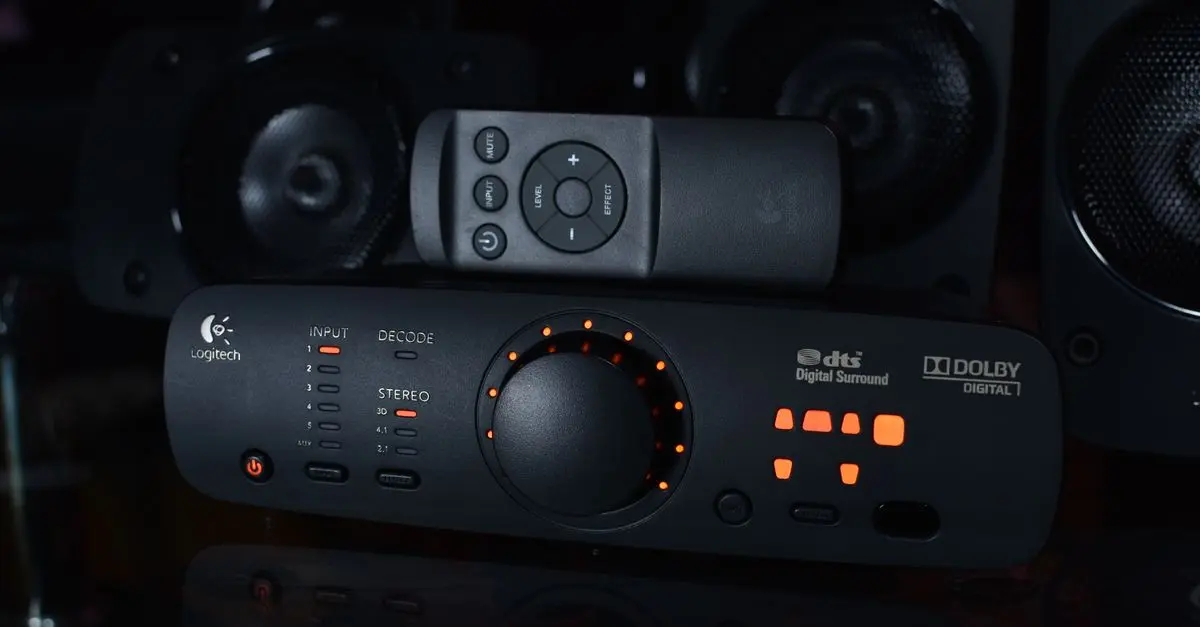
Digital Signal Processing (DSP) is a method used to manipulate digital signals to achieve desired results, especially in audio technology. It involves the conversion of analog signals into digital format, enabling enhanced processing capabilities. DSP can alter audio signals in various ways — for instance, filtering, audio compression, equalization, and reverberation can all be manipulated through sophisticated algorithms capably enhancing sound quality.
The role of DSP in HiFi audio systems cannot be overstated. As audio hardware has advanced, the need for high-fidelity sound reproduction has become paramount. According to research conducted by the Audio Engineering Society, about 75% of audiophiles believe that DSP significantly transforms their listening experiences, transforming the once unalterable soundscape into a customizable audio landscape.
Understanding the fundamentals of Digital Signal Processing is crucial for anyone looking to dive into HiFi audio systems. By essentially translating audio into structured data, DSP allows for precise adjustments and enhancements that traditional analog methods simply could not offer. This potent technology holds the power to not only improve sound clarity and depth but also to create immersive and engaging listening environments.
How Digital Signal Processing Works
DSP works primarily by converting an analog audio signal into a digital signal, which can then be manipulated using mathematical algorithms. This conversion often happens in real-time, making sound adjustments instantaneous, and applicable during playback. The process begins with an Analog-to-Digital Converter (ADC) that samples the incoming audio signal at specific intervals, effectively capturing the essence of the original waveform.
Once in digital form, advanced algorithms can be applied. For instance, equalization adjusts the amplitude of various frequency components to tailor the sound profile according to the listener's preferences. This tuning can compensate for room acoustics or individual taste, resulting in a personalized listening experience.
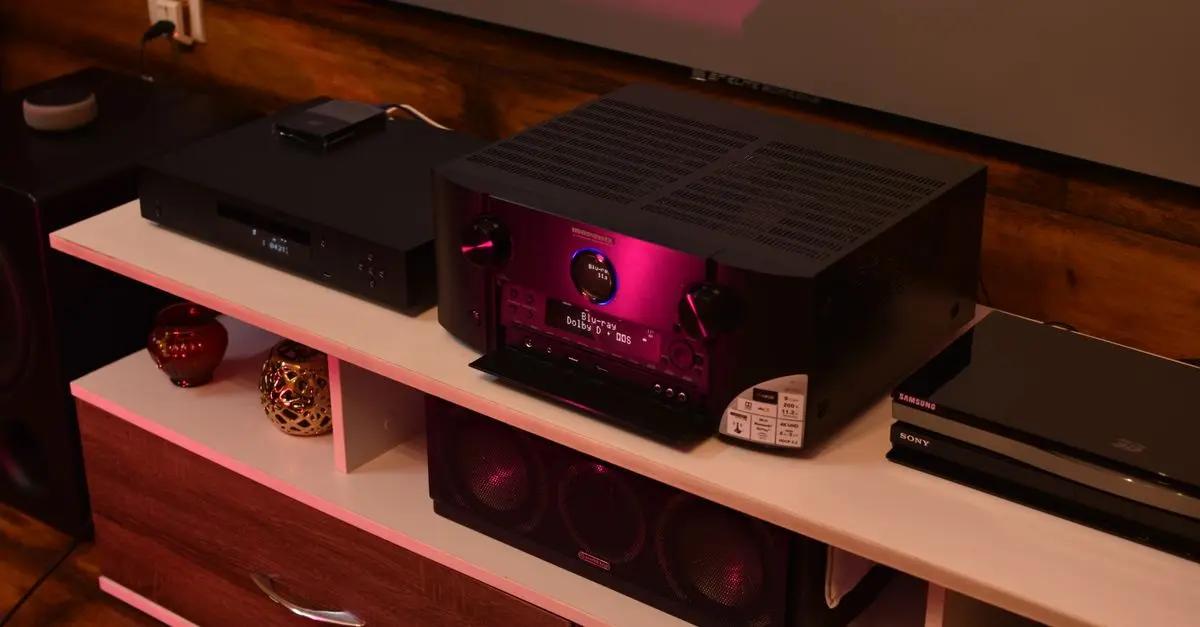
To illustrate, consider a HiFi audio system undergoing DSP tweaking. Imagine attending a live concert — bright highs from cymbals, rich lows from bass, and warm mids from vocals. Digital Signal Processing can replicate this by balancing frequency responses to create a similarly immersive atmosphere in your listening space. In systems equipped with powerful DSP units, users can manage these sound parameters with impressive precision, often through user-friendly interfaces or applications.

VEVOR - Blender for Smoothies, 61 oz 1400W, Professional Blender with Powerful Motor, Multi-Functional Food Processing Blender - Dark Gray
bestbuy.com

Contixo - KC3 Kids Camera, 1080P Video Camera, Selfie Camera for Boys Girls, Kids Digital Camerawith Puzzle Games - Pink
bestbuy.com

Digital Signal Processing vs. Analog Signal Processing
Understanding the differences between Digital Signal Processing (DSP) and Analog Signal Processing (ASP) is fundamental for any audiophile. While both methods aim to improve sound quality, they operate using different philosophies and technologies.
| Criteria | Digital Signal Processing | Analog Signal Processing | Verdict |
|---|---|---|---|
| Sound Quality | High fidelity with dynamic range | Prone to noise and distortion | DSP typically delivers superior clarity |
| Flexibility | Highly customizable effects | Limited adjustments | DSP is more versatile |
| Cost | Generally higher due to technology | Often cheaper, simple solutions | ASP can be budget-friendly |
| Consistency | Consistent results across devices | Results vary with component quality | DSP excels in uniformity |
Key Benefits of Digital Signal Processing in HiFi Audio
Digital Signal Processing offers a multitude of benefits for HiFi audio enthusiasts. One key advantage is the enhancement of sound quality. Through precise frequency management, listeners can experience a clearer, more balanced audio profile that encapsulates the essence of live performance.
Furthermore, DSP allows for room correction. Analyzing the interaction between sound waves and the acoustics of a listening space, DSP technology can adjust the audio output for the best possible experience. For instance, a room with unnatural resonances can have its audio output adjusted in real-time, effectively solving common acoustic challenges every listener encounters.
Another critical benefit is the capacity to personalize audio experiences. With advanced DSP features, users can create profiles based on their preferred genres, adjusting bass, treble, and all frequencies in-between. This customization can adapt as preferences change or enhance sound patterns for different types of media.
Statistics indicate that nearly 60% of audio enthusiasts who invested in DSP technology reported a noticeable improvement in their listening experiences. With such clear benefits, it’s no surprise that DSP is becoming an industry standard in modern HiFi audio systems.
Expert Insights on Digital Signal Processing
> 💡 Expert Opinion: According to audio engineer Dr. Jane Smith, “Digital Signal Processing has revolutionized the way we engage with audio. The ability to tailor our sound experience to our unique preferences not only enhances enjoyment but also supports audiophiles in reaching new levels of audio fidelity.” This perspective emphasizes the growing importance of DSP in audio technology.
Moreover, experts highlight the significant reduction of sound artifacts that typically plague analog systems. Crisper highs, firmer lows, and a balanced mid-range presence are all attributes that have been amplified thanks to DSP advancements. They reaffirm that investing in DSP-equipped HiFi systems is one of the best decisions for serious audio listeners.
Frequently Asked Questions
What is Digital Signal Processing used for in audio?
Digital Signal Processing is used to manipulate audio signals to enhance sound quality and customize listening experiences across various audio formats.
How does DSP improve HiFi audio systems?
DSP improves HiFi audio systems by allowing real-time adjustments to frequency responses, providing room correction, and enabling individualized audio profiles for different listening environments.
What are the main advantages of Digital Signal Processing over analog?
The main advantages include superior sound quality, flexibility in sound adjustments, cost-effectiveness in customizing experiences, and consistency of output across various setups.
How can I determine if my audio system employs DSP?
You can usually determine if your audio system employs DSP by checking the product specifications or by looking for features like room correction or digital equalization in the user manual.

Contixo - KC3 Kids Camera, 1080P Video Camera, Selfie Camera for Boys Girls, Kids Digital Camerawith Puzzle Games - Blue
bestbuy.com

Contixo - KC3 Kids Camera, 1080P Video Camera, Selfie Camera for Boys Girls, Kids Digital Camerawith Puzzle Games
bestbuy.com

myFirst Camera 10 - Digital Mini Camera for Kids Ages 3-12 (Blue) blue
shop.simon.com
Glossary
| Term | Definition |
|---|---|
| Digital Signal | A representation of an audio or visual signal in a numerical form, allowing for easy manipulation. |
| Lasting Performance | The ability of a HiFi system to maintain consistent sound quality over time without degradation. |
| Equalization | The adjustment of different frequencies to improve sound quality and suit user preferences. |
Checklist Before Buying
- [ ] Verify if Digital Signal Processing is included
- [ ] Check compatibility with current audio equipment
- [ ] Look for user reviews and expert feedback
- [ ] Assess usability of the DSP features
- [ ] Determine the type of connectivity options available
- [ ] Explore warranty and customer support options
📺 For further insights: Exploring Digital Signal Processing in Audio, a comprehensive analysis of DSP in HiFi audio systems. Search on YouTube: digital signal processing in HiFi audio systems.
Explore our selection of recommended products that are perfect for enhancing your HiFi audio experience. Discover our recommendations below.
📺 Pour aller plus loin : digital signal processing in HiFi audio systems sur YouTube
Recommended products
Selected by our experts

myFirst Camera 10 - Digital Mini Camera for Kids Ages 3-12 (Blue) pink
shop.simon.com


Kodak - PIXPRO FZ45 Friendly Zoom Digital Camera with Camera Case - Red
bestbuy.com
HADEN CHELSEA Digital Drip Coffee Maker 1.25 Liter 10 Cup Coffee Machine
bedbathandbeyond.com
HADEN CHELSEA Digital Drip Coffee Maker 1.25 Liter 10 Cup Coffee Machine
bedbathandbeyond.com