Table of Contents (11 sections)
In the rapidly evolving world of audio technology, HiFi audio innovations are leading the charge towards a more immersive and personalized listening experience. In 2026, advancements in HiFi audio technology not only enhance sound quality but also integrate advanced features that cater to audiophiles and casual listeners alike. This article explores major trends in the field, offering insights into why these innovations matter and how they’re transforming how we consume music and audio.
The Rise of High-Resolution Audio Streaming
High-resolution audio streaming is becoming a standard for audiophiles. Unlike traditional streaming services that compress audio files, high-resolution platforms offer lossless audio quality, which is essential for enjoying the subtleties and nuances of recordings. It is estimated that 45% of music listeners now prefer high-resolution formats, according to a study by the Audio Engineering Society.
The popularity of high-resolution audio is attributed to the increasing accessibility of high-bandwidth internet, allowing services to stream higher fidelity without interruptions. Furthermore, with devices evolving to support high-res playback, consumers are more empowered. In fact, major platforms like Tidal and Qobuz provide extensive catalogs of high-resolution tracks that cannot be rivaled by conventional streaming services. DJs and producers are also utilizing high-resolution for mastering tracks, ensuring that the final sound aligns perfectly with their creative vision.
💡 Expert Opinion: "With high-resolution audio on the rise, it’s clear that listeners are becoming more discerning about sound quality. This trend is here to stay and will continue to influence the way we create and consume music in the future."
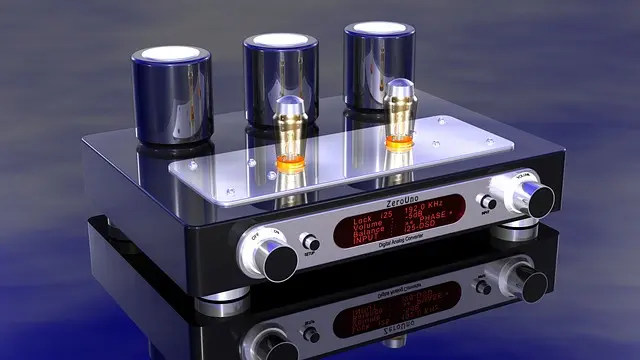
This shift is also supported by a growing number of DAC (Digital-to-Analog Converter) and amplifier technologies that enhance high-res audio playback quality, ensuring that portability does not equate to loss in sound fidelity.
Wireless Technology and its Impact on HiFi Audio
Wireless technology in audio has made incredible strides, particularly with the rise of Bluetooth 5.0 and Wi-Fi 6. The improved bandwidth of these technologies allows for higher bit rates, which increases the audio fidelity that can be transmitted. According to Bluetooth SIG, over 40% of users have switched to wireless audio devices for their convenience and performance.
Additionally, features like multi-room audio streaming have increased the appeal of wireless HiFi systems. Companies are now focusing on seamless integration between devices, allowing listeners to enjoy music throughout their homes without any loss in sound quality. The use of apps to control audio settings has also simplified user experience, enabling tailored sound profiles based on individual preference.
For example, wall-mounted speakers can now provide HiFi sound while integrating beautifully into a room's decor. Innovations in speaker designs now include smart technologies that learn user preferences, thereby optimizing sound output in real-time based on usage patterns.


Active Noise Cancellation and HiFi Listening
Active noise cancellation (ANC) is becoming a hallmark of modern headphones and speakers, especially in HiFi systems. The use of algorithms to identify and neutralize background noise has enhanced the overall listening experience, making it more immersive. According to a report by Market Watch, the global market for noise-canceling devices is projected to reach $2 billion by 2027.
Users now demand not only high-quality sound but also clarity free from interruptions. This reflects a growing trend where consumers prioritize an experience that matches their lifestyle, whether they're commuting or enjoying a quiet evening at home. By incorporating ANC technology, brands are ensuring that users can enjoy their music in various environments without sacrificing sound integrity.
Companies like Meze Audio are leading the charge, producing headphones that not only sound superb but also offer ANC as a standard feature, appealing to a wide range of listeners seeking the best experience.
The Integration of AI in Audio Equipment
Artificial intelligence is reshaping the audio landscape, particularly through the personalization of sound experiences. With AI-driven features that analyze listening habits, devices can adjust parameters such as equalization and spatial sound to suit individual preferences. A survey by NPD Group reported that 35% of consumers favor smart audio devices for their customizability and ease of use.
Moreover, AI can optimize audio settings based on the acoustics of the environment, ensuring that sound quality is maintained regardless of external factors. This capability is particularly valuable in dynamic listening environments, such as large spaces or outdoors.
As AI continues to evolve, we can predict that the personalization of audio will become more sophisticated. This will allow users to interact with their devices in ways that feel intuitive and responsive, truly enhancing their audio experience.
Future-Proofing Audio Gear with Modular Designs
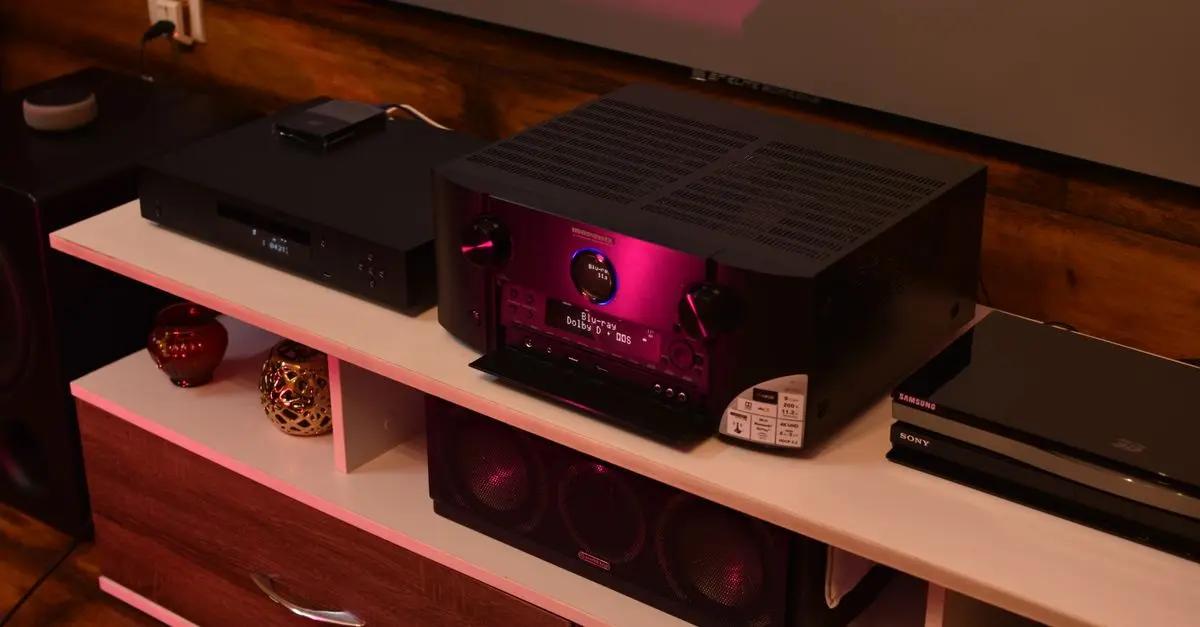
One of the emerging trends is the modular design of audio equipment, creating a future-proof system that adapts to technological advances. This means components like DACs, amplifiers, and speakers can be upgraded without replacing the entire system. Home theater systems and audiophile setups are increasingly being designed with modular elements, allowing consumers to adapt their setups with the latest technologies as they become available.
Statistics show that modular systems can lead to a 30% reduction in long-term costs for audiophiles, as noted by Tech Radar. Moreover, this flexibility caters to a growing eco-conscious consumer base that values sustainability. By prolonging the lifespan of audio systems, manufacturers are addressing both consumer demands and environmental concerns.
Comparison Table of HiFi Innovations
| Feature | Traditional Audio | High-Res Streaming | Wireless Audio | AI-Powered Devices |
|---|---|---|---|---|
| Sound Quality | Standard | Lossless Quality | Great | Highly Customized |
| Connectivity | Wired | Multiple Devices | Bluetooth/Wi-Fi | Adaptable |
| Use Cases | Home Audio | Cross-Platform Music | Everywhere | Intuitive Control |
| Market Growth Rate | Steady | Fast Growing | Moderate | Rapid |
Q: How does Bluetooth 5.0 enhance audio quality?
A: Bluetooth 5.0 provides a higher bit rate, resulting in improved audio transmission and thus better sound quality when streaming.
Q: Why is active noise cancellation important in HiFi audio?
A: ANC improves the listening experience by reducing background noise, allowing users to enjoy their music without interruptions.
Q: How does AI improve my audio experience?
A: AI can analyze your listening habits and adjust the audio settings accordingly for a truly personalized listening experience.
📺 Resource Video
> 📺 For those looking for deep insights: Exploring HiFi Innovations in 2026, offers an in-depth analysis of the latest trends in audio technology. Search for: "HiFi audio innovations 2026 on YouTube".

Checklist before Purchasing
- [ ] Research sound quality standards.
- [ ] Check compatibility with current devices.
- [ ] Look for reviews of high-resolution audio platforms.
- [ ] Compare active noise cancellation features.
- [ ] Evaluate the AI capabilities of devices.
Glossary
| Term | Definition |
|---|
| High-Resolution Audio | Audio of greater fidelity than CD quality, allowing for more detail and depth in sound.
| Digital-to-Analog Converter (DAC) | A device that converts digital audio signals into analog sound.
| Active Noise Cancellation (ANC) | Technology that reduces unwanted ambient sounds by the presence of opposite frequencies.
📺 Pour aller plus loin : HiFi audio innovations 2026 sur YouTube
Recommended products
Selected by our experts

Night Owl - Add_On 2-Camera Deterence 2K Security Camera with 2-Way Audio - White
bestbuy.com
Night Owl - Add_On 2-Camera Deterence 2K Security Camera with 2-Way Audio - White
bestbuy.com