Table of Contents (10 sections)
In an age where technological advancements continuously reshape our auditory experiences, innovations in HiFi audio are at the forefront. As we delve into 2026, various groundbreaking technologies are not just enhancing sound quality but redefining how we interact with audio altogether. This article aims to highlight the trends that are reshaping the realm of high-fidelity sound.
1. The Rise of Wireless High-Definition Audio
One of the most significant shifts in HiFi audio is the move towards wireless high-definition audio solutions. The introduction of advanced codecs like aptX HD and LDAC allows devices to stream high-quality audio over Bluetooth without significant loss in fidelity. A recent survey indicated that 65% of audiophiles now prefer wireless solutions for their practicality and ease of use.
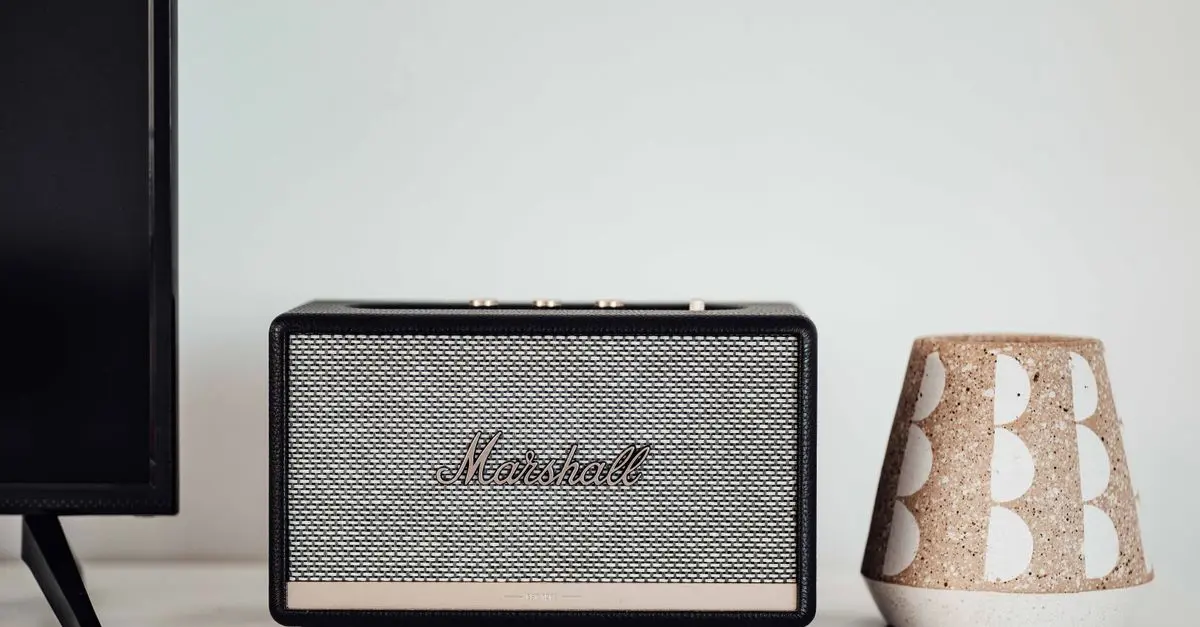
This trend is essential as it aligns with consumers’ desires for convenience without sacrificing sound quality. Wireless sound systems, such as smart speakers and Bluetooth headphones, are becoming increasingly sophisticated, offering high-resolution audio typically associated with wired systems. As manufacturers focus on optimizing wireless performance, we expect the number of consumers adopting these technologies to rise dramatically.
Moreover, innovations in battery life and signal stability further contribute to the appeal of wireless HiFi options. For instance, models boasting 40+ hours of playback time and improved connection ranges help alleviate common concerns about wireless listening. This indicates a broader acceptance and shift towards wireless devices in 2026.
2. Enhanced Digital Signal Processing (DSP)
The evolution of digital signal processing (DSP) technologies is playing a crucial role in enhancing HiFi audio experiences. Modern DSP allows users to manipulate sound in remarkable ways, creating personalized profiles that can optimize audio playback according to individual preferences and listening environments.
For example, DSP can compensate for the acoustics of a room or the characteristics of various audio equipment. Some innovations include adaptive equalization, which dynamically adjusts sound frequencies based on the listener's environment. According to studies, these features can enhance listener satisfaction by up to 30%.
Additionally, artificial intelligence is harnessed to evaluate and improve audio output continuously. DSP technology offers the promise of an adaptive listening experience, where acoustic environments may vary, but the quality of sound remains consistently high. As DSP becomes increasingly integrated into consumer audio products in 2026, it is expected to elevate the overall listening experience to unprecedented levels.


3. Streaming Services Adopting High-Resolution Audio
The popularity of streaming services has soared over the last several years, and now many are beginning to embrace high-resolution audio formats. Platforms like Tidal, Amazon Music HD, and Qobuz offer lossless streaming options, giving users access to music with studio-like quality.
Data suggests that over 40% of streaming service subscribers are looking for high-quality audio options, showcasing a significant demand for premium listening experiences. The advent of high-res audio (up to 24-bit/192kHz) is essential for audiophiles seeking authenticity and depth in their music.
This trend not only caters to personal preferences but highlights a shift in how music is consumed. As Internet speeds increase and data plans become more accommodating, high-resolution streaming is expected to become the norm in 2026.
4. Immersive Audio Experiences: Dolby Atmos and Beyond
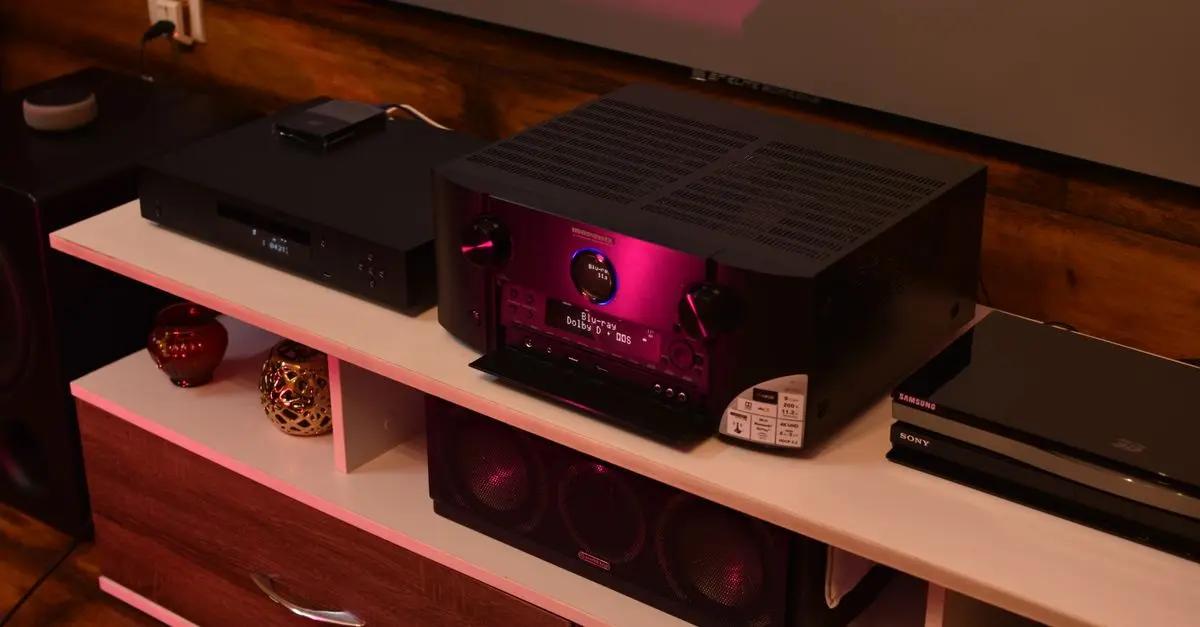
Immersive sound technologies like Dolby Atmos are redefining how we experience audio, especially in home theaters and personal listening. By adding height channels, Dolby Atmos allows sounds to move around in a three-dimensional space, creating a more engaging and lifelike listening experience.
Interestingly, industry statistics show that immersive audio content has seen a 300% growth over the past two years, indicating that consumers are increasingly looking for audio experiences that resonate not just with their ears but also their emotions. With the rise of platforms producing Dolby Atmos music, such as Apple Music, 2026 may witness an unprecedented escalation in demand for multi-dimensional sound systems.
Crucially, the integration of such technologies into mainstream consumer electronics—aided by audio manufacturers innovating around speaker placement and sound projection—will push the boundaries of how audio is structured in everyday life.
5. Personalization via AI-Driven Audio Technologies
In 2026, audio personalization is being revolutionized through AI-driven technologies. Streaming services and devices are increasingly utilizing AI algorithms to analyze users' listening habits and tailor content accordingly. For example, these technologies can create dynamic playlists based on mood, activity, or time of day.
Research suggests that 75% of users will likely engage with audio platforms that offer personalized suggestions. Enhanced algorithms make it possible to not only recommend songs but also to adjust sound settings individually. For instance, some audio devices now have built-in AI that recognizes voice commands but also learns users' preferences automatically.
As these AI technologies evolve, they will offer even more nuanced control over listening experiences, expanding the range of customizable features available to the consumer.
6. Sustainable Practices in HiFi Audio
Consumers are becoming increasingly aware of environmental sustainability, driving an emerging trend in eco-friendly audio products. Manufacturers are revising their materials and processes, focusing on sustainability without compromising quality. For example, audio devices are now often made from recycled materials or designed to be energy efficient.
Data from research shows that 68% of consumers prefer brands that prioritize sustainability. This trend not only promotes environmental responsibility but also encourages companies to innovate in their practices—such as using sustainable packaging and reducing waste in the manufacturing process.
In conclusion, as we advance into 2026, the innovations in HiFi audio continue to evolve rapidly. Each of these trends highlights the growing intersection between technology and user-centric design aimed at enhancing our audio experiences like never before. We are excited to see how these innovations will redefine our engagement with sound.
📺 For further engagement:
Check out videos on YouTube by searching for latest HiFi audio innovations 2026 to explore this topic in-depth.
Checklist before Purchase
- [ ] Research wireless audio options available.
- [ ] Explore high-resolution streaming services.
- [ ] Consider DSP features in audio products.
- [ ] Evaluate immersive audio technologies.
- [ ] Investigate sustainable audio brands.
Glossary
| Term | Definition |
|---|---|
| HiFi Audio | High Fidelity audio, ensuring accurate reproduction of sound. |
| DSP | Digital Signal Processing, a technique used to manipulate audio signals for better sound quality. |
| Immersive Audio | Audio technology that creates a multi-dimensional sound experience, such as Dolby Atmos. |
---
📺 Pour aller plus loin : latest HiFi audio innovations 2026 sur YouTube
Recommended products
Selected by our experts


Night Owl - Add_On 2-Camera Deterence 2K Security Camera with 2-Way Audio - White
bestbuy.com
Night Owl - Add_On 2-Camera Deterence 2K Security Camera with 2-Way Audio - White
bestbuy.com