Table of Contents (14 sections)
The world of high fidelity audio is evolving, driven by technological advancements and shifting consumer preferences. As we look toward 2026, several trends are emerging that will revolutionize how we experience sound. In this article, we will delve into these trends, understanding their importance and predicting their impact on the audio industry.
Key Trends in High Fidelity Audio
1. Immersive Audio Experiences
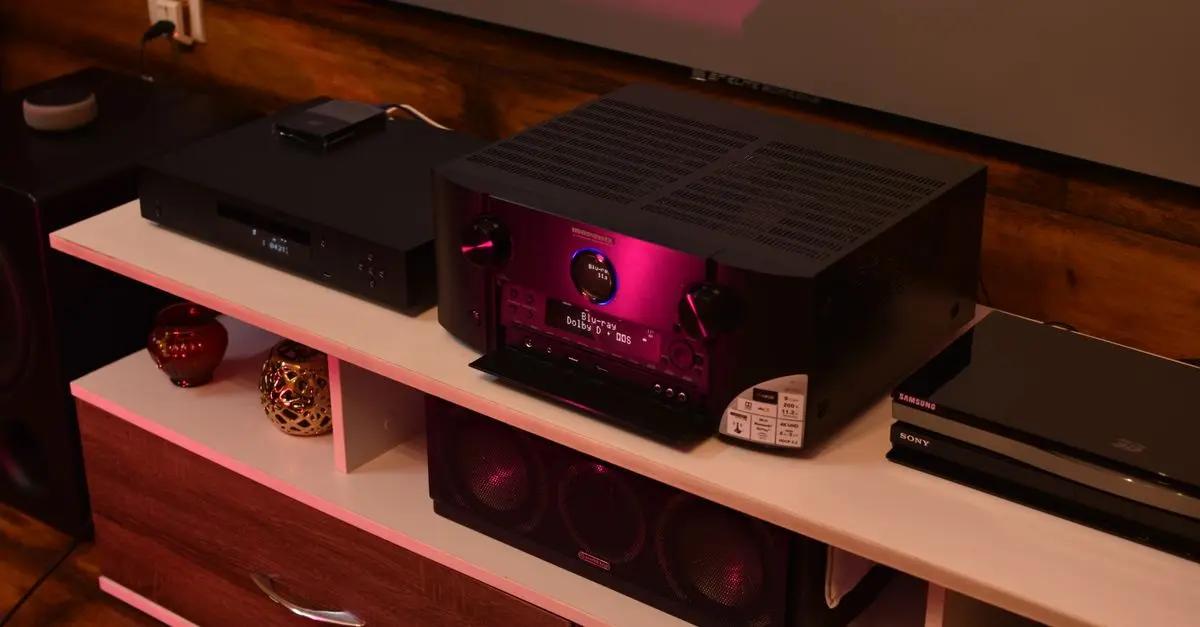
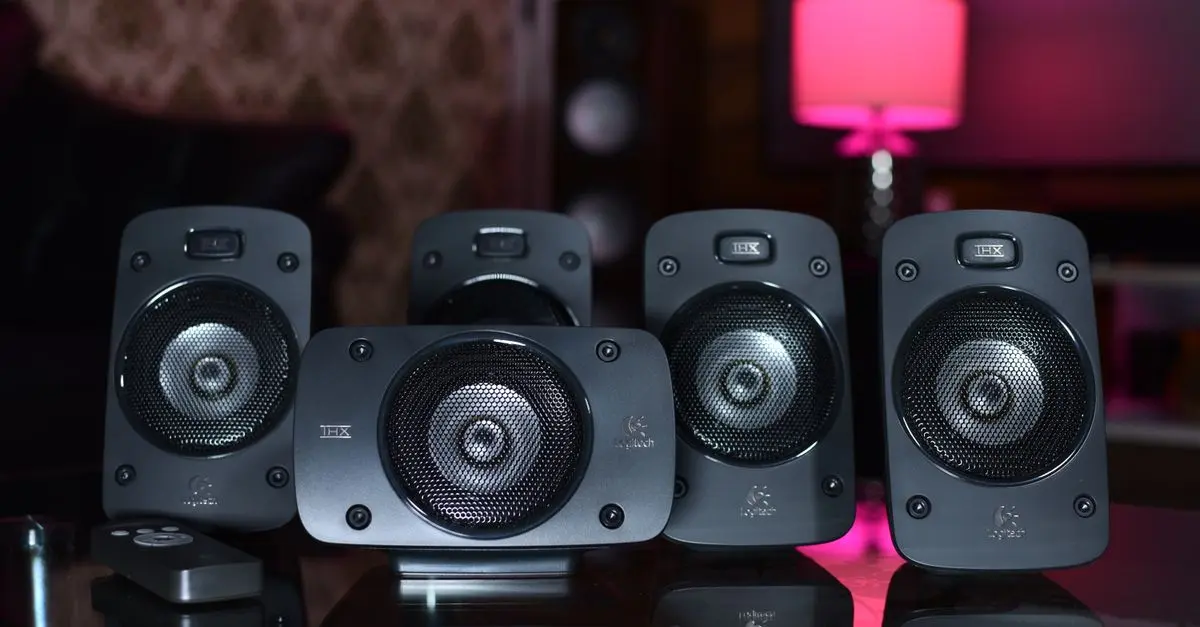
Immersive audio is no longer limited to cinemas and specialized venues. With the rise of technologies such as Dolby Atmos and Auro-3D, consumers are increasingly seeking surround sound systems for home use. This trend is profound, as it enhances user engagement by making auditory experiences more lifelike. According to a study by PwC, the global immersive audio market is projected to grow from $1.40 billion in 2021 to $4.17 billion by 2027, reflecting a surging interest in spatial audio technologies. This increase implies that consumers are ready to invest in better sound systems, contributing to the demand for high fidelity audio products.
Analysis: This trend highlights a shift in consumer expectations. No longer satisfied with standard stereo sound, audiophiles demand a more surround experience, pushing manufacturers to innovate continuously.
2. High-Resolution Audio Streaming
The demand for high-resolution audio streaming services is on the rise, fueled by platforms like Tidal, Qobuz, and Amazon Music HD that offer lossless audio formats. An IFPI report indicates that over 50% of music listeners express interest in high-resolution streaming, as they seek superior sound quality. This trend encourages more labels to offer their catalogs in formats like FLAC and DSD. The shift from compressed files to high-resolution formats enhances the listener's experience, allowing for greater detail and clarity in music.
Analysis: As consumers prioritize audio quality, streaming services that embrace high fidelity audio may capture more users, setting a new standard for content delivery.
3. Integration of AI in Audio Production
Artificial Intelligence (AI) is transforming audio production by providing tools that enhance the mixing and mastering process. Software like iZotope and LANDR offers AI-driven solutions that simplify complex production tasks, making it easier for artists to achieve studio-quality sound without extensive audio engineering knowledge. The result? An increasing number of independent artists can produce high-quality audio, democratizing the music industry.
Statistics show that 34% of music producers are now utilizing AI tools, pointing to a significant shift in how music is created.
Analysis: AI not only enhances the production quality but also allows for innovative sound design, opening new avenues for artists and pushing the boundaries of creativity in music.
4. The Rise of Portable High Fidelity Audio Devices
With advancements in battery technology and digital audio conversion, high fidelity portable audio devices are becoming popular. Brands like Astell&Kern and FiiO are leading this charge, providing users with the ability to enjoy studio-quality sound on the go. A survey conducted by NPD Group shows that sales of high-fidelity portable players increased by 20% in 2025, driven by a consumer desire for high-quality audio experiences beyond their homes.
Analysis: As more people discover the benefits of high fidelity sound in portable formats, we can expect further innovation and refined design in audio devices aimed at audiophiles who value sound quality above all.
5. Personalized Listening Experiences
The future of audio will increasingly become about personalization. Enhanced algorithms on platforms determine user preferences, creating tailor-made sound experiences. Spotify has already taken steps toward this with its personalized playlists, and we can expect this trend to expand into audio quality. Imagine audiobooks or music playlists adjusted based on individual audio preferences and even hearing profiles. As reported by McKinsey, personalized content increases engagement by up to 30%.
Analysis: This trend will prioritize user experience, reinforcing the idea that high fidelity audio is not merely a luxury but a personalized necessity.
6. Sustainable Audio Technologies
Sustainability is becoming a crucial consideration in all industries, and audio manufacturing is no exception. Companies are increasingly focusing on eco-friendly materials and practices in producing high fidelity audio equipment. From recyclable packaging to energy-efficient production processes, this trend underscores a growing consumer consciousness about environmental impact. According to ResearchAndMarkets, the global market for sustainable audio products will reach $1.5 billion by 2026.
Analysis: This shift towards sustainability not only appeals to eco-conscious consumers but also drives innovation in materials and manufacturing methods, setting up a paradoxical trend where high fidelity and sustainability coexist.
📺 Resource Video
> 📺 For further insights: Explore our detailed analysis of the latest trends in high fidelity audio. Search on YouTube: "future of high fidelity audio 2026 trends."
Comparison Table
| Trend | Importance | Examples | Expected Impact |
|---|---|---|---|
| Immersive Audio Experiences | Enhances user engagement | Dolby Atmos, Auro-3D | Push for surround sound adoption |
| High-Resolution Audio Streaming | Superior sound satisfaction | Tidal, Amazon Music HD | Higher demand for quality products |
| AI in Audio Production | Democratizes production access | iZotope, LANDR | Enables innovation in music creation |
| Portable High Fidelity Devices | Quality on-the-go | Astell&Kern, FiiO | Expands market for audiophiles |
| Personalized Listening | Tailored user experience | Spotify algorithms | Increases engagement significantly |
| Sustainable Audio Technologies | Eco-friendly audio solutions | Recyclable materials | Merges quality with environmental concern |
Glossary
| Term | Definition |
|---|---|
| High-Fidelity Audio | Audio reproduction that conveys the original sound in detail. |
| Surround Sound | Sound reproduction that creates the perception of being surrounded by audio sources. |
| Lossless Audio | Audio compression that retains all original sound data for maximum quality. |
Checklist before Buying
- [ ] Determine your audio needs (listening environment, portability).
- [ ] Research high-resolution streaming services.
- [ ] Check for AI-enhanced audio production tools.
- [ ] Consider eco-friendly options.
- [ ] Explore compact, high-quality audio devices.
Conclusion
As the landscape of high fidelity audio continues to transform, these trends indicate a shift towards more user-centered experiences and innovation. Companies that embrace these changes will thrive in the evolving market. Whether you are a casual listener or an audiophile, staying informed about these developments will enhance your enjoyment of music and sound.
If you want to stay ahead in the audio world, keep an eye on these trends and consider investing in quality audio technology that aligns with them.