Table of Contents (13 sections)
What Are Bookshelf and Floorstanding Speakers?
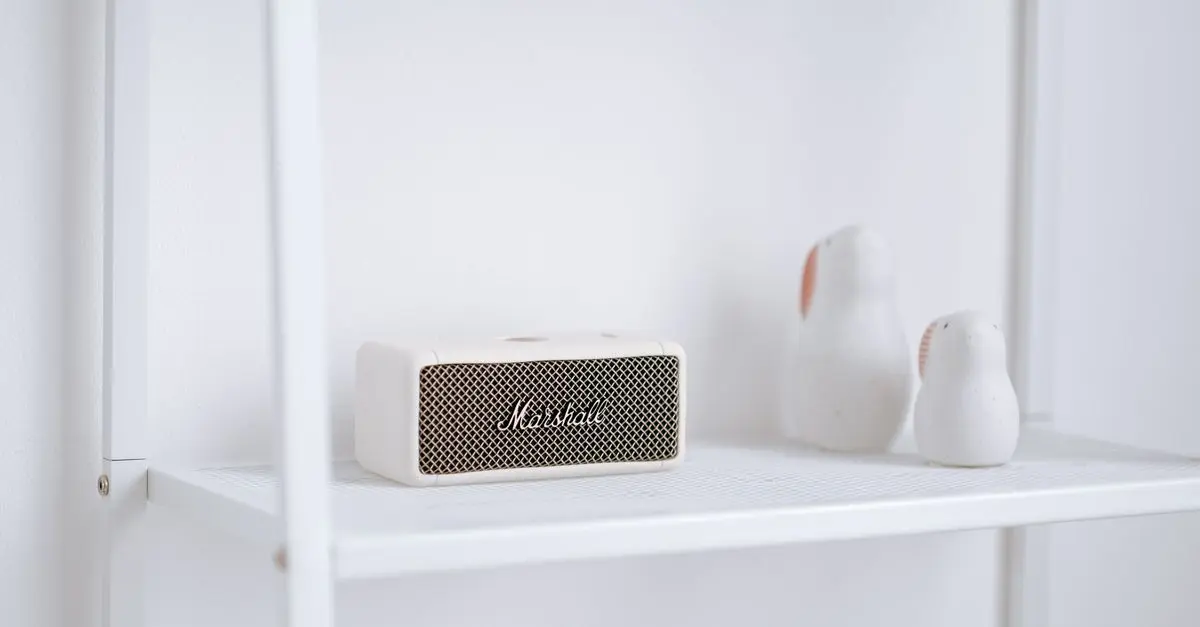
Bookshelf and floorstanding speakers are two commonly used types of speakers in home audio systems. Bookshelf speakers are compact and designed to be placed on shelves or stands, while floorstanding speakers, also known as tower speakers, are larger units that stand on the floor and provide a more powerful sound experience.
The primary distinction lies in their design and sound capabilities. Bookshelf speakers typically feature smaller drivers and cabinets, making them ideal for smaller spaces or for use as part of a stereo setup where space is a premium. On the other hand, floorstanding speakers boast larger drivers, producing a greater range of frequencies and louder sound, thus offering a more immersive listening experience.
According to audio experts, the choice between these types often depends on the user’s space, sound preference, and aesthetic challenges. An audiophile might want to consider both types to create a balanced sound system, as they serve distinct roles in acoustic performance.
How to Choose Between Bookshelf and Floorstanding Speakers
Choosing the right type of speaker depends on several factors. Here’s a step-by-step guide to assist you in making the optimal decision:
- Consider Room Size: If your room is smaller, bookshelf speakers may suffice. They deliver excellent sound without overwhelming the space. Alternatively, for larger rooms, floorstanding speakers might be necessary to adequately fill the space with sound.
- Evaluate Sound Preferences: Assess your listening style. If you enjoy rich bass and large soundscapes, floorstanding speakers are often preferred due to their ability to produce deeper bass and greater sound pressure levels. Bookshelf speakers, meanwhile, might be suitable for more intimate listening or conversational environments.
- Functionality and Usage: Think about how you intend to use the speakers. If they're part of a more complex audio setup with multiple components, you might benefit from having both types in your system.
- Budget Considerations: Generally, bookshelf speakers are less expensive than floorstanding alternatives. However, investing in quality floorstanding speakers might yield better long-term satisfaction if you have the budget.
- Aesthetics and Space: The visual presence of speakers is also crucial. Floorstanding speakers can dominate a room's visual appeal, while bookshelf speakers offer flexibility in placement and may blend in more unobtrusively.
Direct Comparison: Bookshelf vs Floorstanding
Here's a comparative table that outlines the key differences between bookshelf and floorstanding speakers:
| Feature | Bookshelf Speakers | Floorstanding Speakers | Verdict |
|---|---|---|---|
| Size | Compact, easily fits on shelves | Larger, requires more floor space | Bookshelf for small spaces, floorstanding for large rooms |
| Sound Quality | Good for mid-range sound, limited bass | Superior bass response, wider soundstage | Floorstanding speakers excel in overall sound performance |
| Price | Generally more affordable | Higher initial investment | Choose based on budget and sound preferences |
| Placement Options | Versatile, can fit anywhere | Typically placed along walls | If space permits, floorstanding is ideal for better acoustics |
| Bass Response | Limited bass performance | Powerful bass production | Floorstanding speakers provide better low-end output |
| Ideal Use Case | Home office, smaller rooms | Home theaters, larger living spaces | Choose based on room size and purpose |
Statistical Insights on Speaker Preferences
A recent survey conducted by UFC-Que Choisir revealed that approximately 65% of audiophiles prefer floorstanding speakers for home theaters, while 45% favor bookshelf speakers for smaller setups. The survey also noted that sound quality is the primary concern for 81% of participants when selecting speakers. These insights highlight the growing trend towards investing in higher quality sound systems among audio enthusiasts.
💡 Expert Opinion:
> Investing in good-quality floorstanding speakers can transform your listening experience. Their ability to reproduce sound accurately makes them a favorite among music enthusiasts. As per Les Numériques, proper placement and room acoustics can greatly enhance sound performance, making setup as important as the choice of speaker itself.
FAQs
What are the best uses for bookshelf speakers?
Bookshelf speakers are ideal for small to medium-sized rooms, providing excellent sound quality without requiring significant space. They work great for music listening, gaming, and even home theater setups when paired with a good subwoofer.
Can I use bookshelf speakers instead of floorstanding speakers?
Yes, you can use bookshelf speakers if you have limited space and don’t require heavy bass output. However, if you want a full range of sound, floorstanding speakers are recommended.
Are floorstanding speakers worth the investment?
For serious audiophiles and those who value high-quality sound, floorstanding speakers are worth the investment due to their superior sound performance and bass response.
Do bookshelf speakers need a subwoofer?
While bookshelf speakers can function well independently, many users opt to add a subwoofer to enhance bass response, particularly for home theater use.
Glossary
| Term | Definition |
|---|---|
| Bookshelf Speakers | Compact audio speakers designed for placement on shelves, stands, or small spaces. |
| Floorstanding Speakers | Larger speakers that stand on the floor, offering better sound quality and bass response for larger rooms. |
| Acoustic Performance | How well a speaker reproduces sound in a given environment, influenced by speaker design, room acoustics, and placement. |
Checklist before Purchase
- [ ] Assess room size and speaker placement
- [ ] Define your sound preferences and usage needs
- [ ] Set a budget before shopping
- [ ] Research brands and models within specified budget
- [ ] Consider potential pairing with amplifiers or receivers
📺 For further exploration: Understanding Speaker Types in 2026 explores the nuances between different speaker designs. Search on YouTube for:
best bookshelf vs floorstanding speakers 2026
🧠 Quick Quiz: What is the main advantage of floorstanding speakers over bookshelf speakers?
- A) They take up less space
- B) They produce better bass and sound levels
- C) They are less expensive
Answer: B — Floorstanding speakers are known for their enhanced bass performance and richer sound compared to bookshelf speakers.