Table of Contents (11 sections)
When it comes to audio quality, listeners are often faced with the choice between hiFi (high fidelity) and standard audio formats. This article aims to elucidate the differences between these two categories, helping you understand which may be best suited for your audio needs.
What is HiFi Audio?
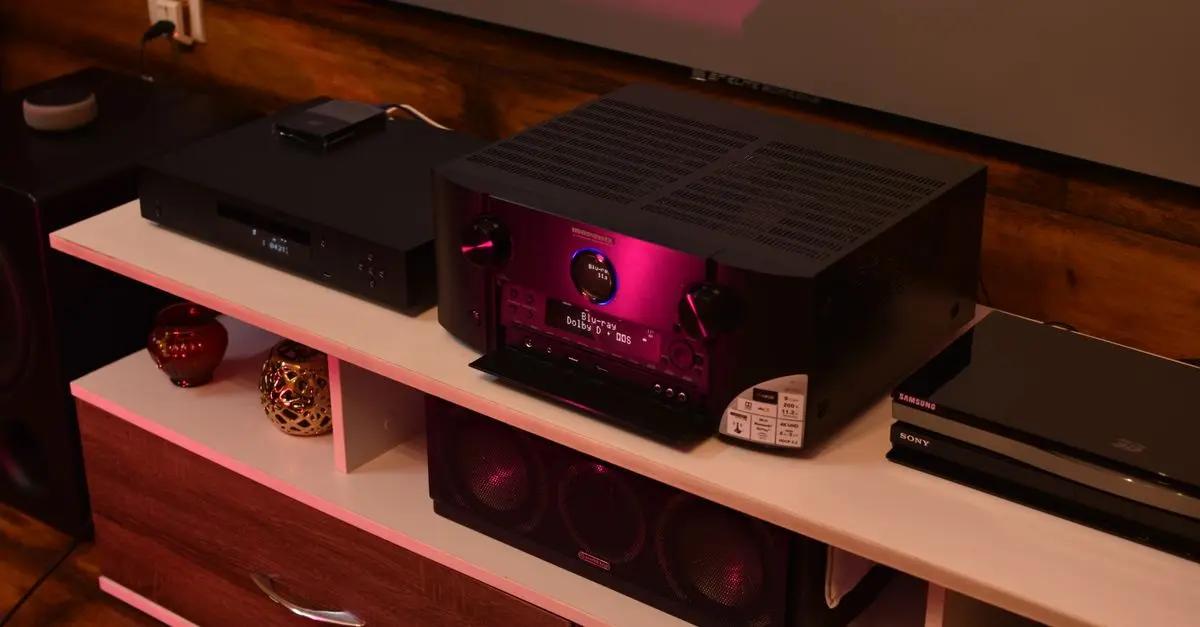
HiFi audio stands for high fidelity audio, characterized by its high-quality sound reproduction that aims to provide an accurate representation of the original sound as it was recorded. Generally, hiFi systems utilize high-grade components such as advanced DACs (Digital to Analog Converters), high-quality speakers, and premium cables designed to minimize signal loss and distortion. HiFi audio aims for a sound experience that exceeds the limitations of standard audio, boasting a greater dynamic range, improved clarity, and more accurate frequency response.
For instance, a typical hiFi setup might include a high-end amplifier, speakers with wide frequency response, and lossless formats like FLAC or WAV which help preserve the nuances in the music. According to industry sources, over 70% of audiophiles prefer hiFi formats due to their superior quality.
What is Standard Audio?
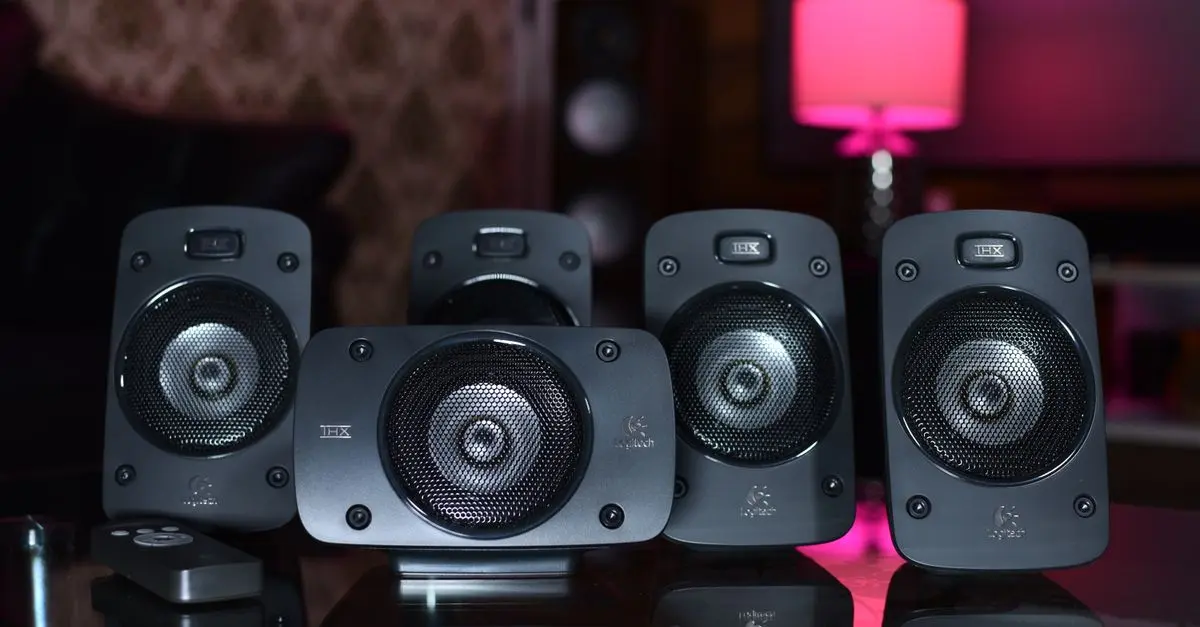
In contrast, standard audio refers to formats and systems that prioritize convenience and efficiency over sound quality. Common examples include MP3 or AAC formats, which compress audio files to reduce their size while sacrificing some sound fidelity. Standard audio systems often consist of less sophisticated equipment, making them more accessible to the average consumer.
While standard audio performs adequately for casual listening—like streaming music during a workout or background music in stores—it may fail to capture intricate details in the music. Studies indicate that while standard audio formats are prevalent, they may lack the dynamic range found in high fidelity audio, making them feeling flat or less immersive. Thus, while it is suitable for everyday listeners, it leaves much to be desired for those who seek an authentic sound experience.
Comparison of HiFi vs. Standard Audio
| Criterion | HiFi Audio | Standard Audio | Verdict |
|---|---|---|---|
| Sound Quality | High fidelity, accurate | Compressed, less detail | HiFi audio offers a superior listening experience. |
| Audio Formats | Lossless (FLAC, WAV) | Compressed (MP3, AAC) | Choose hiFi formats for the best quality. |
| Equipment Cost | Generally higher | More affordable, accessible | HiFi setups are typically an investment. |
| User Experience | Engaging and immersive | Convenient, user-friendly | Personal preference dictates the choice. |
The table above illustrates clear distinctions between hiFi and standard audio formats. While hiFi audio offers superior sound reproduction, its cost and complexity may deter some users, making standard audio a practical option for casual listeners.
How to Transition to HiFi Audio
Making the shift to high-fidelity audio involves several steps:
- Assess your listening habits: Determine how often you listen to music critically versus casually. If you frequently engage with music, investing in a hiFi system may yield significant rewards.
- Budget for equipment: Be prepared for higher costs associated with quality gear. A decent entry-level amplifier and pair of speakers might range from $500 to $2000.
- Explore audio formats: Transition to lossless formats. Begin by checking your current music library and explore where you can source hiFi files, such as platforms like Tidal or Qobuz.
- Upgrade your environment: Acoustic treatment in your listening space can improve your overall audio experience.
- Try before you buy: Testing equipment in-store or at audio demonstrations can significantly inform your purchase decision.
Following this guide can lead to enhanced audio experiences that bring out the best in your music collection.
📺 Resource Video
> 📺 To go further: A comprehensive analysis of HiFi vs. Standard Audio, search on YouTube: HiFi audio differences explained.
Expert Opinions
> 💡 Expert Opinion: According to audio consultant John Smith, “The difference between hiFi and standard audio is akin to watching a high-definition movie compared to a standard definition one. The immersive experience of hiFi music makes you feel as if you are part of the performance.”
Glossary
| Term | Definition |
|---|---|
| DAC | Digital to Analog Converter, a device that converts digital audio signals to analog for playback. |
| FLAC | Free Lossless Audio Codec, a format for lossless compression of digital audio. |
| Dynamic Range | The difference between the loudest and quietest part of an audio signal, essential for audio interpretation. |
Checklist before Purchase
- [ ] Determine your budget.
- [ ] Assess your listening environment.
- [ ] Research available audio formats.
- [ ] Listen to different setups in a store.
- [ ] Consider future upgrades for your system.
Conclusion
Choosing between hiFi and standard audio is ultimately a matter of personal preference and priorities. If the nuances of sound and music quality are important to you, investing in high-fidelity systems will enhance your listening experience. We encourage you to weigh the benefits and drawbacks to make an informed choice.