Table of Contents (20 sections)
Choosing the best HiFi microphone for your studio can significantly impact the quality of your recordings. Whether you're a seasoned audio engineer or a beginner, understanding the various types and specifications of HiFi microphones is crucial. This comprehensive guide will provide you with essential information and steps to ensure you make an informed decision.
1. Understanding HiFi Microphones
What is a HiFi Microphone?
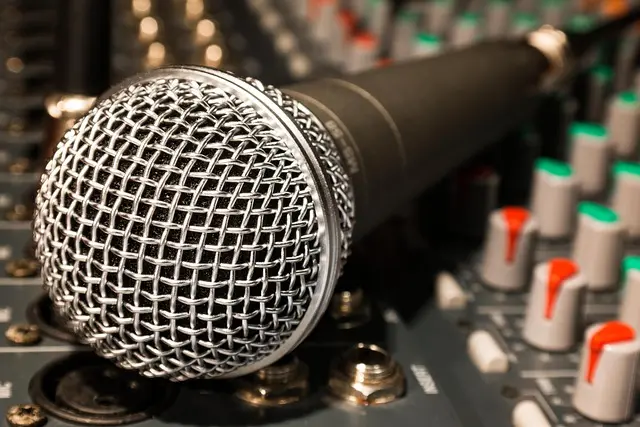
A HiFi microphone, short for high-fidelity microphone, is designed to capture sound with high accuracy and minimal distortion. Unlike basic microphones, HiFi microphones can reproduce sound in a way that closely resembles the original source, making them ideal for studio recordings. These microphones are often used by musicians, podcasters, and audio engineers who want to achieve professional-level sound quality.
Several key features define HiFi microphones: a wide frequency response range, low self-noise, and high sensitivity. This means they can pick up subtle nuances in sound, making them well-suited for recording vocals, instruments, and other sound sources with clarity.
Importance of Choosing the Right Microphone
Selecting the best HiFi microphone for your studio is paramount for a few reasons. First, the right microphone can enhance the overall sound quality of your recordings, ensuring that your music sounds polished and professional. Second, different types of microphones (e.g., dynamic, condenser, ribbon) have unique characteristics that suit various recording applications. Understanding these nuances will help you select one that perfectly matches your recording environment and intended use.
2. Step-by-Step Guide to Choosing a HiFi Microphone
Step 1: Determine Your Recording Environment
Before you dive into specific microphone models, evaluate your recording space. Is it acoustically treated or more of a natural room? Factors such as room size, amount of sound reflection, and background noise will influence the type of microphone you should consider.
- In treated environments, sensitive condenser microphones may excel as they can capture a broad range of frequencies and detail.
- In untreated or noisier settings, you might prefer dynamic microphones that are less sensitive and help reject off-axis sounds.
Step 2: Understand Microphone Types
HiFi microphones come in various types:
- Dynamic Microphones: These are robust and versatile, great for live performances and noisy environments.
- Condenser Microphones: These are sensitive and ideal for capturing detailed audio, but they usually need phantom power.
- Ribbon Microphones: These provide a warm sound and are popularly used for vocals and instruments but are more fragile.
Knowing these types will help you to match the microphone to your specific recording needs.
Step 3: Set a Budget
Microphone prices can range from budget-friendly to high-end models costing thousands. Before you start shopping, determine your budget based on your needs and your overall gear investment. Remember, the cost often reflects the quality, but there are plenty of affordable options that still deliver professional sound.
Don’t forget to factor in additional costs such as accessories like pop filters, shock mounts, and boom arms, as they can enhance your recording quality significantly.
Step 4: Research Specifications
When considering specific models, pay attention to specifications like frequency response, sensitivity, and self-noise levels. For instance:
- Frequency Response: A wider range (20 Hz to 20 kHz) is generally preferred for capturing full audio spectra.
- Sensitivity: High-sensitivity microphones can capture quieter sounds more effectively.
- Self-Noise: Look for microphones with low self-noise ratings to ensure that you minimize unwanted noise in your recordings.
Step 5: Read Reviews and Seek Recommendations
Leverage online resources, forums, and video reviews where professionals share their experiences. Additionally, consider asking for opinions from friends or colleagues who are knowledgeable about microphones. The feedback from users can reveal critical insights into performance and durability.
Professional Tip:
Try to test microphones in person if possible. Many music stores have demo stations, allowing you to compare sounds.

MOVO - PR-2-PM Smartphone Video Rig with Shotgun Microphone, Grip Handle, & Wrist Strap for Smartphones
bestbuy.com

Sony - WHCH520 Wireless Headphones with Microphone, Black with Wood Headphone Display Stand
bestbuy.com

Hivvago Kids Piano Keyboard 37-Key Kids Toy Keyboard Piano with Microphone for 3+ Kids
shop.simon.com
3. Microphone Comparison
When choosing among different microphones, side-by-side comparisons can be invaluable. Below is a table that outlines some features and considerations for three types of HiFi microphones:
| Feature | Dynamic Microphone | Condenser Microphone | Ribbon Microphone |
|---|---|---|---|
| Durability | Very High | Moderate | Low |
| Sound Quality | Good for live | Excellent for detail | Warm, rich tones |
| Best For | Live sound, drums | Vocals, instruments | Vocals, orchestral |
| Price Range | $$$ | $$$$ | $$$$ |
| Pros | Rugged, reliable | Clear and detailed | Smooth and natural |
| Cons | Less sensitive | Needs power | Fragile construction |
5. FAQ about HiFi Microphones
Q1: What is the difference between dynamic and condenser microphones?
A1: Dynamic microphones are more durable and suited for high-volume sources like live performances. On the other hand, condenser microphones offer greater sensitivity and detail, making them ideal for studio recordings.
Q2: How much should I spend on a good microphone?
A2: While good quality microphones can range from $100 to $1,000 and beyond, there are excellent options available in the $200-$500 range that cater to most studio needs efficiently.
Q3: Do I need a mixer for my HiFi microphone?
A3: Depending on your chosen microphone type, having an audio interface or mixer can enhance recording quality and provide greater control over sound settings.
Q4: Can I use a HiFi microphone for podcasting?
A4: Absolutely! HiFi microphones are perfect for podcasting due to their clear sound reproduction and ability to capture voice nuances effectively.
Checklist before Purchasing
- [ ] Assess your recording environment
- [ ] Decide on microphone type (dynamic, condenser, ribbon)
- [ ] Set a realistic budget
- [ ] Research specifications (frequency response, sensitivity)
- [ ] Read user reviews and watch comparison videos
- [ ] Test microphones in-store if possible
- [ ] Consider additional accessories (cables, pop filters)
Glossary
| Term | Definition |
|---|---|
| Dynamic Microphone | A robust microphone suitable for loud sound sources and live performances. |
| Condenser Microphone | A highly sensitive microphone ideal for capturing detailed sounds, often requiring phantom power. |
| Self-Noise | The inherent noise produced by a microphone as it operates, ideally kept low for better sound quality. |
> 📺 For more insights: Search for "Best HiFi Microphones 2026" on YouTube to discover in-depth reviews and comparisons.
🧠 Quiz rapide: What type of microphone is best for live performances?
- A) Dynamic
- B) Condenser
- C) Ribbon
Réponse : A — Dynamic microphones handle high sound pressure and are more rugged, making them ideal for live settings.
Choosing the right HiFi microphone for your studio greatly impacts your recording quality. By considering your environment, understanding the types of microphones available, and staying informed about market trends, you can make a sound decision that elevates your audio productions. Explore our recommended products below to find the perfect match for your studio!
📺 Pour aller plus loin : Best HiFi Microphones 2026 sur YouTube

VILINICE - Noise Cancelling Headphones, Wireless Bluetooth Headphones, Over Ear Headphones with Microphone
bestbuy.com

Hivvago Kids Piano Keyboard 37-Key Kids Toy Keyboard Piano with Microphone for 3+ Kids
shop.simon.com

Hivvago Kids Piano Keyboard 37-Key Kids Toy Keyboard Piano with Microphone for 3+ Kids
shop.simon.com
Recommended products
Selected by our experts