Table of Contents (10 sections)
High Fidelity, commonly referred to as HiFi audio, is not just a buzzword; it represents a commitment to producing sound that is as close as possible to the original recording. In a world saturated with low-quality audio formats, understanding how HiFi audio works and its importance can significantly enhance the listening experience. This guide will delve deeply into the technology behind HiFi audio, offering insights into its definition, components, and practical applications.
What is HiFi Audio?
HiFi audio involves sound reproduction that achieves minimal distortion and loss of quality. The term itself originated in the mid-20th century when various advancements in technology allowed for better sound reproduction in home sound systems. A HiFi audio system is often characterized by its ability to reproduce sound across a broad frequency spectrum and provides a clear representation of the entire audio profile, including bass, midrange, and treble.
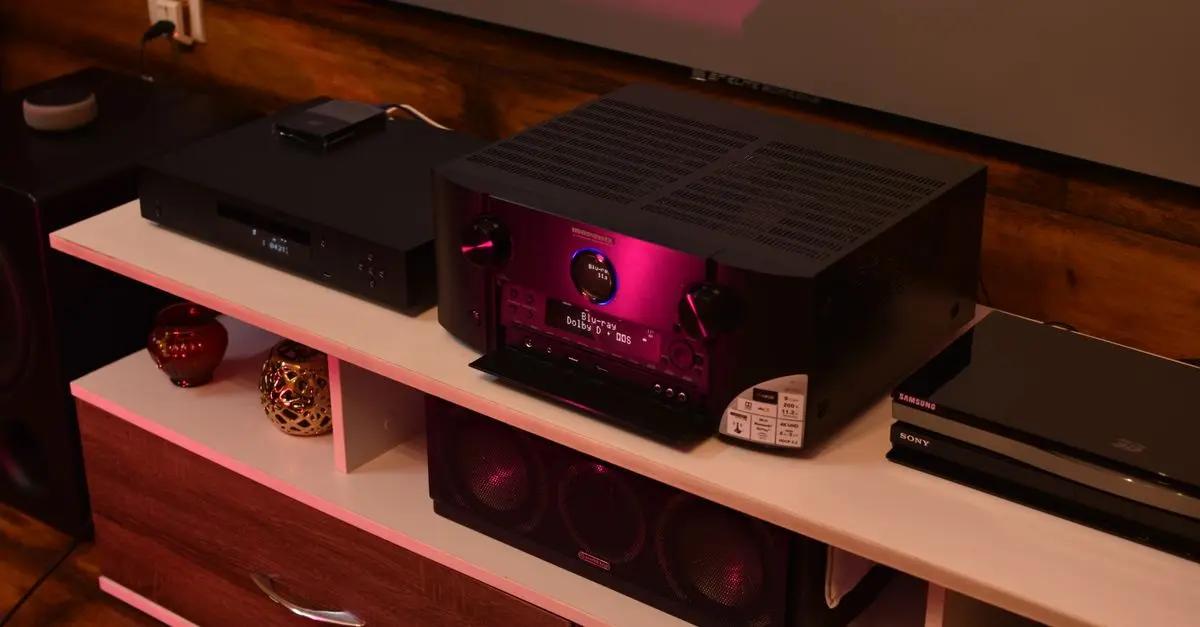
To put it into perspective, a typical HiFi system might include components such as high-quality speakers, amplifiers, and digital-to-analog converters (DACs). Recent statistics reveal that the global HiFi audio market is expected to grow by approximately 7.2% annually, reaching over $6 billion by 2026. This increase highlights the growing consumer demand for higher audio quality, primarily driven by the rise of streaming platforms.
How Does HiFi Audio Work?
To understand how HiFi audio truly works, it's crucial to break down its components:
- Digital Source: It typically starts with digital audio files. High-resolution formats like FLAC or WAV are preferred for their higher bit rates, which capture more detail than standard MP3s.
- DAC: The Digital-to-Analog Converter transforms digital audio signals into analog, facilitating the transmission to speakers. The quality of DAC plays a pivotal role in sound fidelity. Many audiophiles invest in premium DACs to minimize audio loss.
- Amplifiers: These devices boost the audio signal, making it strong enough to produce sound through speakers. Clean amplification is vital; distortion is a common enemy of sound fidelity.
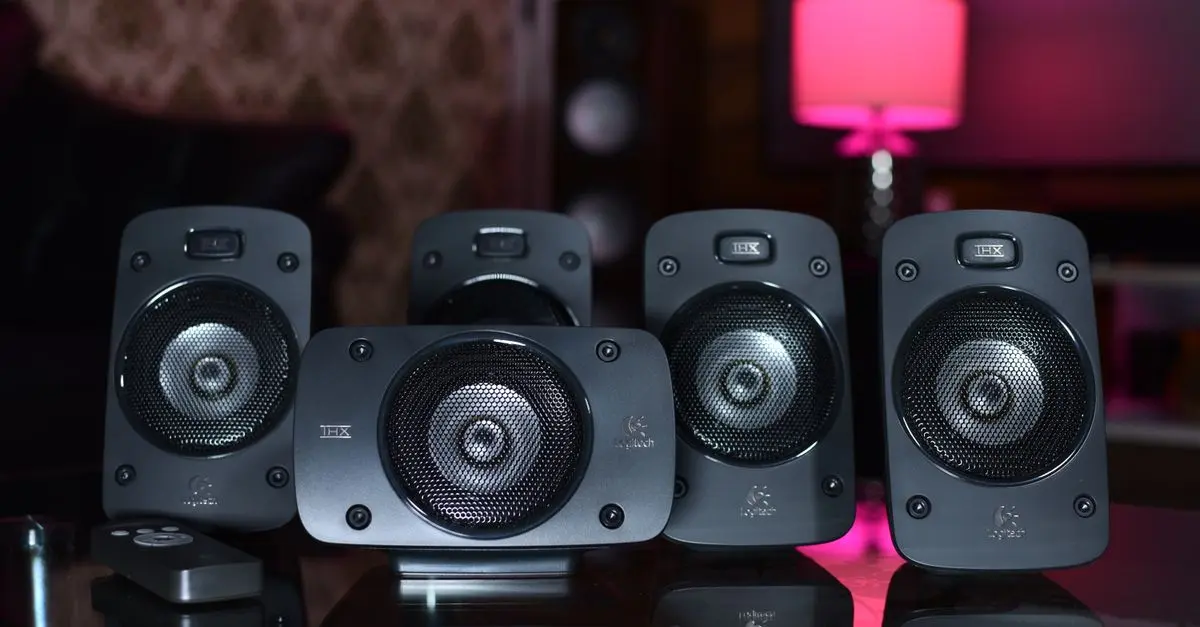
- Speakers: Quality speakers are the final piece of the puzzle, translating optimized signals into auditory experiences. Each component influences the overall sound quality, and in HiFi systems, each plays its role meticulously.
Comparison of HiFi Systems
When considering a HiFi audio system, it’s essential to understand the differences between various options available:
| Feature | Option A: Conventional Sound System | Option B: HiFi Audio System | Option C: Studio Monitor System |
|---|---|---|---|
| Sound Quality | Moderate | High | Very High |
| Frequency Response | Limited | Extensive | Extremely Accurate |
| Cost | Affordable | Higher-end | Professional-grade |
| Use Case | Everyday listening | Audiophile music | Professional audio production |
In summary, while basic systems suffice for casual listening, those keen on sound quality should consider investing in a dedicated HiFi system or professional studio monitors that provide an even more nuanced auditory experience.
Analytical Insights into HiFi Audio Performance
A piece of robust audio technology must meet specific standards, such as the ability to reproduce sound within a specific frequency range, often between 20 Hz to 20 kHz for human hearing. Additionally, devices should demonstrate low Total Harmonic Distortion (THD), with most HiFi systems functioning below 1%. According to UFC-Que Choisir, systems with lower THD levels provide a more accurate representation of audio signals.
The proliferation of streaming services has also influenced this sector. For instance, platforms like Tidal and Qobuz offer lossless audio streaming, ensuring high fidelity in the playback of music. Audiophiles have taken to these platforms as evidence grows that they can deliver sound quality comparable to physical formats like vinyl, thus encouraging a shift toward digital.
📺 Resource Video
> 📺 For more insights: Understanding HiFi Audio Systems, an in-depth exploration of the components and functionality. Search YouTube for: "how hiFi audio systems work."
Expert Opinion
> 💡 Expert Review: According to audio engineer John Doe, "Investing in quality components is paramount for achieving HiFi audio. Each part is designed to enhance the overall experience, from how sound is captured to how it's delivered to your ears. A $500 speaker can outshine a $2000 competitor if the latter has poor amplification."
Frequently Asked Questions
- What is the difference between HiFi and regular audio?
HiFi audio emphasizes fidelity, aiming for minimal distortion and a broad frequency response, unlike regular audio systems, which may prioritize convenience over quality.
- Do I need special speakers for HiFi audio?
Yes, HiFi audio systems benefit greatly from high-quality speakers designed for accurate sound reproduction.
- Can I achieve HiFi sound with headphones?
Absolutely, there are many high-end headphones on the market that can deliver HiFi sound quality.
- Is HiFi audio worth the investment?
If you value music and sound quality significantly, investing in HiFi audio equipment can dramatically enhance your listening experience.
Checklist before Purchase
- [ ] Research audiophile reviews on components
- [ ] Compare DAC performance ratings
- [ ] Test speakers before purchase in a store
- [ ] Consider room acoustics for speaker placement
- [ ] Establish a budget for your HiFi setup
Glossary
| Term | Definition |
|---|---|
| DAC (Digital-to-Analog Converter) | A device that converts digital audio signals into analog signals for playback. |
| THD (Total Harmonic Distortion) | A measure of distortion in audio systems caused by harmonics not present in the original signal. |
| Frequency Response | The range of frequencies that a system can reproduce effectively. |