Table of Contents (10 sections)
When it comes to enjoying music or immersive audio experiences, selecting the best HiFi audio equipment is essential. This guide provides a detailed, step-by-step method for choosing the right components for your specific needs. Not only will you learn what to look for, but you'll also understand the terminology and features that can make a significant difference in sound quality.
Step 1: Determine Your Listening Environment
Before investing in HiFi equipment, evaluate your listening environment. Consider factors like room size, furniture layout, and existing acoustic properties. Smaller rooms may require different audio solutions than larger spaces. For example, a compact speaker system may work perfectly in a bedroom, while floor-standing speakers might be more suitable for a bigger lounge area.
Additionally, think about whether you plan to use your setup for casual listening or critical listening. The former may allow for more flexibility, whereas the latter will require higher precision equipment. Avoid common pitfalls, such as overlooking furniture placement which can significantly impact sound reflection and absorption.
Step 2: Define Your Budget
Creating a budget is vital when selecting the best HiFi audio equipment. The market offers options at all price points, so it's essential to set limits based on your financial situation. High-quality equipment often comes at a cost, but there are ways to maximize value. For example, instead of buying entry-level products in each category, consider investing in one or two high-quality pieces. Always remember that quality often surpasses quantity in audio setups.
Research what level of quality you can afford and stick to that limit to avoid the common trap of overspending. Create a prioritization list from must-haves to nice-to-haves to ensure that your spending aligns with your needs.
Step 3: Understand Essential Specifications
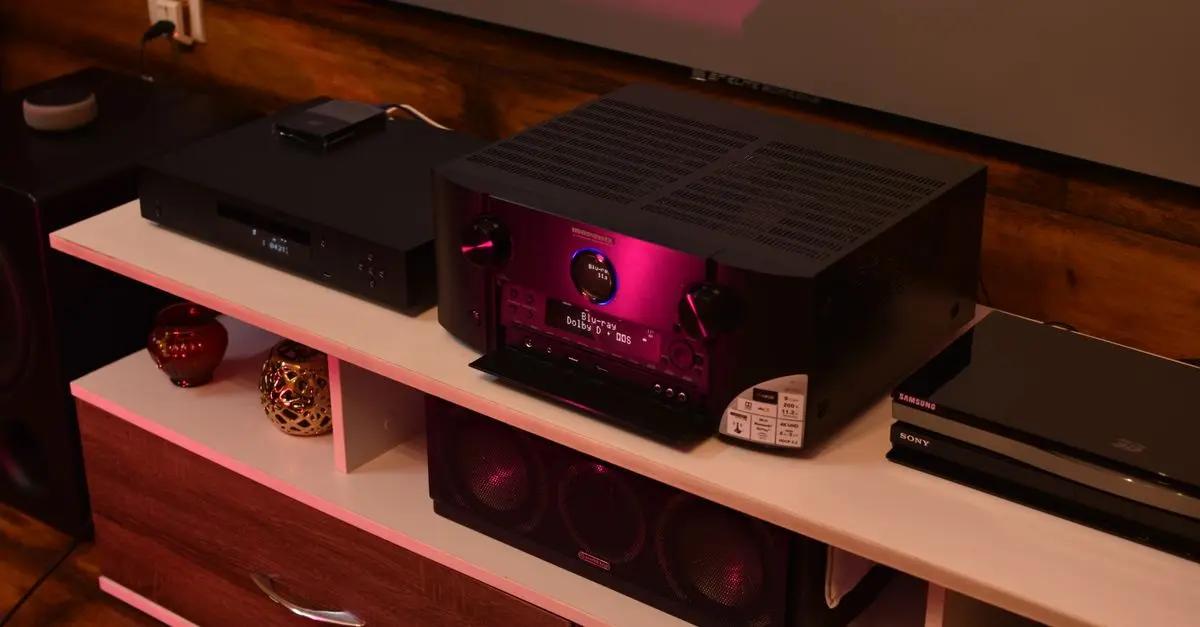
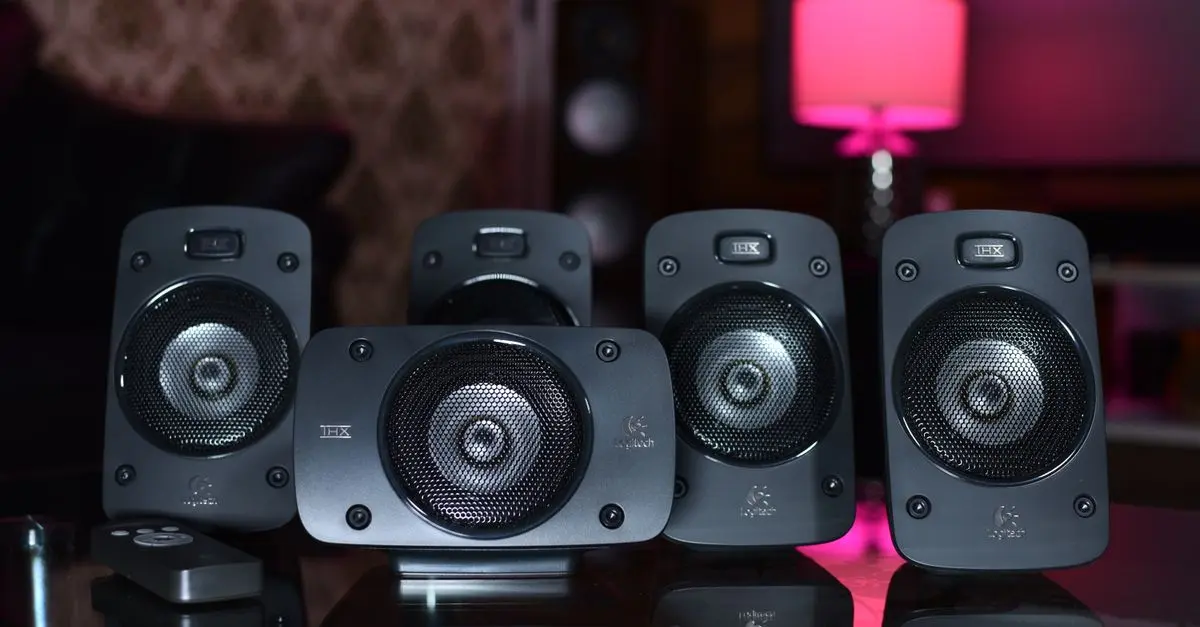
To select the right HiFi equipment, it's crucial to familiarize yourself with essential specifications. For speakers, look at frequency response, sensitivity, and power handling. These factors determine how well a speaker reproduces sound and how loud it can get without distortion. For amplifiers, consider the wattage output, total harmonic distortion (THD), and impedance ratings. This knowledge can prevent you from choosing a component that won’t integrate well with your existing setup.
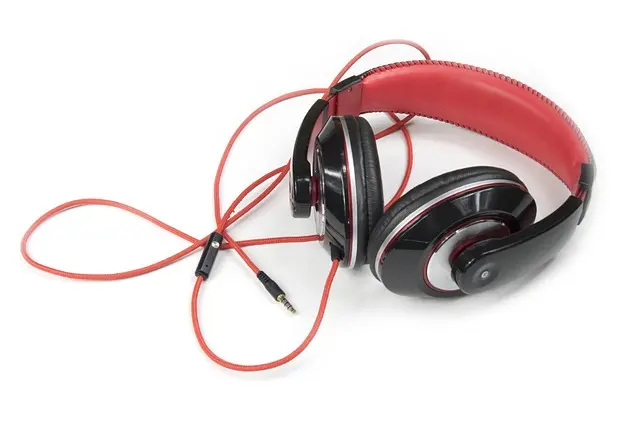
For headphones, key specifications like impedance and frequency range become paramount. Having a grasp of these specifications allows you to make informed decisions that significantly impact the overall listening experience.
Step 4: Explore Different Audio Formats
Different audio formats will require different types of equipment for optimal audio reproduction. For example, if you're primarily listening to high-resolution audio files, select a digital-to-analog converter (DAC) and headphones that support those formats. Understanding formats like MP3, FLAC, or DSD will guide your equipment needs.
Many audiophiles overlook the significance of format compatibility, potentially leading to unsatisfactory listening experiences. Always check that your audio sources are compatible with your new equipment to avoid common mishaps.
Step 5: Evaluate Sound Quality Through Listening Tests
After narrowing down your options, it's essential to perform listening tests. Many audio retailers allow you to test devices in-store. Bring along your favorite albums and utilize a variety of genres to assess how the equipment handles various elements like bass, treble, and soundstage. Pay attention to details; slight variations can change the entire listening experience.
Do not shy away from asking for recommendations from trusted employees at audio specialty stores. They often know how to match equipment to your preferences. Record your impressions during tests; this will become invaluable during the final decision-making process.
Step 6: Consider Brand Reputation and Reviews
Brand reputation plays a significant role in the longevity and performance of HiFi audio components. Research brands that focus on audio quality and customer service. Websites and forums that feature user reviews can provide insights into experiences with particular pieces of equipment. Audiophile communities can often point you towards brand names that consistently outperform others.
Reading reviews on platforms like UFC-Que Choisir or Les Numériques can also assist you in distinguishing quality brands from those that might cut corners on production. Look for red flags or common complaints related to products you are considering.
Checklist Before Purchase
- [ ] Assess your listening environment
- [ ] Establish a clear budget
- [ ] Familiarize yourself with specifications
- [ ] Research audio formats relevant to your music
- [ ] Conduct sound quality tests in-store
- [ ] Investigate brand reputation and user reviews
Glossary
| Term | Definition |
|---|---|
| DAC (Digital to Analog Converter) | A device that converts digital audio signals into analog formats for playback. |
| Sensitivity | A measure of how efficiently a speaker converts power into volume in decibels (dB). |
| Frequency Response | The range of frequencies a speaker or headphone can reproduce, typically measured in Hertz (Hz). |
> 💡 Expert Opinion: Investing in high-quality audio equipment is crucial for optimal listening experiences. Quality over quantity can significantly enhance your audio setup.
📺 For further exploration: Choosing the Perfect HiFi Setup, dive into detailed comparisons of audio systems. Look for **
📺 Pour aller plus loin : how to choose HiFi audio equipment 2026 sur YouTube
Recommended products
Selected by our experts


Night Owl - Add_On 2-Camera Deterence 2K Security Camera with 2-Way Audio - White
bestbuy.com