Table of Contents (10 sections)
Choosing the right HiFi system is essential for anyone who values high-quality sound. With the multitude of options available, it can be overwhelming to find the perfect fit for your audio needs. This guide will provide a comprehensive look at how to choose a HiFi system that meets your individual preferences, blending both technical aspects and user experiences.
1. Understand Your Needs and Preferences
Before diving into the technical specifications, it's crucial to identify your audio needs. Consider the primary use of your HiFi system: will it be for casual listening, serious audiophile sessions, or both? Additionally, think about the genres of music you enjoy. Jazz enthusiasts might prefer a system that excels in reproducing the nuances of brass instruments, while rock fans may seek a system that delivers strong bass lines. Additionally, understanding your listening environment is vital. A small room will require different equipment than a large open space. According to a survey by SoundGuys, 76% of users prioritize sound quality over brand name when selecting audio equipment. Being clear about your preferences can streamline your search significantly.
2. Set Your Budget
Budgeting is key when selecting a HiFi system. Determine how much you are willing to invest in sound quality. Entry-level systems can start around $300, while high-end setups can exceed $5,000. Consider not just the cost of the components but also the potential need for accessories such as cables or racks. Set a range based on your comfort level and remember that sound quality is often correlated to price, but there are plenty of value options available. A good strategy is to allocate about 20% of your total budget for high-quality speakers, as they significantly affect sound experience.
3. Choose the Components of Your HiFi System
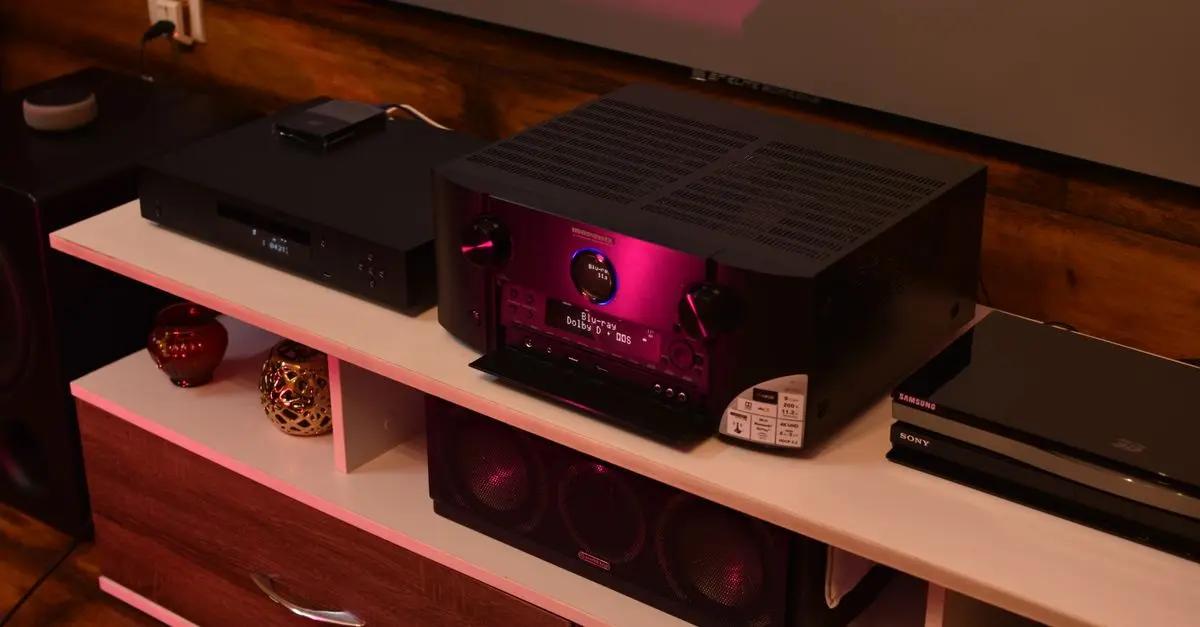
A HiFi system typically consists of several key components: a source (like a turntable or digital streaming device), an amplifier, and speakers. Each part plays a specific role in the sound reproduction chain.
- Source: This could be a turntable, a CD player, or a digital streaming device. Make sure the source you choose is compatible with your audio formats. Digital devices often support various streaming services, which can be a significant advantage.
- Amplifier: The amplifier boosts the audio signal to your speakers. Look for an amplifier that matches your speakers' impedance and power requirements to ensure optimal sound performance.
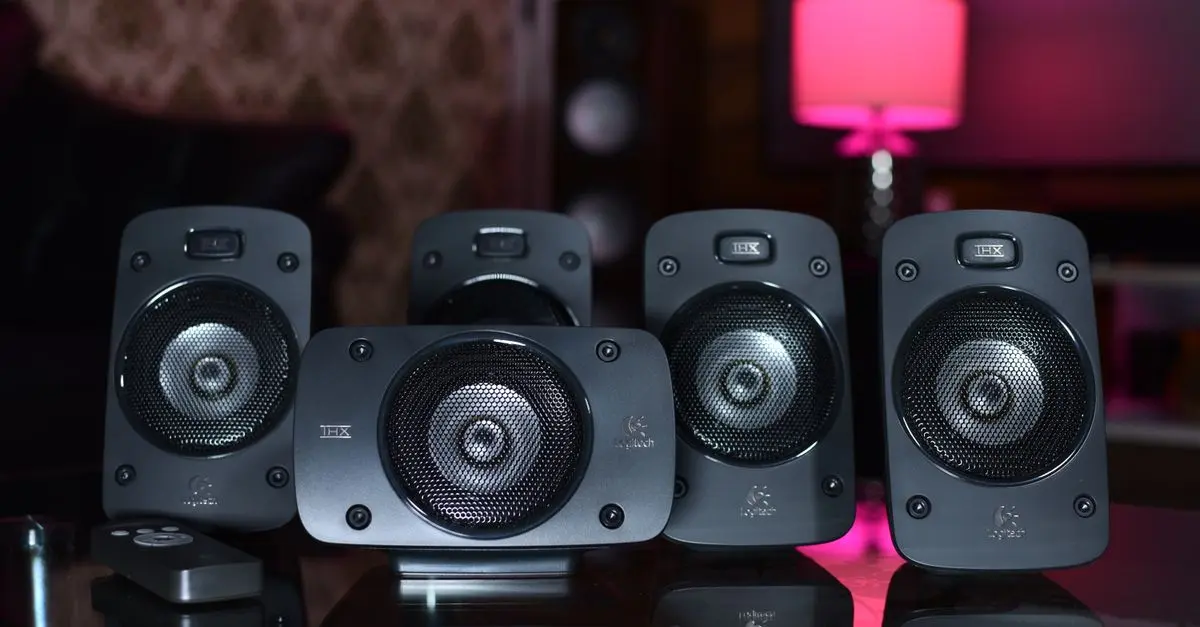
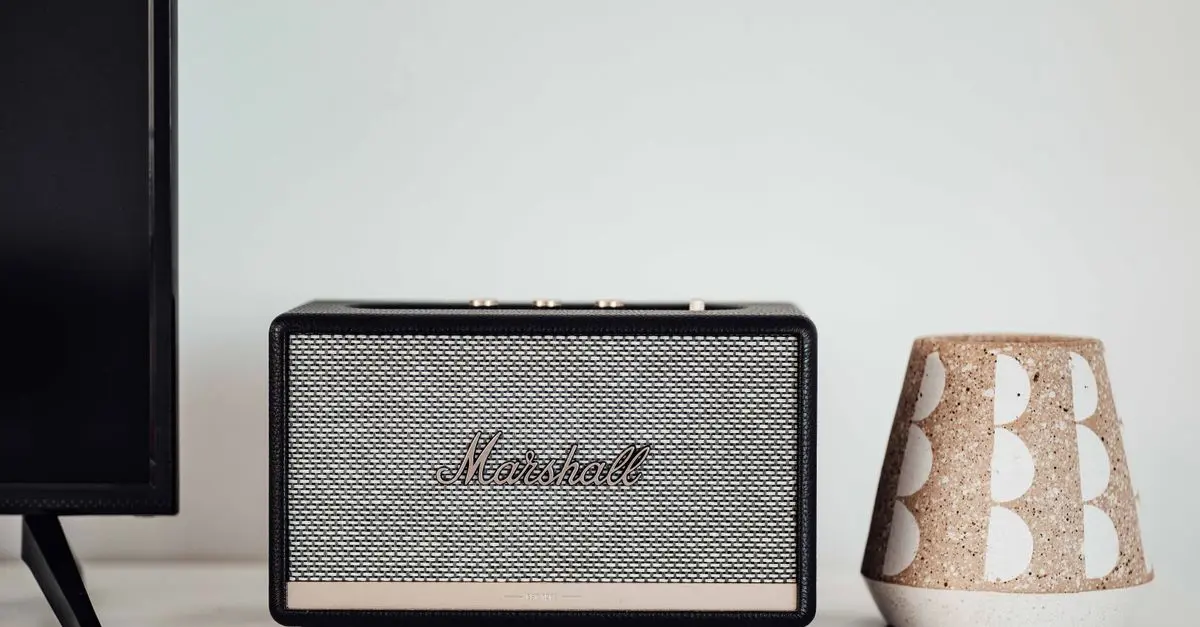
- Speakers: These are crucial because they directly impact the listening experience. Consider speaker size, power handling, and placement. Additionally, speaker type matters—floor-standing speakers may provide better bass and volume, while bookshelf speakers are great for smaller spaces.
Selecting the right combination requires some research and possibly listening tests. According to What HiFi, listening before buying is vital as personal taste plays a large role in perceived sound quality.
4. Research and Compare Options
After identifying your needs and setting a budget, dive into research. Check out reviews, ratings, and comparative tests. Websites like CNET and TechRadar offer extensive reviews on the latest HiFi systems. Don't just rely on manufacturer claims; consider user reviews and expert opinions. Focus on comparisons as well—how does one system stack up against another? A comparative analysis helps illuminate strengths and weaknesses, allowing for better decision-making. Here is a quick comparison of HiFi components based on general user preferences:
| Criterion | Option A | Option B | Option C | Verdict |
|---|---|---|---|---|
| Sound Quality | High | Medium | High | A and C preferred |
| Ease of Use | Medium | High | Low | B is the easiest |
| Price | $500 | $300 | $700 | Consider C for quality |
| Size | Small | Medium | Large | B is most versatile |
6. Review Post-Purchase Considerations
Once you’ve purchased your HiFi system, consider the intended placement and setup. Proper placement can dramatically improve sound quality; speakers should not be too close to walls to avoid distortion. Cord management and aesthetic appeal are important too, as a clean setup enhances the viewing/listening experience. Also, consider extended warranties or insurance for high-value items; sound equipment can be an investment requiring protection.
💡 Expert Opinion: Ensuring proper configuration is just as important as the components you choose. Tight speaker setups can lead to sound that feels cluttered or muddy.
✅ Checklist before Purchase
- [ ] Determine audio needs and preferences
- [ ] Set a realistic budget
- [ ] Identify desired components
- [ ] Research and compare systems
- [ ] Test before purchasing
- [ ] Plan for proper setup and positioning
📺 Video Resource
📺 For more guidance: Understanding the HiFi System Components, a comprehensive look at each component's role. Search on YouTube for: how to choose a HiFi system 2026.
Glossary
| Term | Definition |
|---|
| HiFi | High fidelity sound, characterized by the reproduction of audio that is faithful to the original recording.
| Amplifier | A device that increases the amplitude of audio signals, allowing sound to be produced at higher volumes without distortion.
| Speaker | The component that converts electrical energy into sound, critical in determining sound quality in audio systems.
📺 Pour aller plus loin : how to choose a HiFi system 2026 sur YouTube
Recommended products
Selected by our experts
Smart Caregiver Complete Bed and Chair Exit Monitoring System
concordhealthsupply.com
Top Demand Picks GD7 PRO Router Lift For 65mm 69mm Wood Router, Precision Woodworking Lift System For Router Table Set Up With Aluminum style 2
inspireuplift.com
Top Demand Picks GD7 PRO Router Lift For 65mm 69mm Wood Router, Precision Woodworking Lift System For Router Table Set Up With Aluminum style 1
inspireuplift.com
EILEEN FISHER System Lightweight Viscose Jersey Slim Tank White female size:2X
eileenfisher.com
EILEEN FISHER System Lightweight Viscose Jersey Crew Neck Shell Black female size:2X
eileenfisher.com