Table of Contents (14 sections)
In the world of audiophiles, HiFi audio techniques are not merely preferences; they are a passion. The art of HiFi audio is about maximizing the potential of your listening equipment to achieve the best sound quality. This guide will explore several essential techniques that every audiophile should master to enhance their audio experience.
Understanding HiFi Audio Technology
Understanding the fundamentals of HiFi audio technology is crucial. HiFi stands for high fidelity, indicating the reproduction of sound that is very faithful to the original recording. High-fidelity sound systems create experiences that mirror live performance, delivering music as intended by artists and producers.
The Importance of Equipment
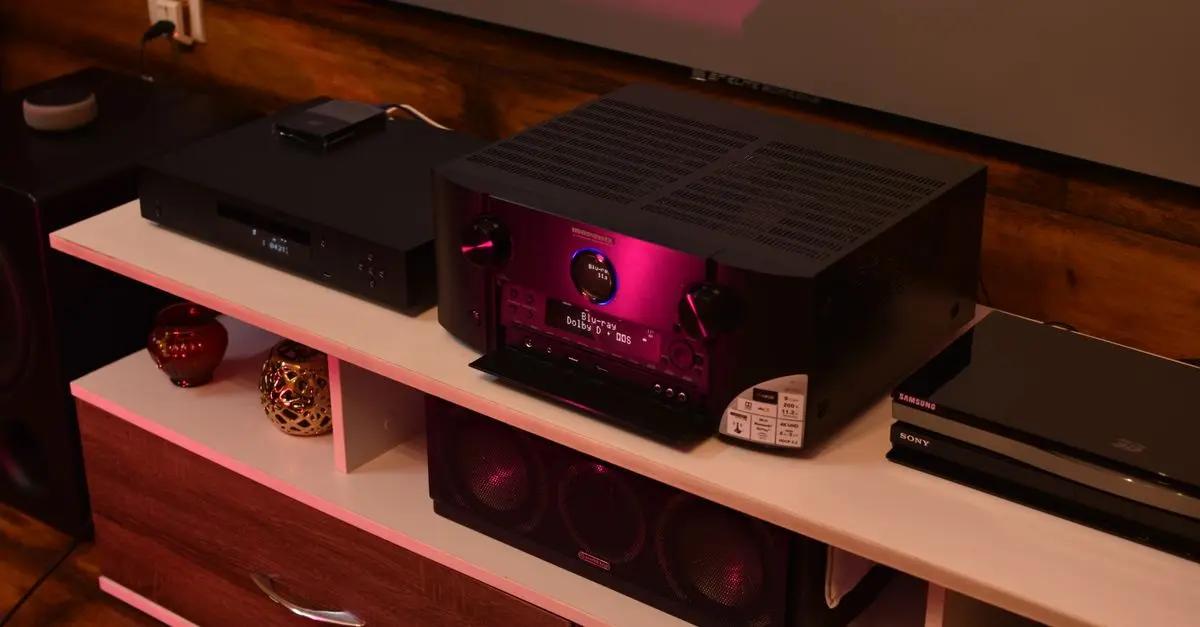
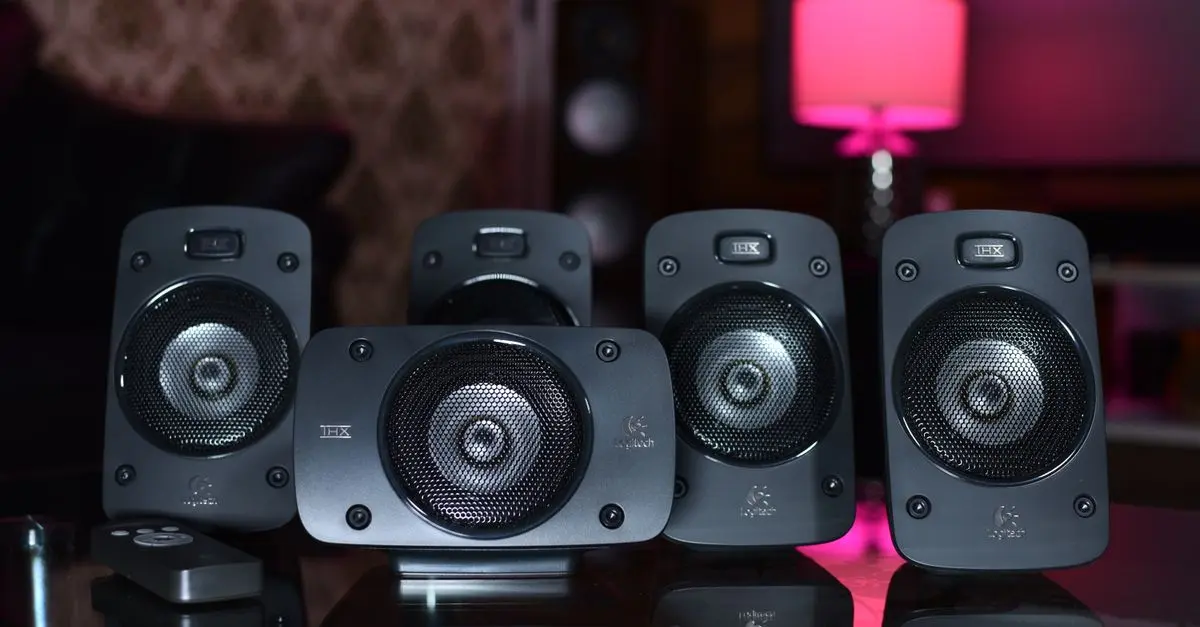
First and foremost, equipment matters. Investing in quality equipment is crucial for achieving high-fidelity sound. Items like speakers, headphones, and DACs (Digital-to-Analog Converters) are essential. According to studies from UFC-Que Choisir, using high-quality gear can result in a 30% increase in perceived audio clarity, making it an investment worth considering.
When selecting equipment, consider not just the price tag but also your personal sound preferences. What one audiophile loves, another may not. For this reason, it’s essential to test speakers and headphones before making a purchase, as comfort and sound quality can vary dramatically.
Step-by-Step Techniques to Enhance Your HiFi Experience
Here’s a straightforward guide to mastering HiFi audio techniques:
1. Room Acoustics — Optimize Your Spaces
The first step in elevating your HiFi audio experience is to address room acoustics. The shape and materials of your room can significantly impact sound quality. Hard surfaces can create unwanted echoes, while soft furnishings help absorb sound.
- Tip: Position speakers away from walls and place acoustic panels strategically to counteract reflections.
- Common Mistake: Don’t place speakers directly in corners; it can produce mudded sound.
2. Speaker Placement — Get it Right
Getting the placement of your speakers right is crucial for optimal sound output.
- The equilateral triangle method is a popular technique where the speakers and the listening position form an equilateral triangle. According to research, this method enhances stereo imaging by up to 40%.
- Experiment with distances and angles until the sound stage feels right.
3. Cables and Connections — Choose Wisely
Your cables matter! Using high-quality speaker cables can make a difference in sound quality. Analog connections are preferred for many audiophiles, as they tend to offer a warmer sound.
- Pro Tip: Avoid long cable runs when possible, as this can lose signal quality.
- Common Pitfall: Always ensure that connections are clean and secure; oxidation can lead to distorted sound.
4. Source Quality — Start with High-Resolution Audio
Using high-quality recordings is essential. Streaming services that provide lossless formats (like FLAC or ALAC) should be your priority. The difference in sound quality is often noticeable.
- Stat: A study by 60 Millions de Consommateurs shows that high-resolution audio can provide a sound quality increase of 80% compared to standard MP3 formats.
- Ensure your source files are of the highest resolution available.
5. Calibration — Fine-tune for Perfection
Consider investing in a calibration microphone to adjust your system settings perfectly. Software and apps are often available to analyze your room’s acoustics and suggest adjustments.
- Expert Insight: Regular calibration, especially after moving equipment, can help maintain sound quality.
6. Listening Sessions — Enjoy and Evaluate
Finally, the art of listening cannot be underestimated. Schedule dedicated listening sessions where you can enjoy music without distractions. Take notes on the differences you hear when making equipment changes.
- Use reference tracks that you know well. This will help you identify subtleties and weaknesses in your setup.


Comparison Table of Essential HiFi Equipment
| Equipment Type | Entry-Level Option | Mid-Range Option | High-End Option | Verdict |
|---|---|---|---|---|
| Speakers | Bookshelf speakers | Floor-standing | Studio monitors | Good for starters, but upgrade for better quality |
| Headphones | On-ear models | Over-ear models | Closed-back | Entry-level headphones can affect sound quality |
| DAC | Basic DAC | High-end DAC | Streaming DAC | Invest here for the biggest impact |
HiFi audio techniques 2026.
Glossary
| Term | Definition |
|---|---|
| DAC | Digital-to-Analog Converter, essential for audio output. |
| FLAC | Free Lossless Audio Codec, a lossless audio format. |
| Impedance | Resistance a speaker presents to amplifier, affecting performance depending on the setup. |
Checklist before purchase
- [ ] Evaluate room acoustics.
- [ ] Test different speaker placements.
- [ ] Choose high-quality cables.
- [ ] Strictly use high-resolution audio files.
- [ ] Regularly calibrate your system.
🧠 Quick Quiz: What is HiFi audio?
- A) High fidelity sound reproduction.
- B) Musical genre.
- C) A type of recording device.
Answer: A — HiFi refers to the high fidelity of sound ideally mimicking live audio performance.
By mastering these techniques, you'll enhance not just your equipment’s performance but also the overall joy of your listening experience. Dive into the world of HiFi audio and discover the profound impact of sound quality on your life.
To explore suitable products to complement your HiFi journey, check our recommendations below.
📺 Pour aller plus loin : HiFi audio techniques 2026 sur YouTube
Recommended products
Selected by our experts


Night Owl - Add_On 2-Camera Deterence 2K Security Camera with 2-Way Audio - White
bestbuy.com
Night Owl - Add_On 2-Camera Deterence 2K Security Camera with 2-Way Audio - White
bestbuy.com