Table of Contents (11 sections)
The audio landscape has transformed dramatically over recent years, particularly with the advent of wireless HiFi audio technologies. This shift reflects broader trends towards convenience and quality in media consumption. Today, we're diving deep into the emerging trends of 2026 that are shaping the realm of wireless HiFi audio.
Understanding Wireless HiFi Audio
Wireless HiFi audio refers to high-fidelity sound reproduced via a wireless connection, often utilizing technologies such as Bluetooth, Wi-Fi, or proprietary systems. The aim is to deliver audio quality that meets or exceeds traditional wired systems without the clutter of cables.
The appeal lies in its flexibility; users can connect multiple devices—phones, tablets, or computers—to play music without the hassle of plugs and sockets. Furthermore, as the demand for high-quality audio streaming grows, so does the expectation for seamless connectivity and superior sound quality.
In recent years, brands like Sonos and Bowers & Wilkins have led innovations, offering products that support multiple streaming services and voice assistants, catering to the tech-savvy consumer's desire for comprehensive solutions. Various platforms, such as Tidal and Qobuz, have also begun supporting high-resolution audio formats, making it easier than ever to access an extensive library of music in high fidelity.
Trend 1: Adoption of High-Resolution Audio Streaming
High-resolution audio streaming is gaining traction, with services adopting formats that support higher bitrates and sampling rates. For instance, Tidal recently reported a 20% increase in subscribers opting for their HiFi and Master tiers, showcasing a growing consumer appetite for superior audio quality. Studies indicate that consumers are willing to pay a premium for better sound, making this a pivotal trend in the industry.
Notably, high-resolution playlists are becoming popular among audiophiles, further driving the demand. As technology continues to advance, we can expect more platforms to integrate high-res options. An analysis by NPD Group projected that high-res audio services could attract 40% more subscribers by 2028, indicating a substantial market shift.
Trend 2: Integration with Smart Home Systems
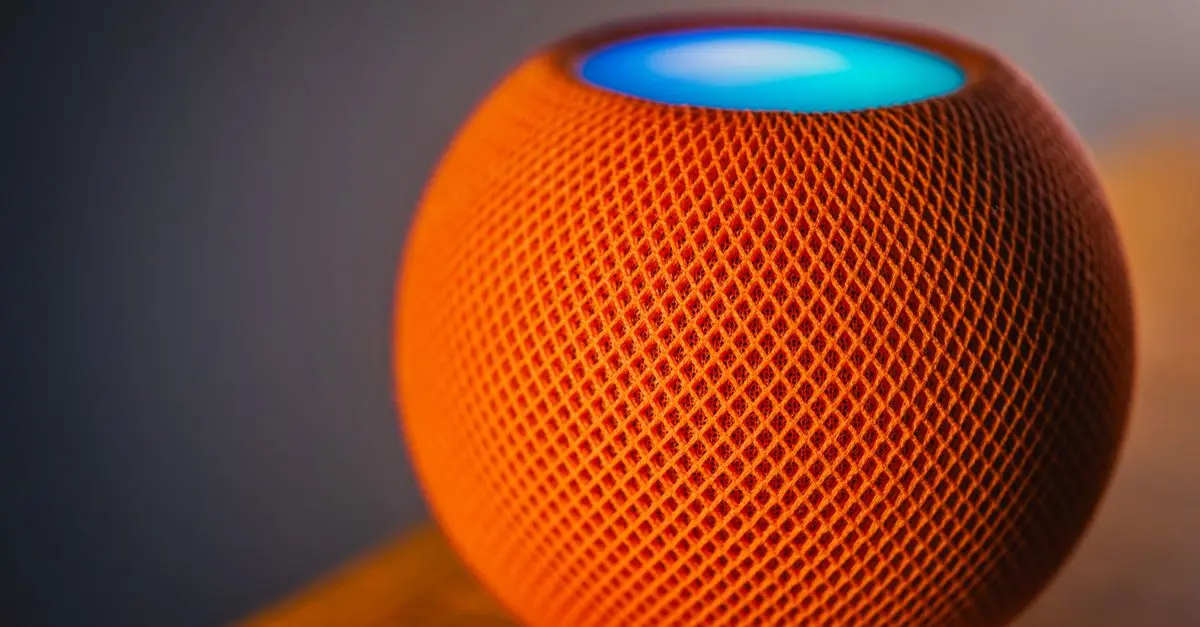
The integration of wireless HiFi audio systems with smart home technologies is a trend that cannot be overlooked. As smart home devices proliferate, consumers seek audio solutions that seamlessly connect with their ecosystems. Brands like Google Nest and Amazon Echo have revolutionized how consumers approach sound systems, allowing users to control music through voice commands and integrating their audio systems with home automation.
For instance, smart speakers are being enhanced to support immersive audio formats, allowing users to experience spatial sound in their living rooms. Furthermore, research indicates that 70% of consumers who own smart speakers also use them to control audio systems, highlighting the synergy between smart home technology and wireless audio solutions. This trend suggests a future where every room in a home can embody high-fidelity sound tailored to individual preferences.
Trend 3: Expansion of Bluetooth Technology
Bluetooth technology continues to evolve, offering improved stability and sound quality for wireless audio. The introduction of Bluetooth 5.2 has ushered in features like LE Audio, which permits higher-quality audio streaming over Bluetooth, improving user experiences significantly.
Statistics show that Bluetooth audio devices are projected to dominate 80% of the wireless audio market by 2026. Companies manufacturing headphones and portable speakers are prioritizing Bluetooth compatibility and enhancements, ensuring a smooth experience for users.
For example, the adoption of aptX Adaptive technology enables devices to adjust audio quality based on the user's environment, optimizing performance dynamically. As these developments unfold, we anticipate further growth and refinements in Bluetooth audio technology.
Trend 4: Rise of Multi-Room Audio Streaming
Multi-room audio systems are on an upswing, allowing users to enjoy synchronized sound across various rooms. The capability of playing different audio sources in different rooms or the same audio source in multiple locations uplifts the listening experience considerably. Popular systems like Sonos allow for easy management of multi-room setups through user-friendly applications.
As more consumers appreciate the convenience of controlling their home audio from a central device, the multi-room trend will continue to grow. According to Statista, the market for multi-room audio systems is expected to expand to over $1.5 billion by 2028. Smart technology integration plays a critical role, enhancing user satisfaction and engagement across the board.
Trend 5: Environmental Considerations in Audio Design
With growing environmental concerns, manufacturers are now focusing on sustainability in their audio products. Consumers are increasingly interested in eco-friendly materials and energy-efficient designs. Brands like Bang & Olufsen have taken substantial steps to source sustainable materials for their products, utilizing recycled plastics and eco-friendly packaging.
Moreover, the trend towards portable and rechargeable audio devices reduces battery waste compared to traditional options. Research from Gartner indicates that 65% of consumers prefer buying products from brands with proven sustainable practices. Brands that embrace sustainability not only appeal to ecologically conscious consumers but also gain a competitive advantage in an increasingly crowded marketplace.
📺 For further insight:
Would you like to understand the latest in wireless HiFi audio trends? Search for videos like "Latest Trends in Wireless Audio Technology 2026" on YouTube.
Comparison Table of Wireless HiFi Audio Trends
| Trend | Description | Impact on Users | Key Players |
|---|---|---|---|
| High-Resolution Streaming | Higher audio quality and better service | Enhanced listening experience | Tidal, Qobuz |
| Smart Home Integration | Syncing with home systems | Greater convenience | Google, Amazon |
| Bluetooth Advancements | Improved stability and audio quality | Better connectivity | Various manufacturers |
| Multi-Room Audio Streaming | Synchronized music throughout the home | Increased enjoyment | Sonos |
| Sustainable Design | Eco-friendly practices in production | Environmental impact | Bang & Olufsen |
Glossary
| Term | Definition |
|---|---|
| HiFi (High Fidelity) | Audio reproduction with minimal distortion and high sound quality. |
| Multi-Room Audio | Systems allowing audio to play in multiple rooms simultaneously. |
| LE Audio | Low Energy Audio, a Bluetooth audio technology enhancing audio quality and streaming. |
Checklist before Purchase
- [ ] Research high-resolution audio services
- [ ] Check compatibility with smart home systems
- [ ] Read reviews on Bluetooth stability
- [ ] Evaluate multi-room capabilities
- [ ] Assess sustainability of products
🧠 Quick Quiz: What is the primary benefit of high-resolution audio?
- A) Convenience
- B) Higher Quality Sound
- C) More Features
Answer: B — High-resolution audio offers superior sound quality compared to standard formats.
In conclusion, the landscape of wireless HiFi audio is ever-evolving, driven by user demands for convenience, quality, and sustainability. Keeping abreast of these trends will empower consumers to make informed decisions and elevate their listening experiences in 2026 and beyond.
Call to Action: If you're passionate about audio quality, start exploring these trends today—the future of music listening awaits!