Table of Contents (10 sections)
High-resolution audio formats are becoming increasingly popular among music enthusiasts and casual listeners alike. As technology evolves, the means of enjoying music has expanded, making it vital to understand the capabilities of high-resolution audio formats. These formats offer improved sound quality, a broader dynamic range, and a more immersive listening experience compared to standard audio formats like MP3 or CD audio. Let’s dive deeper into what high-resolution audio formats are, their benefits, and how they differ from traditional formats.
What Are High-Resolution Audio Formats?
High-resolution audio formats refer to sound file types that provide better audio quality than CD quality, which typically sits at 16 bits/44.1 kHz. Formats such as FLAC (Free Lossless Audio Codec), ALAC (Apple Lossless Audio Codec), and DSD (Direct Stream Digital) are examples of high-resolution audio formats. These formats preserve audio data in a way that allows for a more complete representation of the original sound.
The main distinction lies in the sampling rate and bit depth:
- Sampling Rate: The number of samples taken per second, typically higher in high-resolution formats.
- Bit Depth: The number of bits used for each audio sample, allowing for a wider dynamic range.
According to UFC-Que Choisir, high-resolution formats can sample up to 24 bits/192 kHz or beyond, leading to a listening experience closer to the original studio recording. This significant leap in audio fidelity is a game-changer for both casual listeners and audiophiles.
Creating the Perfect Listening Environment
To fully appreciate the advantages of high-resolution audio formats, it's essential to create a conducive listening environment. Here are some steps to achieve this:
1. Choose the Right Equipment
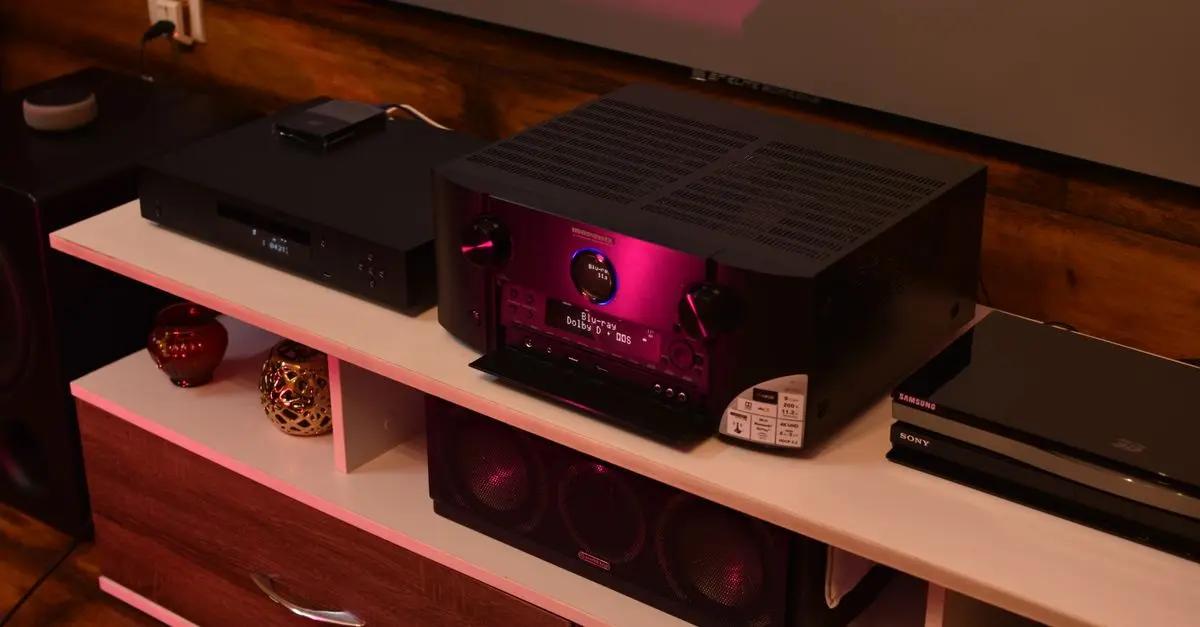
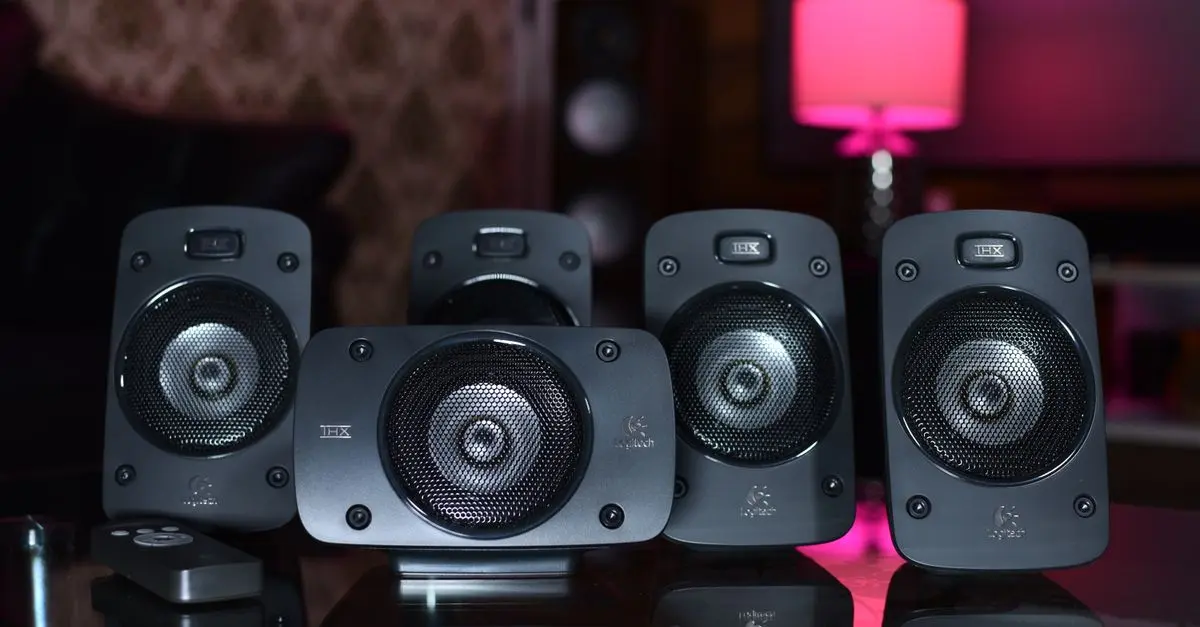
Investing in quality audio equipment is critical. High-resolution audio requires components that can decode and play high-resolution files effectively. Consider DACs (Digital-to-Analog Converters), high-quality headphones, and speakers designed for a wide frequency response.
2. Optimal Listening Position
Position your speakers or headphones for the best sound experience. Use speakers at ear level, and ensure they are symmetrical with respect to your listening position. A good acoustic environment will also enhance the high-resolution audio experience.
3. Use Quality Audio Sources
Selecting the right software or streaming service matters. Look for platforms that support high-resolution audio, such as Tidal, Qobuz, or Bandcamp, which offer files in FLAC or other suitable high-resolution formats.
Comparison of Audio Formats
Understanding the key differences between audio formats can help in making informed decisions about your listening experience. Here’s a comparative look:
| Audio Format | Bit Depth | Sampling Rate | Use Case |
|---|---|---|---|
| CD Audio | 16 bits | 44.1 kHz | Standard playback |
| FLAC | 16-24 bits | 44.1-192 kHz | Lossless audio preservation |
| ALAC | 16-24 bits | 44.1-192 kHz | Apple ecosystem compatible |
| DSD | N/A | 2.8-11.2 MHz | Audiophile applications |
Data-Driven Insights on High-Resolution Audio
A study by The Audio Engineering Society shows that approximately 30% of music listeners are aware of high-resolution audio formats, yet the majority shy away due to misconceptions about their benefits and costs. Moreover, Gartner reported that the market for high-resolution audio is anticipated to grow by 25% annually, as consumer demand for high-fidelity audio experiences rises. As these formats become more accessible, it is likely that they will continue to gain traction among consumers seeking premium audio quality.
Frequently Asked Questions (FAQ)
1. What is high-resolution audio?
High-resolution audio refers to sound formats that exceed the standard CD quality of 16-bit/44.1 kHz, offering improved sound fidelity and detail.
2. How can I listen to high-resolution audio?
You can listen to high-resolution audio using compatible hardware, such as digital-to-analog converters (DACs), and through streaming services like Tidal or Qobuz, which offer high-res options.
3. Why is high-resolution audio better?
High-resolution audio formats retain more audio information, producing clearer sounds and a wider dynamic range, thus enhancing the listening experience.
4. Do I need special equipment for high-resolution audio?
Yes, specialized high-quality equipment is recommended to fully experience the benefits of high-resolution audio formats. This includes DACs and high-fidelity headphones or speakers.
💡 Expert Opinion
> Our experience in the audio industry indicates that investing in high-resolution formats can significantly elevate your musical experience. We recommend trying out a few albums in high-res to truly appreciate the difference.
Glossary
| Term | Definition |
|---|---|
| FLAC | A lossless audio format that compresses audio files without losing quality. |
| DSD | Direct Stream Digital, a high-resolution audio format used in super audio CDs and streaming. |
| DAC | A Digital-to-Analog Converter; crucial for converting digital audio signals to analog for playback. |
Checklist before buying audio equipment
- [ ] Research high-resolution formats available.
- [ ] Assess audio equipment compatibility.
- [ ] Listen to sample tracks on high-res formats.
- [ ] Read reviews about DAC and headphones.
- [ ] Compare prices of audio files and equipment.
📺 Resource Video
> 📺 For further insights: Check out a detailed explanation of high-resolution audio formats, search on YouTube for: high-resolution audio formats explained.
📺 Pour aller plus loin : high-resolution audio formats explained sur YouTube