Table of Contents (18 sections)
In the realm of audio enthusiasts, HiFi audio control systems play a pivotal role, transforming how we experience sound. These systems are not merely tools; they are the central hubs that facilitate the interaction between various audio components, enabling users to tailor their listening experience meticulously. Over the years, advancements in technology have led to varied options available in the market, suited for different needs and preferences.
What are HiFi Audio Control Systems?
Definition and Purpose
At its core, a HiFi audio control system manages and enhances audio signals before they reach speakers or headphones. This may involve switching sources, adjusting volume, and controlling audio formats. The primary goal is to deliver sound quality that closely mirrors the original recording, allowing listeners to enjoy music as the artists intended.
These systems often incorporate multiple features such as room correction, equalization, and multi-zone control, making them integral in both casual and professional audio setups. As we delve into the different types available, it's crucial to appreciate the ongoing shift towards smarter systems that integrate with home automation technologies, allowing excellent user interfaces and significant control over audio environments.
Why Use a HiFi Audio Control System?
The reasoning behind investing in a HiFi audio control system is straightforward—sound quality and convenience. Traditional setups may require manual adjustments across various devices, leading to potential inconsistency in audio quality. Control systems eliminate this hassle, enabling seamless interaction across various components. Moreover, modern systems come equipped with advanced features such as streaming capabilities and remote access, which elevate user experience.
Types of HiFi Audio Control Systems
1. Integrated Amplifiers
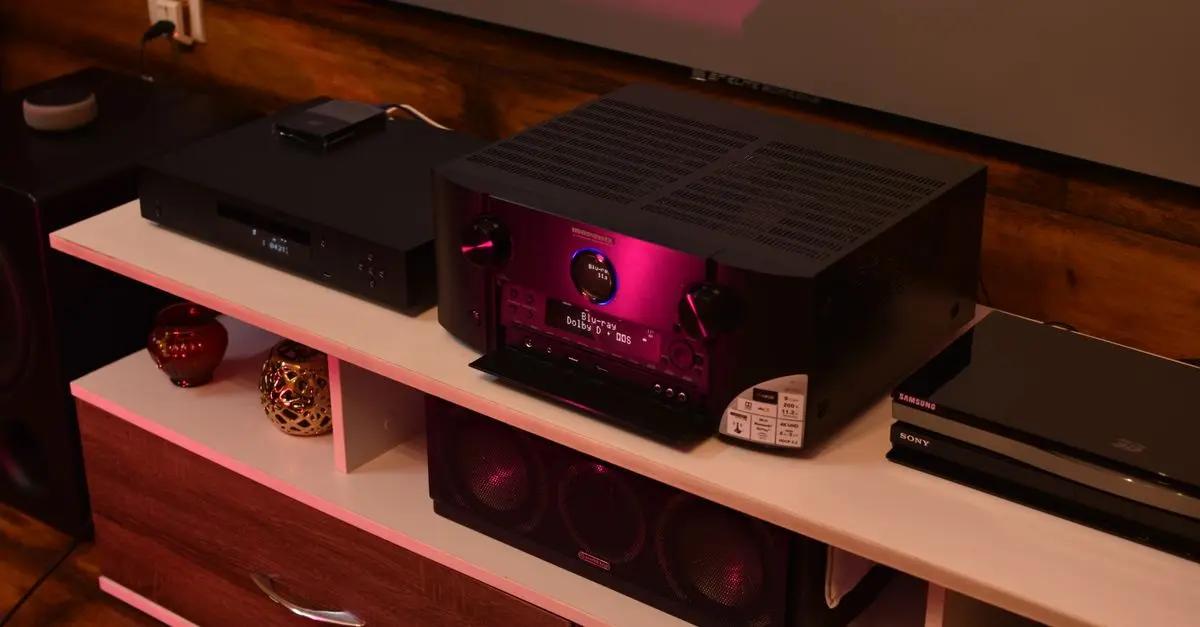
Integrated amplifiers combine both the amplifier and preamplifier functions into one unit. This option suits those seeking simplicity and compactness without sacrificing sound quality. They usually come with a range of input options and often include built-in DACs (Digital-to-Analog Converters) for digital sources, making them versatile components for any HiFi setup.
2. Preamplifiers
Dedicated preamplifiers serve as essential intermediaries between audio sources and amplifiers. They are crucial in setups where maximum audio fidelity is desired. A preamp can enhance weaker signals from sources like vinyl turntables, thus optimizing the output sound. This choice is appropriate for audiophiles who prioritize detail and clarity.
3. Digital Signal Processors (DSPs)
Digital Signal Processors have gained popularity for their ability to shape audio signals electronically. They allow users to execute functions like room correction and equalization, tailoring sound responses to the listening environment’s unique acoustics. The flexibility afforded by DSPs makes them indispensable for achieving high-quality sound in diverse spaces.
4. Network Audio Control Systems
These systems integrate streaming capabilities and are often part of smart home systems. They allow users to access a variety of audio sources—from local libraries to internet radio— all controlled through a single user-friendly interface. These systems typically offer remote access and can be managed via mobile applications, enhancing convenience for users.
| Type | Pros | Cons | Best For |
|---|---|---|---|
| Integrated Amplifiers | Compact, versatile | May lack some power for large rooms | General users, compact setups |
| Preamplifiers | High fidelity, signal enhancement | More components needed | Audiophiles, specialized setups |
| Digital Signal Processors | Flexibility, room correction | Requires technical know-how | Professional setups |
| Network Audio Control Systems | Streaming capabilities, smart integration | Potentially higher cost | Smart homes, modern users |
Emerging Trends
Recent trends reveal a rising interest in multi-room audio solutions, where users can control sound across various parts of a home. Additionally, integration with smart technologies, such as voice-activated assistants, has become a vital feature. According to a study by Nielsen, about 62% of households with audio systems are looking for enhanced connectivity and control features.

Atomos - Camera Remote Control Unit for A-Eye PTZ Cameras with 5-Inch LCD Screen
bestbuy.com

MEIZE - Kids Tablet,10.1 Inch Android Toddler Tablet with Case, 8GB RAM 64GB ROM Tableta, Parent Control, Kids Education Tablet - Blue
bestbuy.com
Expert Advice on Choosing a HiFi Audio Control System
Recommendations
When choosing a HiFi audio control system, it's crucial to consider factors like compatibility with existing equipment, ease of use, and the specific sound characteristics you aim to achieve. Test various models to identify how they affect sound quality in your environment. Additionally, ensure that the system supports all types of audio sources you plan to use, especially if you transition between analog and digital formats frequently.
💡 Expert Opinion: A well-rounded approach involves mixing components. For instance, weighing the benefits of a high-quality preamp with a robust integrated amplifier can yield an impressive sound that combines flexibility and audio fidelity. When testing different brands, consider system ergonomics and your usual listening lifestyle; ease of use is paramount.
Conclusion
In summary, the landscape of HiFi audio control systems is rich with diverse options catering to both casual listeners and dedicated audiophiles. By understanding the types available and leveraging the recent technological advancements, you can significantly enhance your listening experience at home.
Checklist before Purchase
- [ ] Assess compatibility with existing equipment
- [ ] Evaluate sound quality in your setup
- [ ] Check for streaming features
- [ ] Review user feedback and expert opinions
- [ ] Confirm ease of use and installation
Glossary
| Term | Definition |
|---|---|
| DAC | Digital-to-Analog Converter; a device that converts digital audio signals into analog form. |
| Signal Processing | Techniques used to manipulate audio signals to enhance or modify their characteristics. |
| Room Correction | Technology that optimizes speaker performance based on the acoustics of the room. |

MEIZE - Kids Tablet,10.1 Inch Android Toddler Tablet with Case, 8GB RAM 64GB ROM Tableta , Parent Control, Kids Education Tablet - Pink
bestbuy.com

FEONAL - 10.1 Inch Kids Tablet with Parental Control , 64GB ROM Android 13 Tablet for Child, Dual Camera, Android Tablet - Pink
bestbuy.com
📺 Resource Video
> 📺 To delve deeper: Understanding HiFi Audio Control Systems, a comprehensive analysis on YouTube: search for HiFi audio control guide 2026.
🧠 Quick Quiz: What is the main advantage of a Digital Signal Processor?
- A) Enhances bass response
- B) Allows for room correction
- C) Reduces equipment size
Answer: B — Room correction optimizes sound based on acoustic properties.
📺 Pour aller plus loin : HiFi audio control guide 2026 sur YouTube
Recommended products
Selected by our experts

VEVOR - Portable Refrigerator 37 Quart(35 Liter),12 Volt Refrigerator App Control(-4℉~68℉), Car Refrigerator Dual Zone
bestbuy.com
VEVOR Portable Refrigerator 23 Quart(22 Liter),12 Volt Refrigerator App Control(-4℉~68℉) - 23 Quart
bedbathandbeyond.com
COMMERCIAL CHEF 1.1 Cu Ft Microwave with 10 Power Levels, Countertop Microwave with Microwave Turntable and Digital Controls
bedbathandbeyond.com

SPT - 24 in. Front Control Built-In Tall Tub Dishwasher with 3rd Rack, 5 Cycles, 54 dBA, and Smart Wash - White
bestbuy.com