Table of Contents (11 sections)
Introduction
In the ever-evolving landscape of audio technology, HiFi audio technologies stand at the forefront of innovation. As we move through 2026, several key trends are emerging that promise to enhance the way we experience sound. From immersive audio systems to eco-friendly equipment, the next generation of HiFi technology is poised to redefine our auditory experiences. This article explores the most significant innovations in HiFi audio technologies and their impact on consumers and the industry.
The Rise of Immersive Audio Technologies
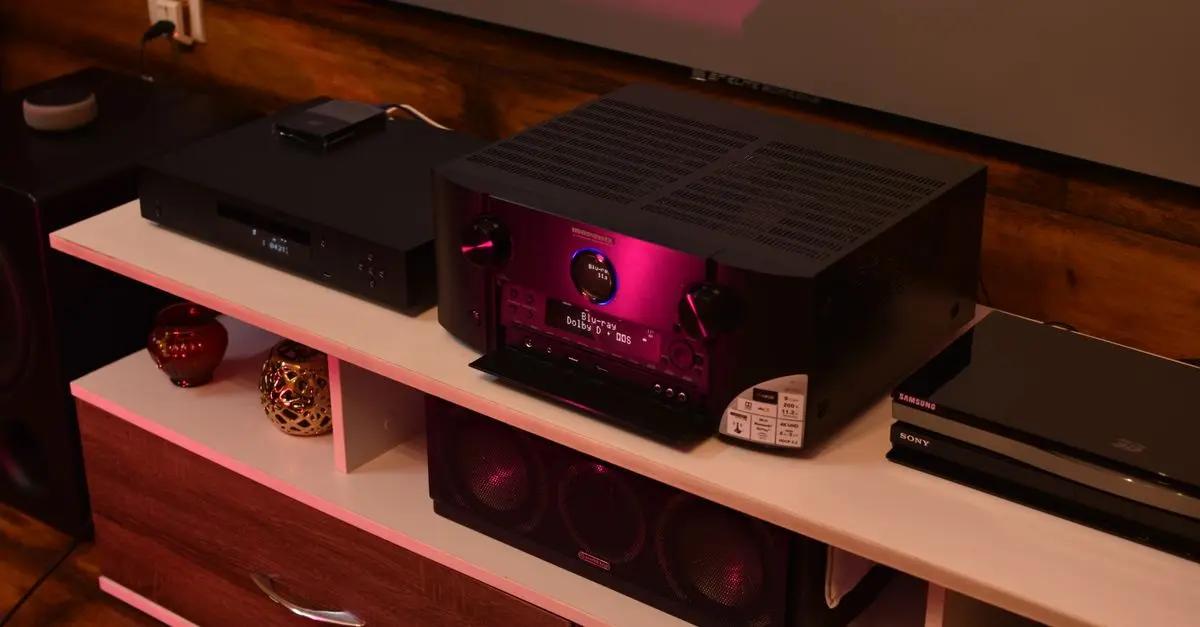
Immersive audio technologies have become increasingly prominent in recent years, driven by advancements in surround sound and spatial audio systems. Techniques like Dolby Atmos and DTS:X are revolutionizing audio playback by creating environments where sound seems to originate from all around the listener, rather than from just a few channels. According to a report by Technavio, the global market for immersive audio is expected to grow by over 25% by 2026, driven by demand in both home theater systems and streaming services.
These systems rely on object-based audio, which allows sound designers to place audio elements in a 3D space, thereby enhancing the overall experience and engaging listeners on a deeper level. As more content providers adopt these technologies, including streaming platforms and gaming companies, the push for better HiFi audio experiences is more crucial than ever. Consumers eager for heightened experiences will benefit greatly as more devices support these innovations.


Advancements in Wireless Audio Transmission
The advancements in wireless audio transmission technologies, particularly the development and implementation of Bluetooth 5.2 and Wi-Fi 6E, are transforming how we interact with audio devices. With these technologies, audio quality and connectivity are significantly improved, allowing for lossless transmission of high-definition audio without the clutter of wires. Enabling multi-room setups and enhancing versatility, these wireless audio solutions have become a favorite among consumers.
According to NPD Group, the sales for wireless audio devices have been rising steadily, accounting for over 60% of the audio market share in 2026. Companies are investing in improving the reliability and range of wireless systems, providing consumers with more freedom in how they enjoy their HiFi audio. Many premium audio brands are integrating these advancements in their new models, ranging from headphones to complete home audio systems, making it easier for users to experience high-quality sound in any setting.
Artificial Intelligence in Sound Engineering
Another significant trend shaping the future of HiFi audio technologies is the incorporation of artificial intelligence (AI) into sound engineering. AI algorithms can analyze and adjust sound in real time, ensuring users receive the best possible audio quality. AI is also playing a pivotal role in personalized listening experiences by analyzing user preferences and dynamically adjusting settings for optimal enjoyment.
For instance, companies are now deploying AI to enhance music mastering techniques, offering rapid adjustments that were previously impossible. Data from Gartner suggests that the application of AI in audio technologies will increase by more than 40% in the coming years, leading to innovations like AI-assisted audio mixing tools that can change the landscape for both novice and professional sound engineers alike.
Eco-Friendly Audio Equipment
As environmental consciousness grows globally, so does the demand for eco-friendly audio equipment. Consumers are now more interested in sustainable practices when choosing audio products. Many HiFi audio manufacturers are stepping up to the challenge by designing equipment that reduces energy consumption, utilizes recyclable materials, and emphasizes longevity.
For example, companies are now producing speakers crafted from recycled plastics and wood, while also exploring solar-powered options for outdoor audio systems. According to a report by Consumer Electronics Association (CEA), eco-friendly audio equipment sales are projected to see an uptick as more consumers prioritize sustainability in their purchases. This trend reflects a significant shift in the industry, as manufacturers must balance performance with environmental responsibility.
Augmented Reality in Audio Experiences
In 2026, augmented reality (AR) is also gradually integrating into HiFi audio experiences. Companies are experimenting with AR applications that overlay digital sound elements onto real-world environments, providing interactive sound functions. For example, users can experience music in entirely new ways by “placing” sounds in various locations around them using AR applications.
This trend opens a door to immersive audio experiences unlike anything we’ve seen before. Market experts from Statista predict that AR-integrated audio products are expected to double their market presence over the next three years as developers create applications that harness sound's spatial nature in unique ways. The synergy of AR and audio technology represents a significant milestone that can redefine personal audio consumption.


invisaWear Technologies Corporation Safety Classic Keychain - Gold Flower
sharperimage.com

Argon Technologies Inc., dba Klymit Rightline Gear Memory Foam Camp Pillow - Green - Large
sharperimage.com
Conclusion: The Future Is Here
In conclusion, the future of HiFi audio technologies is vibrant and full of promise. Innovations such as immersive audio technologies, wireless transmission improvements, AI integration, eco-friendly designs, and augmented reality applications significantly enhance how we engage with sound. As we head further into 2026, staying updated with the latest advancements will be essential for audiophiles eager to elevate their listening experiences. We encourage you to explore various products that align with these trends and take advantage of the revolutionary changes in the audio landscape.
💡 Expert Review: It's no longer just about having the best speakers; the integration of technology and sustainability will play a crucial role in future choices. Consider how sound is experienced, not just where it comes from.
🧠 Quiz rapide :
> Quel est l'impact de l'IA sur la technologie audio ?
> - A) Amélioration de la qualité sonore
> - B) Réduction des coûts
> - C) Augmentation de la production
> Réponse : A — L'IA est utilisée pour ajuster la qualité sonore en temps réel.
Checklist avant achat
- [ ] Rechercher des produits qui supportent le son immersif
- [ ] Vérifier la compatibilité avec des technologies sans fil
- [ ] Considérer des équipements écologiques
- [ ] Explorer des options avec intégration IA
- [ ] Évaluer si AR est une option intéressante
Glossaire
| Terme | Définition |
|---|---|
| Immersive Audio | Technologie qui crée une expérience sonore enveloppante via plusieurs sources. |
| Wireless Transmission | Méthode de transmission audio sans câble, souvent avec Bluetooth ou Wi-Fi. |
| Artificial Intelligence | Utilisation d'algorithmes pour analyser et améliorer les expériences audio. |
---
📺 Pour aller plus loin : 2026 trends in HiFi audio technology innovations sur YouTube
Recommended products
Selected by our experts