Table of Contents (19 sections)
Audio enthusiasts often refer to HiFi audio equipment as the holy grail of listening experiences. If you're new to this world, understanding its many facets can be overwhelming. This guide is designed to provide you with essential insights into HiFi audio, making it easy to navigate your choices and to enhance your sound experience.
1. What Is HiFi Audio Equipment?
HiFi, short for High Fidelity, refers to audio equipment designed to reproduce sound very faithfully to its original source. Unlike standard audio gear, which might compress or distort sound, HiFi audio systems prioritize clarity, detail, and a lifelike listening experience. At its core, HiFi audio captures the nuances of music, allowing listeners to engage with the artistry of sound.
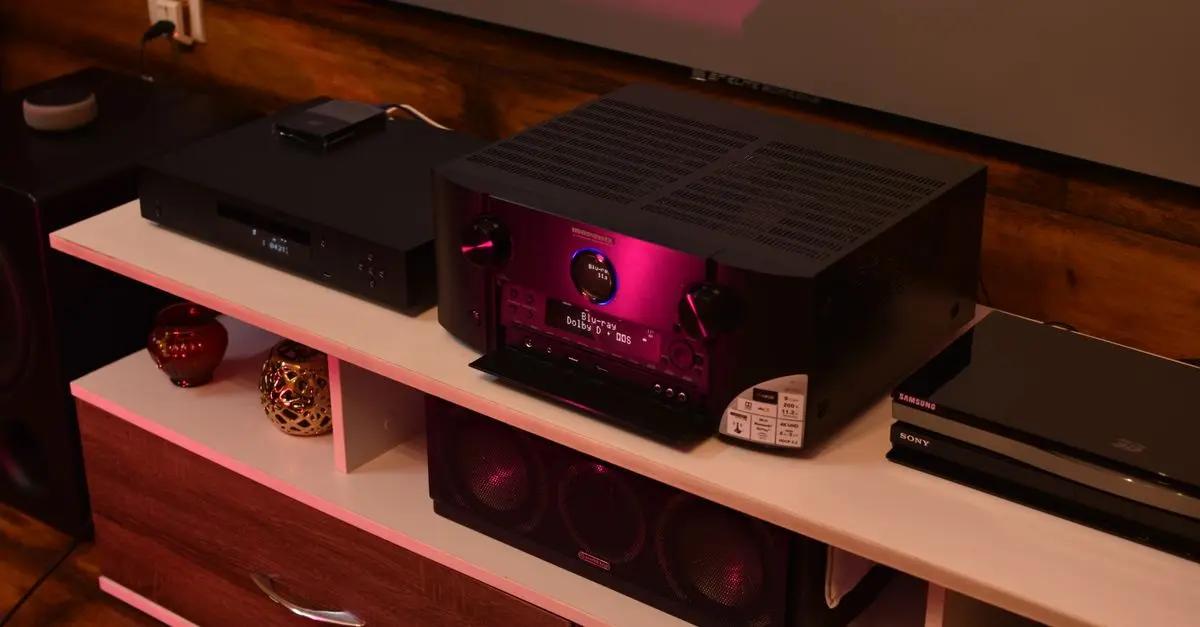
Historically, HiFi components have included specialized speakers, amplifiers, DACs (Digital-to-Analog Converters), and headphones, all engineered to provide superior audio reproduction. This equipment goes beyond mere amplification; it seeks to encapsulate the original dynamics and tonalities of the audio source. This endeavor for authenticity is what drives many audiophiles to invest in HiFi gear.
Understanding the market for HiFi equipment means knowing its various aspects, including the types of components you need, their functionalities, and how they work together. As a beginner, it can be daunting to decipher technical jargon, but knowledge is your best ally in selecting the right HiFi system.
2. Steps to Choose the Right HiFi Audio Equipment
Step 1: Assess Your Listening Environment
Before diving into the world of HiFi audio equipment, take stock of your listening environment. The space where you'll use your audio setup significantly influences sound performance. Consider dimensions, wall materials, flooring, and even furniture placement.
- Room Size: Larger rooms may require more powerful speakers to fill the space, while smaller rooms can benefit from compact systems.
- Furniture Arrangements: Furniture can absorb or reflect sound; soft furnishings will muffle audio, while hard surfaces can create echoes. It's often recommended to have your listening position at least two feet away from walls to avoid sound distortion.
- Acoustic Treatments: Professional setups might invest in acoustic panels and diffusers to control sound reflections and achieve a balanced audio environment.
Step 2: Define Your Audio Preferences
Consider what you primarily listen to: classical music, rock, jazz, or hip-hop? Different genres often require different audio equipment characteristics. For instance, classical music lovers may prioritize a rich midrange, while electronic music enthusiasts might look for impactful bass response. Evaluate the characteristics that resonate with your listening preferences and prioritize them during your equipment selection.
Step 3: Start with Core Components
When beginning your HiFi journey, focus on core components:
- Source: This could be a digital music player, vinyl turntable, or CD player, providing audio tracks.
- Amplifier: Essential for boosting the audio signal to drive your speakers. Integrated amplifiers combine both the amp and the preamp in one unit, simplifying setup.
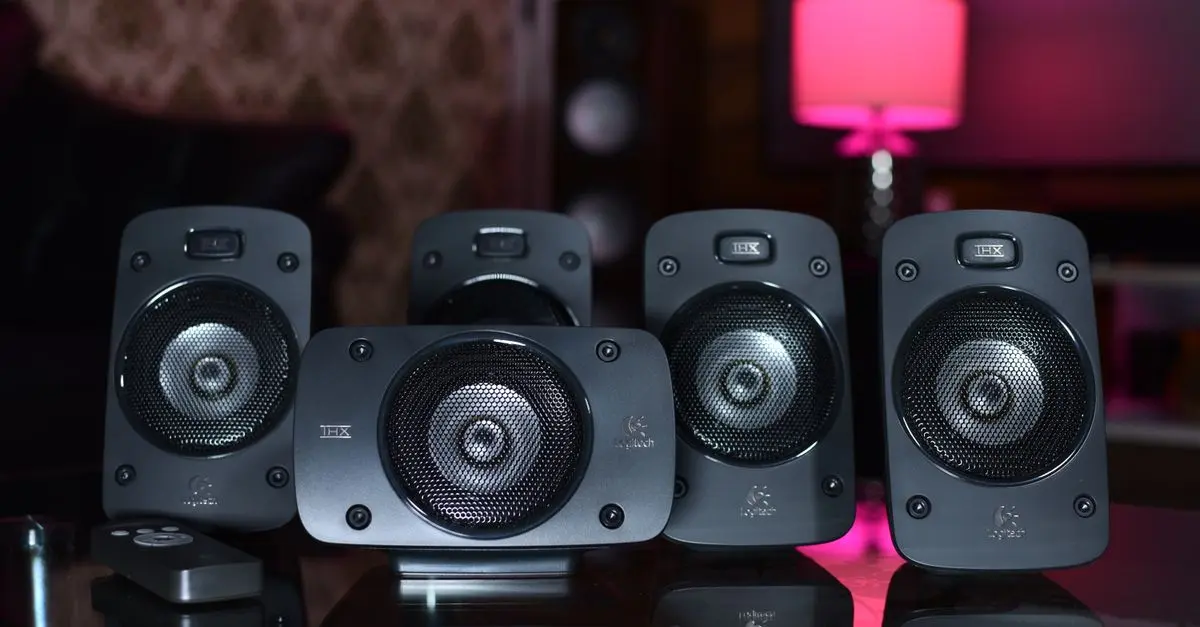
- Speakers: Choose between bookshelf and floorstanding options, depending on your space and listening habits.
Step 4: Explore Headphones and Additional Accessories
For many beginners, headphones represent a more accessible entry point into HiFi audio. High-quality headphones can deliver immersive experiences without necessitating a full-fledged setup. Look for open-back headphones for a more spacious soundstage or closed-back models for enhanced isolation.
Additionally, don’t overlook accessories such as cables, speaker stands, and power conditioners, which can impact overall sound quality.
Step 5: Set a Budget
Establishing a budget can help narrow down your choices. HiFi audio equipment prices can range drastically; understanding how much you're willing to invest helps streamline your options. Remember, spending a higher amount doesn’t always translate to better sound quality—look for value in components that meet your specific needs.
Step 6: Research and Read Reviews
Commit to researching different models, and consult resources that review audio equipment. Websites that specialize in audio gear offer valuable insights and user feedback. Look for reviews from specialists and consider user opinions—this information can guide your selection process.


3. HiFi Audio Equipment vs Standard Audio Equipment
| Feature | HiFi Audio Equipment | Standard Audio Equipment | Verdict |
|---|---|---|---|
| Sound Quality | High detail, clarity | Average sound reproduction | HiFi Wins |
| Build Quality | Rugged, often premium | Functional, basic builds | HiFi Wins |
| Customization | Highly customizable | Limited options | HiFi Wins |
| Price | Higher investment | More budget-friendly | Depends on Budget |
4. Recent Trends in HiFi Audio Equipment
Throughout recent years, the HiFi audio market has embraced numerous advancements. According to a report by Frost & Sullivan, the global HiFi audio market is expected to grow by 18% by 2026. This trend stems from evolving consumer preferences towards high-quality audio, especially in a world where streaming services have made high-fidelity audio more accessible.
Further, wireless HiFi systems have gained traction. Many manufacturers have integrated streaming capabilities into their equipment, allowing users to stream directly from their devices without sacrificing audio quality. However, be aware of potential latency issues that could affect the immersive experience.
Additionally, sustainable components are becoming favorable among eco-conscious consumers. Brands like Naim Audio and Focal promote responsible sourcing, driving a shift toward environmentally-friendly practices in HiFi construction and distribution.
5. FAQs about HiFi Audio Equipment
Q1: What is the best HiFi audio equipment for beginners?
A: It depends on your preferences, but starting with a solid integrated amplifier and a pair of quality speakers is advisable.
Q2: Do I need a dedicated listening room for a HiFi setup?
A: A dedicated room can enhance your audio experience, but you can also achieve good results in a living space with careful planning.
Q3: How can I improve sound quality without major upgrades?
A: Simple adjustments, like speaker placement, room acoustics, and quality interconnect cables, can make a significant difference.
Q4: Is wireless HiFi audio reliable?
A: Yes, modern wireless technology offers high-fidelity audio, but ensure your equipment is compatible and supports high-quality audio codecs.
📺 Resource Video
> 📺 For more insights: Exploring HiFi Audio for Beginners, a comprehensive introduction to key components and how to start your audio journey. Search on YouTube:
> beginner HI-FI audio setup 2026.

Soozier Adjustable Steel Seated Calf Raise Exercise Strength Training Gym Equipment, Yellow
aosom.com
Checklist Before Purchase
- [ ] Assess your listening environment
- [ ] Define audio preferences and genres
- [ ] Choose core components carefully
- [ ] Explore headphones for portable listening
- [ ] Set a realistic budget
- [ ] Research models and reviews thoroughly
Glossary
| Term | Definition |
|---|---|
| DAC | Device converting digital audio signals to analog. |
| Amplifier | Equipment that increases audio signal power. |
| Speaker | Device that converts electrical energy back into sound. |
With this comprehensive guide, you should feel better equipped to navigate the exciting terrain of HiFi audio equipment. Your listening experience is only as good as the setup you choose—invest time in learning and ensure you select components that align best with your personal audio journey. Explore our recommended products below to get started on your HiFi adventure!
📺 Pour aller plus loin : beginner HI-FI audio setup 2026 sur YouTube
Recommended products
Selected by our experts


Night Owl - Add_On 2-Camera Deterence 2K Security Camera with 2-Way Audio - White
bestbuy.com