Table of Contents (13 sections)
What is Digital and Analog Audio?
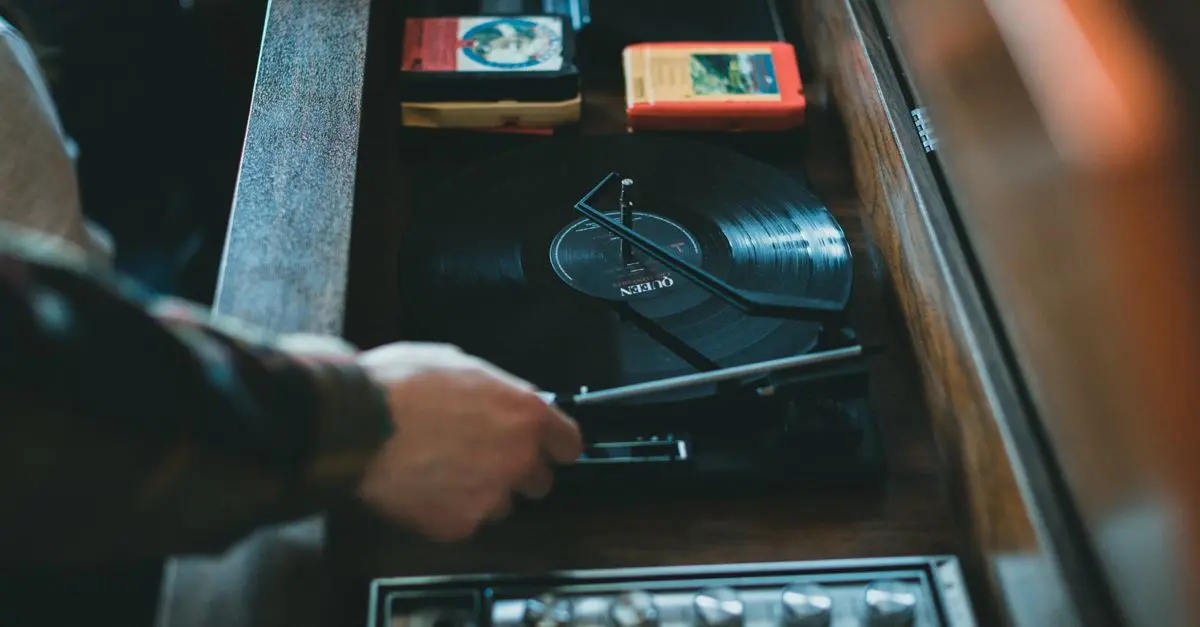
Digital and analog audio represent two fundamental approaches in audio recording and playback. Analog audio refers to sound that is captured in a continuous wave format, representing variations in sound pressure. Examples of analog sound include vinyl records and cassette tapes. The sound waves from these formats are tangible and maintain their natural acoustic nuances, appealing to many audiophiles for their warm, full-bodied sound.
In contrast, digital audio is characterized by the conversion of sound waves into discrete numerical values, effectively digitizing the audio signals. This conversion facilitates easier storage, reproduction, and dissemination of music and other audio. Formats such as MP3, WAV, and FLAC are prime examples of digital audio formats, enabling vast libraries of music to be stored on compact devices.
The choice between digital and analog audio often comes down to personal preferences regarding sound quality, convenience, and the intended use. As of 2026, both formats continue to thrive, each appealing to different demographics and listening contexts. Understanding these foundational principles is key to exploring the sonic universe further.
How Digital and Analog Audio Work
The fundamental difference in how digital and analog audio systems function can significantly impact audio quality and user experience. Analog audio operates on a straightforward principle: sound waves are recorded on a physical medium through mechanical means. For instance, in a vinyl record, grooves physically represent the sound waves. When a needle runs over these grooves, vibrations are transmitted to a speaker, resulting in audible sound.
By contrast, digital audio technology breaks down sound into bits and bytes through sampling. A microphone captures the sound wave, and an analog-to-digital converter samples this wave at specific intervals (measured in Hertz). For example, CD-quality audio is sampled at 44.1 kHz, meaning it captures 44,100 samples of audio per second. This process encodes the data into formats, enabling them to be easily manipulated, transmitted, or stored on digital devices.
The nuances of these processes lead to strengths and weaknesses for each type of audio. Digital audio excels in convenience and scalability, with easy access to vast libraries and superior durability in playback. However, analog enthusiasts argue that digital audio lacks the warmth and depth of sound found in traditional analog formats, as it's subject to the limitations of quantization and compression technologies. Each method has its merits, making it important for users to identify their priorities in audio quality.

Contixo - KC3 Kids Camera, 1080P Video Camera, Selfie Camera for Boys Girls, Kids Digital Camerawith Puzzle Games - Blue
bestbuy.com

Contixo - KC3 Kids Camera, 1080P Video Camera, Selfie Camera for Boys Girls, Kids Digital Camerawith Puzzle Games - Pink
bestbuy.com

Contixo - KC3 Kids Camera, 1080P Video Camera, Selfie Camera for Boys Girls, Kids Digital Camerawith Puzzle Games
bestbuy.com
Comparing Digital vs Analog Audio
To get a comprehensive view of the differences between digital and analog audio, a direct comparison can illuminate the strengths and weaknesses of each format. Below is a comparison table:
| Criterion | Digital Audio | Analog Audio | Verdict |
|---|---|---|---|
| Sound Quality | Can be compressed, sometimes less warmth | Rich, full sound with natural harmonics | Depends on preference |
| Storage | Requires digital storage, limitless size | Physical media takes space, limited to format | Digital wins for convenience |
| Durability | Resistant to damage from scratches | Prone to wear and degradation over time | Digital is more durable |
| Accessibility | Easy access to vast libraries through streaming | Limited music availability, requires physical purchase | Digital offers greater accessibility |
Statistics and Trends in the Audio Market
As the audio market evolves, it's informative to look at recent statistics that reflect the changing dynamics between analog and digital audio formats. According to recent market analysis conducted in 2026, digital music platforms account for 85% of total music sales in the United States, with streaming services leading the market. This demonstrates a significant shift away from physical formats, including vinyl and cassettes, which account for only a small fraction of overall sales.
Interestingly, vinyl records have experienced a revival among certain demographics, notably collectors and audiophiles. Sales of vinyl records have grown by over 30% year-over-year from 2020 to 2026, indicating a strong trend of nostalgia and appreciation for the listening experience that analog provides. Vinyl's resurgence highlights the ongoing relevance of analog formats and the diversity of tastes in contemporary audio consumption.
These statistics indicate a distinct polarization in the audio market, where convenience meets nostalgia. Users are encouraged to explore both avenues, discerning which format complements their listening habits and preferences.
FAQs about Digital and Analog Audio
Q: What is the main advantage of digital audio?
A: Digital audio offers ease of access, ease of storage, and the ability to manipulate audio files without degrading quality.
Q: Is analog audio fading out?
A: While analog audio may not dominate the market, it has found a niche audience that appreciates its sound quality, sparking a revival in recent years.
Q: Can I mix digital and analog audio?
A: Yes, many professionals incorporate both formats to leverage the unique strengths of each, allowing for creative flexibility in production.
Q: Which format is better for high-end audio systems?
A: It largely depends on personal preference, but many high-end audio systems can accommodate both formats, catering to various listener experiences.
Glossary
| Term | Definition |
|---|---|
| Digital Audio | Audio that has been converted into a digital format, using samples |
| Analog Audio | Continuous sound waves recorded and played back in their natural form |
| Sampling | The process of converting audio into a digital format by recording discrete values over time |

myFirst Camera 10 - Digital Mini Camera for Kids Ages 3-12 (Blue) blue
shop.simon.com

myFirst Camera 10 - Digital Mini Camera for Kids Ages 3-12 (Blue) pink
shop.simon.com

Checklist before purchase
- [ ] Consider your listening environment and habits.
- [ ] Determine the importance of sound quality versus convenience.
- [ ] Research available audio systems and their format compatibility.
- [ ] Listen to examples of both formats to assess preference.
- [ ] Evaluate budget constraints for physical or digital media.
🧠 Quiz rapide : What is the primary difference between digital and analog audio?
- A) Digital uses physical recordings, analog uses waves
- B) Analog uses waves, digital uses numbers
- C) Both are the same
Réponse : B — Analog audio captures sound waves directly, while digital converts these waves into numerical data.
💡 Avis d'expert : En tant qu'expert en audio, je constate que le choix entre le numérique et l'analogique dépend souvent des préférences personnelles. Il est essentiel d'écouter des échantillons des deux formats avant de prendre une décision, car chaque format présente des avantages uniques qui peuvent enrichir l'expérience d'écoute. D'ailleurs, des utilisateurs ont partagé que le passage au numérique leur a permis de découvrir une nouvelle dimension de musique, tandis que d'autres continuent à chérir leur collection de vinyle.
📺 Pour aller plus loin : Understanding Digital vs Analog Audio, une analyse complète de leurs différences et applications. Recherchez sur YouTube : "digital vs analog audio 2026".
📺 Pour aller plus loin : digital vs analog audio 2026 sur YouTube
Recommended products
Selected by our experts


Kodak - PIXPRO FZ45 Friendly Zoom Digital Camera with Camera Case - Red
bestbuy.com
HADEN CHELSEA Digital Drip Coffee Maker 1.25 Liter 10 Cup Coffee Machine
bedbathandbeyond.com
HADEN CHELSEA Digital Drip Coffee Maker 1.25 Liter 10 Cup Coffee Machine
bedbathandbeyond.com
COMMERCIAL CHEF 1.1 Cu Ft Microwave with 10 Power Levels, Countertop Microwave with Microwave Turntable and Digital Controls
bedbathandbeyond.com