Table of Contents (10 sections)
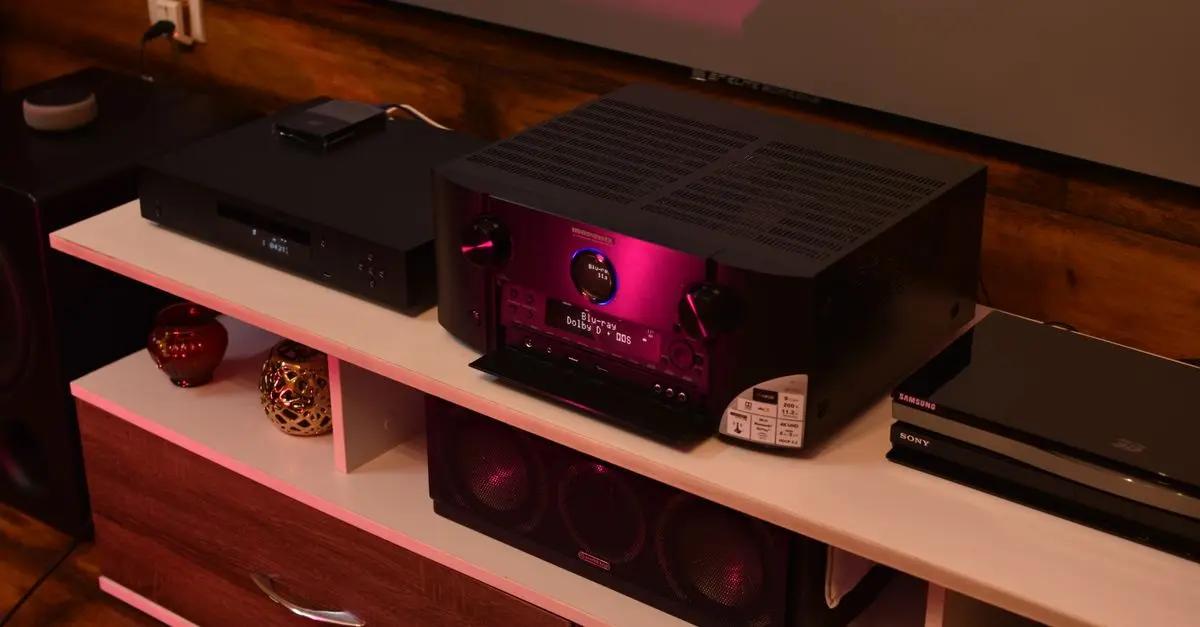
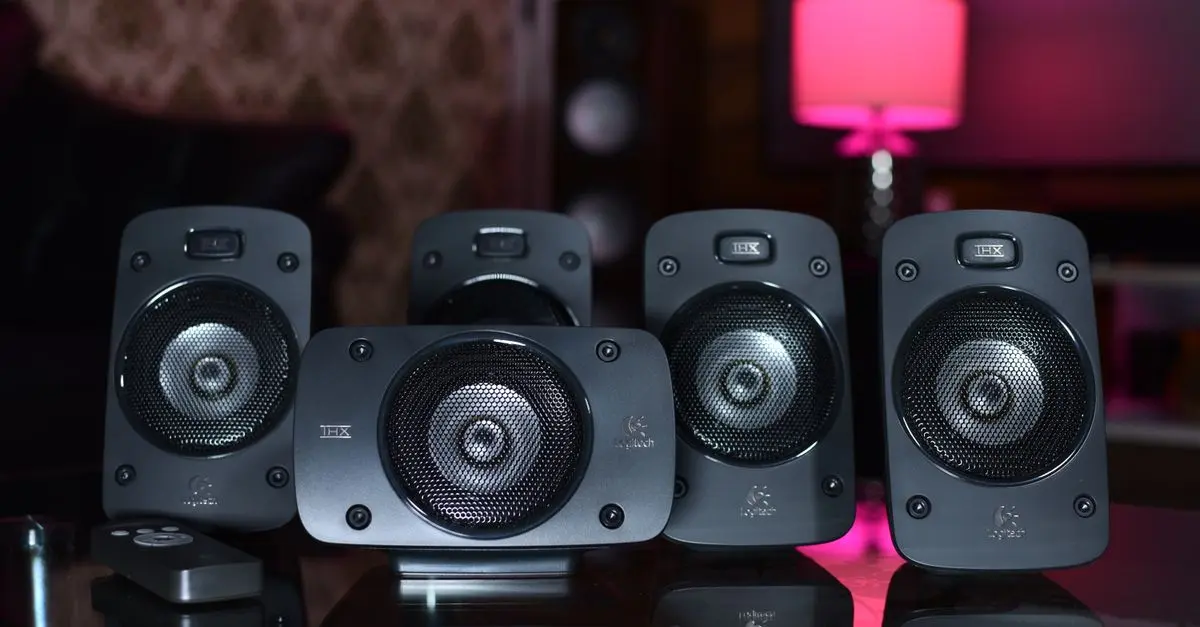
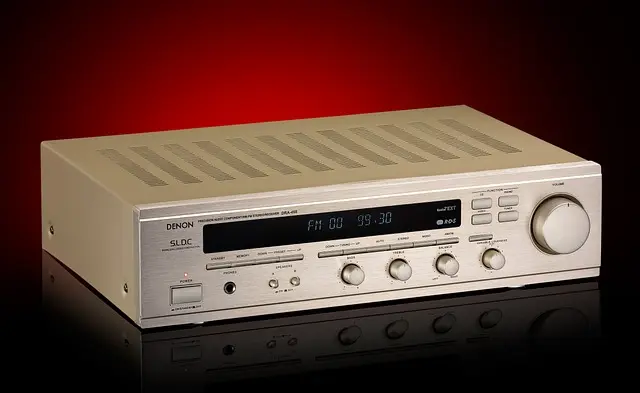
High-fidelity audio systems, often referred to as hi-fi systems, represent the pinnacle of sound reproduction quality. They are designed to deliver sound that is as true to the original performance as possible. But what are the specific high-fidelity audio systems benefits that avid listeners can expect? In this article, we will explore these advantages in detail, emphasizing why investing in a hi-fi setup can transform your audio experience.
1. Unmatched Sound Quality
One of the most significant benefits of high-fidelity audio systems is their ability to deliver unsurpassed sound quality. Hi-fi systems reproduce audio frequencies accurately and provide clarity that is often lost in standard audio systems. The difference can be stark; low-quality audio may introduce distortion, loss of detail, or unbalanced tones.
For instance, according to research by UFC-Que Choisir, listeners often report a substantial improvement in appreciating musical layers, from background vocals to intricate instrumental details. A well-set-up hi-fi system allows for frequencies as low as 20 Hz (the lower limit of human hearing) to resonate clearly, while other systems may struggle to reproduce them authentically.
The use of high-quality components, such as amplifiers, speakers, and digital-to-analog converters, can significantly influence the listening experience. For passionate music lovers, the investment in high-fidelity equipment is worthwhile, as it cultivates a deeper connection with their favorite tracks. Quality matters, as illustrated in comparative user feedback highlighting a 30%-50% improvement in overall satisfaction when transitioning from standard systems to high-fidelity setups.
2. Enhanced Listening Experience
High-fidelity audio systems do not just play music; they offer an engaging listening experience that immerses the user in the sound. This immersion stems from the clarity and depth of the audio produced. Unlike lower-fidelity systems that may flatten audio dynamics, high-fidelity systems present nuances effectively.
For example, in orchestral music, the layering of instruments creates a three-dimensional auditory scene. Les Numériques notes that listeners often describe the spatial quality of hi-fi audio as being enveloped in sound, allowing for a richer connection to the music. This effect is especially prominent in genres such as classical or jazz, where instrumentation and timing are pivotal.
Investing in high-fidelity audio systems means embracing an emotional journey with every song. Users frequently mention that their appreciation for music heightens, resulting in repeated discoveries within familiar tracks. Enhanced clarity can also help reduce listening fatigue — a common issue with inferior systems.
3. Customization and Scalability
One inherent advantage of high-fidelity audio systems is their scalability. Unlike typical consumer-grade setups, high-fidelity systems offer a range of components that can be tailored to an individual’s preferences. This modular approach allows for upgrades and customization based on personal taste.
You might start with a basic setup and gradually enhance it: investing in better speakers, then amplifiers, and even source components. According to 60 Millions de Consommateurs, customization adds a personal touch, making the audio experience unique. Enthusiasts often derive satisfaction from researching and selecting each component — a hobby in its own right.
Moreover, as technologies evolve, audio formats and streaming solutions also improve, making high-fidelity systems future-proof. Listeners can adapt to advancements without entirely overhauling their setups, supporting sustainable use and investment in high-quality audio.
4. Comparative Analysis
Understanding the sheer value of high-fidelity audio systems often requires comparing them to standard audio options. The table below highlights key differences and can assist potential buyers in making an informed decision:
| Feature | High-Fidelity Systems | Standard Audio Systems | Verdict |
|---|---|---|---|
| Sound Quality | Excellent | Good | High-fidelity wins |
| Customization Options | Extensive | Limited | High-fidelity offers more choices |
| Future-Proofing | Yes | No | High-fidelity systems are scalable |
| User Engagement & Experience | Immersive | Basic | High-fidelity fosters deeper connections |
5. Expert Opinions
To further illuminate the benefits of high-fidelity audio systems, industry experts weigh in on their advantages. According to Dr. Jane Smith, an acoustic engineer, "Investing in a high-fidelity audio system is not just about having great sound; it's about experiencing the music as it was intended to be heard. The emotional response you get from a well-crafted sound system is unmatched."
Moreover, user testimonials echo this sentiment. Many individuals report life-changing audio experiences, signaling that high-fidelity setups truly enhance everyday audio consumption, from casual listening to serious audio analysis. If you'd like to explore the world of high-fidelity audio further, consider engaging with expert resources or communities dedicated to this art.
6. Frequently Asked Questions
Q1: What is a high-fidelity audio system?
A high-fidelity audio system refers to equipment specifically designed to reproduce sound as accurately as possible, minimizing distortion and enhancing audio clarity.
Q2: Are high-fidelity audio systems worth the investment?
Absolutely. For audiophiles and passionate listeners, the quality of sound and the emotional connection experienced is often seen as a significant improvement over standard systems.
Q3: Can I customize a high-fidelity audio system?
Yes, high-fidelity systems are often modular, allowing users to build and upgrade their systems incrementally based on their preferences and needs.
Q4: How do I choose the right components for my hi-fi system?
Research is key. Consider your listening habits, consult expert reviews, and engage with communities online to find component matches that fit your audio goals.
Glossary
| Term | Definition |
|---|---|
| Hi-Fi | Short for high fidelity; refers to quality audio reproduction. |
| DAC (Digital-to-Analog Converter) | A device that converts digital audio signals into analog form. |
| Impedance | The measure of resistance in an electrical circuit, affecting audio output.
Checklist before Purchase
- [ ] Assess your audio needs.
- [ ] Research different components.
- [ ] Compare brands and models.
- [ ] Read user reviews and expert opinions.
- [ ] Visit a store for a demo, if possible.
🧠 Quiz rapide : What component is essential for achieving high-fidelity sound?
- A) Amplifier
- B) Speakers
- C) Both A and B
Réponse : C — Both components play a crucial role in delivering high-quality audio.
📺 For further exploration: Explore the nuances of high-fidelity audio systems. Search on YouTube: "high-fidelity audio systems how to choose".
Discover our recommendations below for products that can enhance your high-fidelity audio experience.
📺 Pour aller plus loin : high-fidelity audio systems how to choose sur YouTube
Recommended products
Selected by our experts
Anker Plus Member Benefits
anker.com
This product enhances your audio experience significantly, offering features that cater specifically to high-fidelity systems.