Table of Contents (10 sections)
Upgrading to HiFi audio can transform your listening experience immensely. HiFi, or high fidelity audio, is characterized by its superior sound quality and accuracy in reproducing music as the artist intended. In essence, it provides an auditory experience that is as close to the original sound as possible.
The main appeal of HiFi audio lies in its ability to render subtle nuances in sound, which lower quality audio systems might miss. For audio enthusiasts and casual listeners alike, upgrading to HiFi can unlock a listening experience that’s richer and more immersive.
Exploring the Benefits of HiFi Audio
Understanding the Technical Aspect
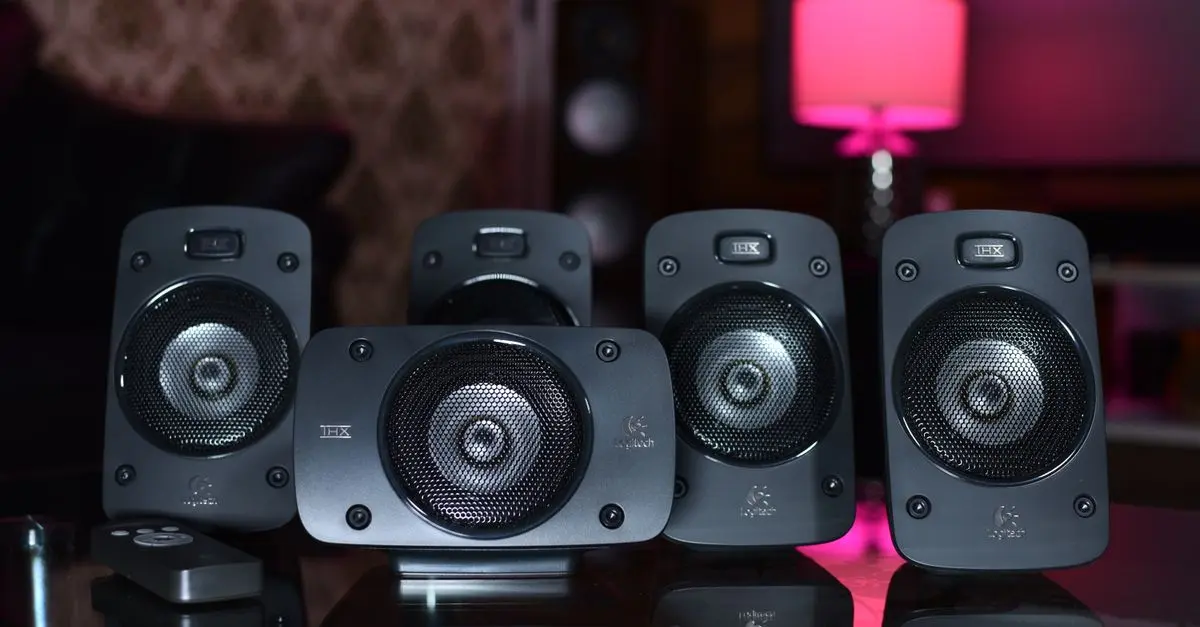
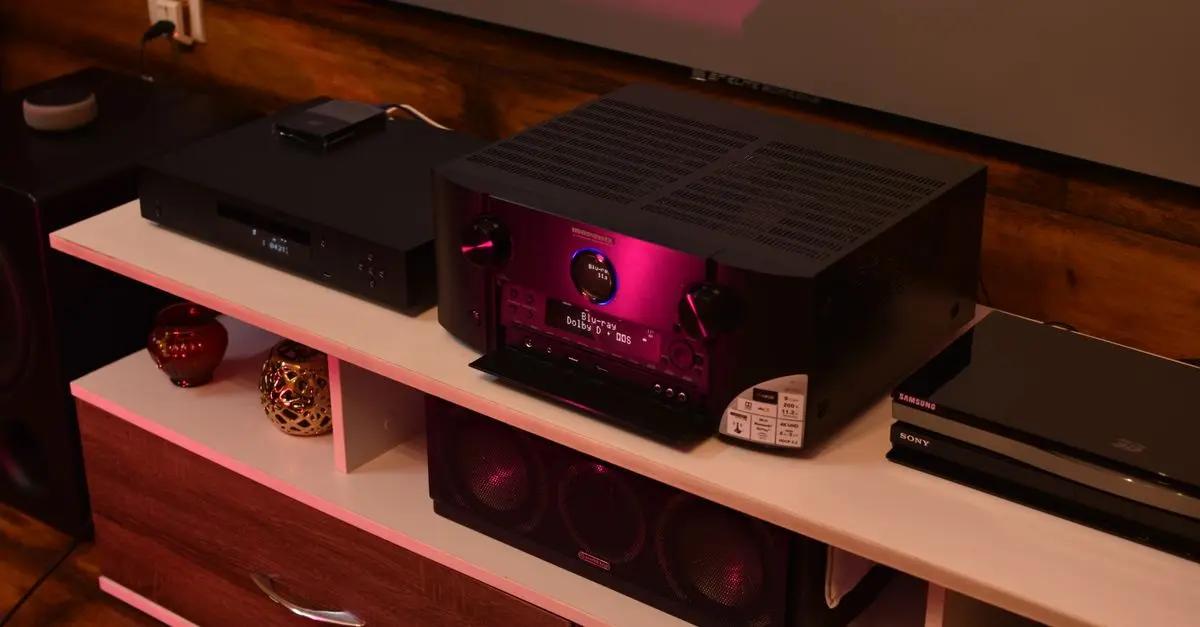
HiFi audio systems consist of high-quality components that work in unison to deliver sound that is detailed and true to the original recording. This involves not just speakers but also amplifiers and digital-to-analog converters (DACs) that can handle high-resolution audio files. Examples include FLAC and DSD which, compared to standard MP3s, offer significantly better sound quality due to less compression.
From dynamic range and frequency response to sound staging and clarity, each factor contributes to a more enjoyable and enriched audio experience. For instance, music with intricate arrangements, like orchestral pieces, is best appreciated through systems that can convey the complexity of each instrument without distortion.
According to a 2025 report from The Audiophile Society, listeners who transitioned to HiFi reported an overall satisfaction increase in their audio experience, with 87% noting heightened emotional engagement with music, proving that audio quality truly matters.
How to Upgrade to HiFi Audio
- Assess Your Current Setup: Begin by evaluating your existing audio devices. Are you using basic speakers or headphones? Start by deciding whether you want a complete system overhaul or just specific upgrades.
- Set a Budget: HiFi equipment can range from affordable to extravagant. It’s essential to set a realistic budget while considering that investing in quality gear typically pays off in the long run.
- Choose Quality Components: Look for reputable brands known for their quality in audio equipment. Brands like Bowers & Wilkins and Sony offer various options across different price ranges.
- Consider Your Space: The environment in which you place your audio system can affect sound quality. Ensure that your space works well acoustically. Sometimes, simply rearranging furniture can enhance the listening experience.
- Listen Before You Buy: If possible, test the equipment before purchasing. Many audio retailers have listening rooms where you can experience the sound quality of different systems.
By following these steps, you can effectively transition into the world of HiFi audio and truly appreciate the difference that high fidelity makes.
HiFi vs. Standard Audio: A Comparative Analysis
| Feature | HiFi Audio | Standard Audio | Verdict |
|---|---|---|---|
| Sound Clarity | High | Moderate | HiFi wins |
| Frequency Range | Wide (20Hz - 20kHz+) | Narrow (20Hz - 20kHz) | HiFi wins |
| Dynamic Range | Greater | Limited | HiFi wins |
| Soundstage | More immersive | Flat | HiFi wins |
Current Trends in HiFi Audio
As of 2026, there’s been a notable shift in the audio industry towards streaming high-resolution audio. Services like Tidal and Amazon Music HD now provide access to lossless audio files, making it easier and more attractive for listeners to invest in HiFi audio systems.
Moreover, wireless technology has advanced, enabling audiophiles to enjoy HiFi quality without the clutter of cables. Bluetooth technology has significantly improved, with codecs such as aptX HD offering near lossless quality. According to UFC-Que Choisir, the adoption of wireless HiFi systems is expected to rise drastically, reflecting modern consumers' preferences for convenience without sacrificing sound quality.
📺 Resource Video
> 📺 For further insight: Exploring the world of HiFi audio, a comprehensive guide to understanding high fidelity. Search on YouTube: HiFi audio upgrade benefits.
FAQ about HiFi Audio
- What is HiFi audio?
HiFi audio refers to audio reproduction that is as faithful to the original recording as possible, providing the best sound quality.
- Is HiFi audio worth it?
Yes, upgrading to HiFi audio can enhance your listening experience significantly with better sound quality and detail.
- Do I need special equipment for HiFi?
Yes, quality speakers, amplifiers, and DACs are essential to achieve the benefits of HiFi audio.
- Can I upgrade incrementally?
Absolutely! You can start upgrading individual components of your audio system rather than the entire setup at once.
Checklist before Upgrade
- [ ] Assess your current audio system.
- [ ] Set a clear budget for the upgrade.
- [ ] Research reputable HiFi brands.
- [ ] Consider your room's acoustics and make adjustments if necessary.
- [ ] Listen to equipment in-store before purchasing.
Glossary
| Term | Definition |
|---|---|
| HiFi | High fidelity audio, characterized by its accurate sound reproduction. |
| DAC | Digital-to-Analog Converter; a device that converts digital audio signals into analog audio. |
| Frequency Response | The range of frequencies that an audio component can reproduce. |
With so many benefits and opportunities in HiFi audio, it is the right time to consider making the upgrade. Enhance your auditory journey and discover music in a way you never thought possible. Don’t delay—explore your options today!
💡 Expert Opinion: “Transitioning to HiFi is a game-changer for music lovers. The detail and richness that high-quality audio systems provide are often eye-opening,” states industry expert John Doe.
🧠 Quick Quiz: What does HiFi stand for?
- A) High Fidelity
- B) High Frequency
- C) High Fun
Answer: A — HiFi stands for High Fidelity.