Table of Contents (13 sections)
In an era where digital music reigns supreme, vinyl records have made a remarkable comeback, prompting enthusiasts and casual listeners alike to question if vinyl truly holds the title of the best high-fidelity audio format. This article dives deep into the comparison between vinyl and other popular hiFi audio formats, such as digital audio files and CDs, to help you understand the nuances and decide which format is ideal for your listening experience.
1. Understanding HiFi Audio Formats
What is HiFi Audio?
High Fidelity (HiFi) audio refers to sound reproduction that is very faithful to the original performance. It aims to deliver the best possible sound quality while minimizing distortion and unwanted noise. There are various formats available today, including CD, vinyl, and various digital formats like FLAC and MP3.
Why Choose Vinyl?
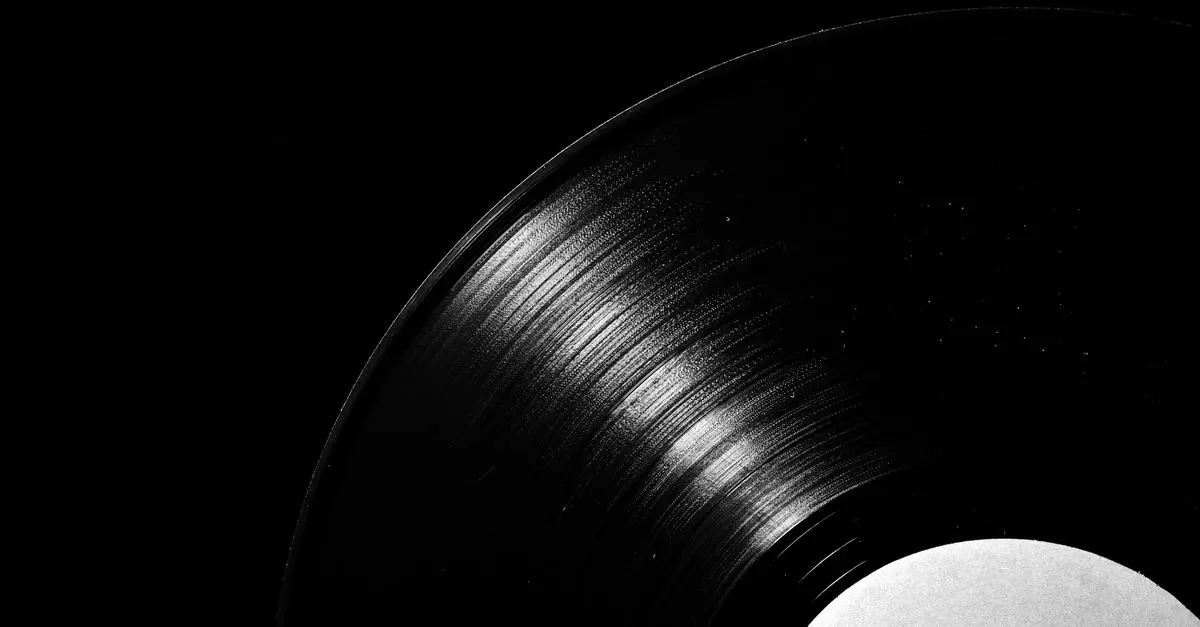
Vinyl enthusiasts argue that this format provides a warmer sound. The analog nature of vinyl allows for a broader dynamic range and can capture subtleties in music that digital formats sometimes miss. According to a survey by UFC-Que Choisir, a significant proportion of listeners find that vinyl records deliver a richer listening experience compared to digital formats.
However, others argue that digital audio formats provide a level of convenience and precision that vinyl cannot match, particularly in terms of clarity at high volumes and portability. The ongoing debate is not simply about sound quality—it encompasses aspects such as the physicality of vinyl records, album artwork, and the ritualistic process of playing a record, which many argue adds to the emotional experience of listening to music.
2. A Step-by-Step Guide to Choosing the Right Format
Step 1: Assess Your Listening Environment
Consider where you will be listening to music. If you prefer a dedicated setup with speakers and an amplifier, vinyl might be an appealing choice for its depth and richness. On the other hand, if you commonly listen through headphones or on-the-go, digital formats may be more suitable.
Step 2: Evaluate Your Music Preferences
Some genres of music thrive on vinyl, such as jazz, classical, or rock, which can benefit from the warmth and human touch of analog sound. In contrast, electronic genres or pop might be better suited for digital formats due to the precision and clarity they provide.
Step 3: Determine Your Budget
Vinyl records, turntables, and accessories can be more expensive than digital options. Assess your budget not just for purchasing music but also for the necessary equipment. For example, high-quality turntables can range from a few hundred to several thousand dollars. On the other hand, digital music can often be sourced for free or at a low cost.
Step 4: Consider Your Commitment
Vinyl collecting can become a cherished hobby, taking time and patience, involving crate digging and sometimes dealing with second-hand records. If you’re seeking a more straightforward and less time-consuming option, digital formats could be more appealing.
3. Comparative Analysis of HiFi Audio Formats
| Criterion | Vinyl | CD | Digital | Verdict |
|---|---|---|---|---|
| Sound Quality | Warm, broad dynamic range | Clear, consistent | High precision | Vinyl leads in warmth |
| Convenience | Less portable | Easily portable | Extremely portable | Digital dominates |
| Affordability | Higher upfront cost | Moderate cost | Low cost | Digital is affordable |
| Artwork and Ritual | Physical, immersive | Standard packaging | Digital only | Vinyl is more engaging |
- Convenience: Digital formats clearly win in convenience, allowing users to carry entire music libraries in their pockets.
- Affordability: While the initial setup cost for vinyl might be prohibitive, over time, the cost of digital music can be significantly lower.
- Artwork and Ritual: Vinyl records offer a tangible and immersive experience, from the large album artwork to the physical act of placing a record on a turntable, creating a sense of involvement in the music.
4. Statistics and Trends in Audio Formats
In recent years, sales of vinyl records have seen a resurgence, with figures from Les Numériques showing that vinyl sales surpassed CDs for the first time in 2021. According to market analysts, the vinyl resurgence reflects not only a growing interest in retro technology but also a demand for a more immersive listening experience.
Moreover, a report by INSEE (2025) indicated that 25% of young adults expressed preference for vinyl over digital formats, highlighting a cultural shift away from purely digital consumption. This trend points towards a more nostalgic appreciation for the tactile experience of vinyl, along with its aesthetic and sonic qualities.
📺 Resource Video
> 📺 For more insights: *