Table of Contents (17 sections)
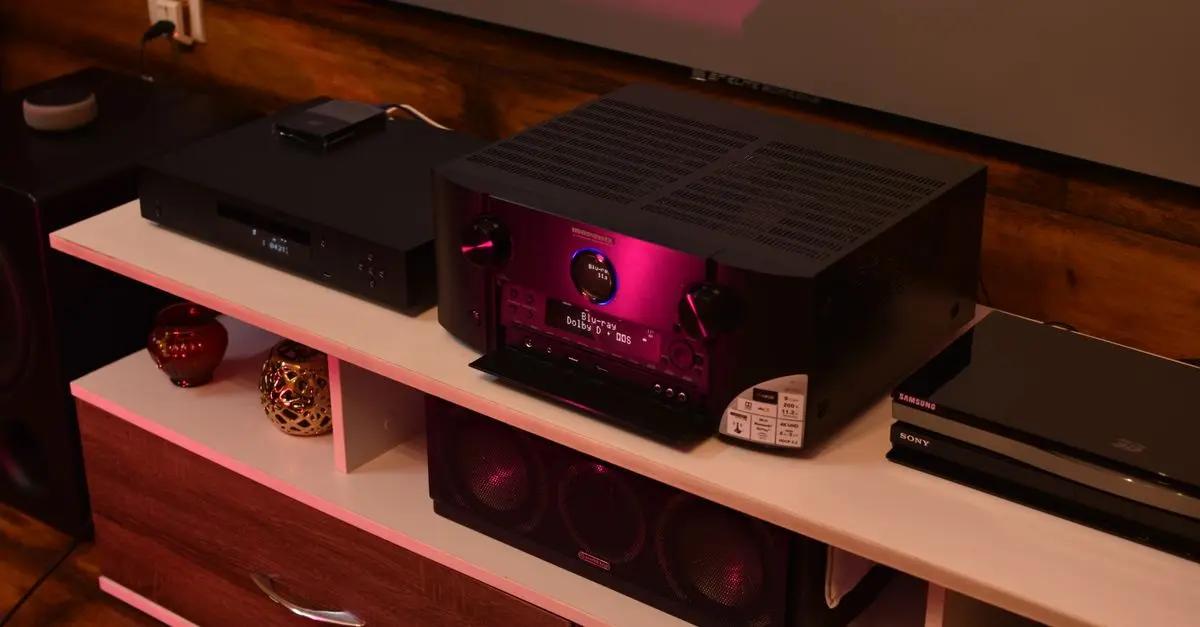
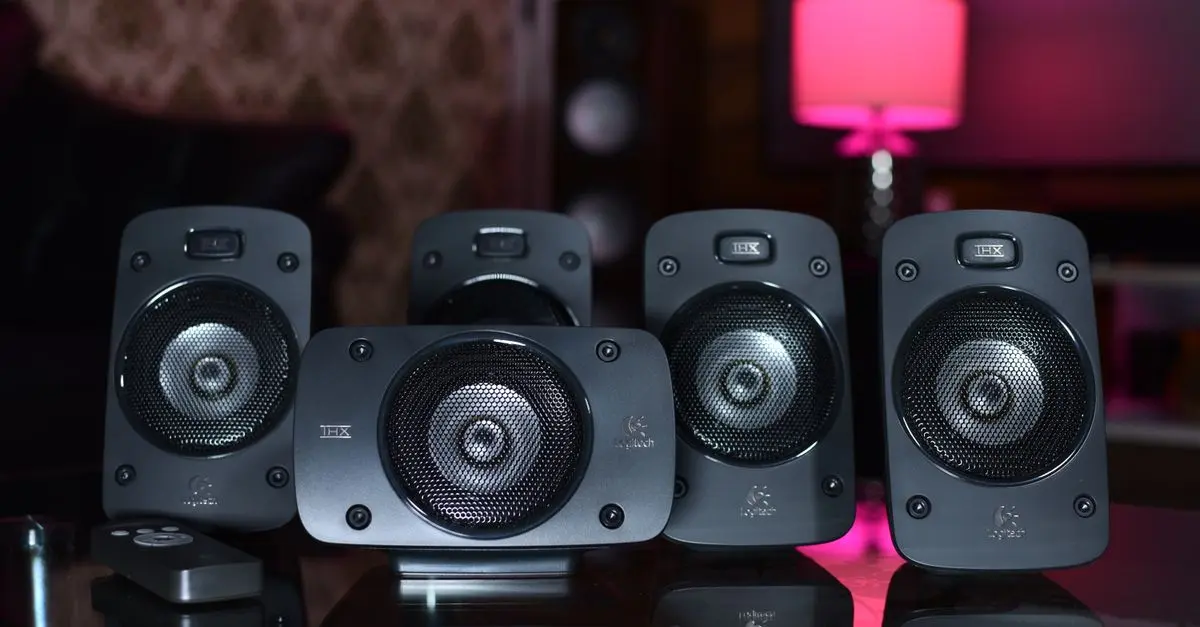
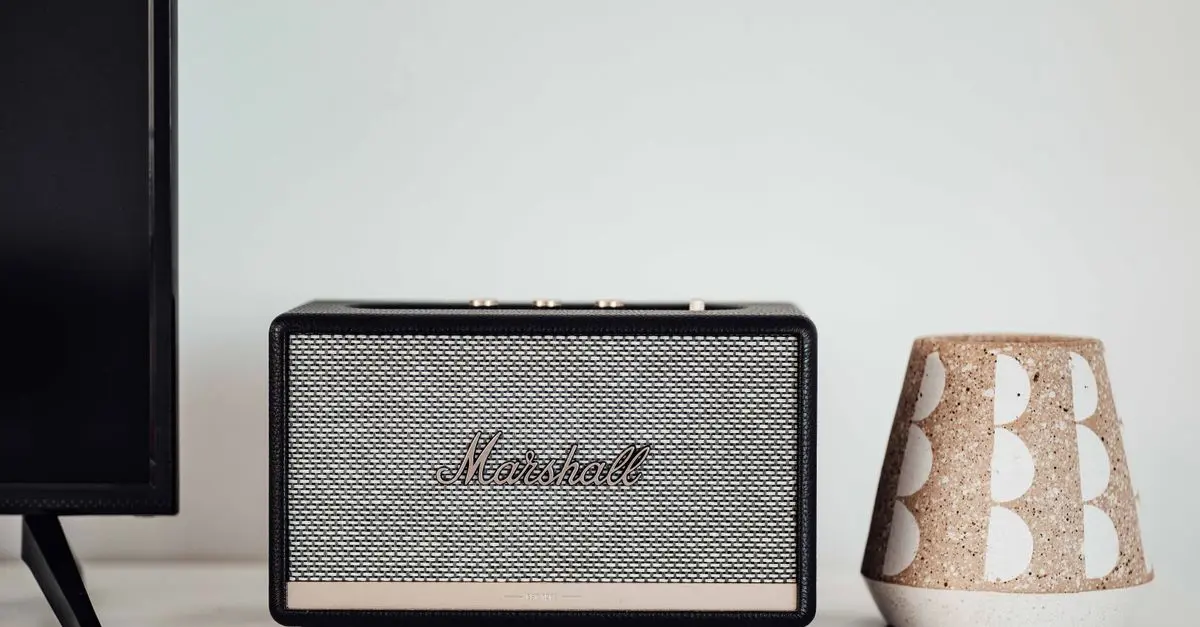
High-fidelity sound systems have become increasingly popular among audiophiles and casual listeners alike. Whether you're a seasoned music lover or an occasional listener, knowing what to consider when buying HiFi equipment can significantly enhance your audio experience. This guide dives into various aspects of HiFi equipment, offering tips and considerations to ensure you make an informed purchase.
Understanding HiFi Equipment
What is HiFi?
HiFi, short for high fidelity, refers to audio reproduction that is very faithful to the original performance. In simpler terms, it means that the sound output from the system should be as close as possible to how it was recorded, capturing subtleties and nuances that standard audio might miss. The goal of HiFi equipment is to recreate music with clarity, depth, and richness, which is crucial for audiophiles and anyone who appreciates high-quality sound.
Importance of High-Quality Audio
Quality audio is not just about being able to hear sound; it's an experience. According to a survey by UFC-Que Choisir, 65% of respondents reported that they prefer listening to music in high quality, as it enhances their emotional connection to the music. High-quality audio can make a track feel alive, adding subtle vibrance to instruments and vocals, allowing for a more immersive listening experience.
Why You Should Invest in HiFi Equipment
Investing in HiFi equipment can drastically improve your overall auditory experience. It’s not just about volume; it’s about clarity and detail. Someone using well-calibrated HiFi equipment can hear the difference in the recording quality of a live concert versus a studio recording—the crowd's ambiance, the subtle guitar strums, and even the singer’s emotions can be distinctly felt. This investment is worthwhile for anyone serious about enjoying music, films, or gaming closely.
Key Considerations for Buying HiFi Equipment
When buying HiFi equipment, keep the following tips in mind:
- Purpose: Determine how you plan to use your HiFi system. Will it be for casual listening, serious audiophile sessions, or a home theater setup?
- Room Size: The size of the room considerably affects sound quality. Larger rooms may require more powerful speakers or additional sound characteristics to fill the space effectively.
- Source Components: Consider what will be the source of your audio. High-resolution files from sources like Tidal offer better quality than standard MP3s. Streaming devices, vinyl players, and even radios all play a role in the overall sound quality.
- Equipment Compatibility: Ensure the components you choose work well together. For instance, not all speakers are compatible with every amplifier. Research how different components match for optimum performance.
- Budget: Define a clear budget range for your purchase. HiFi systems can range from a few hundred to several thousands of dollars. Setting a budget helps streamline your options and ensures that you’re making a sound investment tailored to your needs.
Procedural Steps: How to Select HiFi Equipment
Step 1: Research
Start with extensive research on different types of HiFi equipment available in the market. Read reviews from credible sources like Les Numériques and 60 Millions de Consommateurs. Pay attention to user feedback and expert opinions on specific models.
Step 2: Assess Your Needs
Evaluate what you want from your audio experience. Are you more concerned about portability, wireless connectivity, or ultimate sound quality? These questions should guide your choices as you start narrowing down options.
Step 3: Listen Before You Buy
If possible, always listen to equipment before making a purchase. Many stores offer demo versions of their equipment. Bring your favorite tracks and compare systems directly. It's vital to listen in an environment similar to where you’ll use the system.
Step 4: Consult with Experts
Don’t hesitate to ask for expert advice in stores or online forums. Audio specialists can provide you with insights regarding compatibility and sound quality.
Step 5: Make Your Purchase
Once you've done your homework, found compatible equipment, and tested sound quality, it's time to make your purchase.
💡 Expert Opinion: Investing in a good source is just as important as speakers. As a sound engineer once told me, "Garbage in, garbage out. Get the best controls, and the speakers will elevate the audio experience exponentially."
HiFi Equipment Comparison Table
Here’s a quick comparison table of key features to look for in different HiFi equipment options.
| Feature | Budget-Friendly Models | Mid-Range Options | High-End Choices |
|---|---|---|---|
| Sound Quality | Decent, some distortion | Clear, rich bass | Excellent, studio fidelity |
| Price Range | $200 - $500 | $500 - $1500 | $1500 and above |
| Connectivity | Basics (Bluetooth, Aux) | Advanced (Wi-Fi, Bluetooth) | Full integration (smart tech) |
| User Reviews | Moderate satisfaction | High satisfaction | Exceptional satisfaction |
buying HiFi audio equipment tips 2026.
Frequently Asked Questions (FAQ)
- What is the best HiFi equipment for beginners?
Consider starting with a basic stereo setup that includes a good amplifier and bookshelf speakers. Brands like Yamaha and Onkyo offer quality entry-level options.
- Is it worth spending more on HiFi equipment?
Absolutely. Higher-priced equipment usually offers significantly better sound, longevity, and build quality.
- Can I use wireless speakers with my HiFi system?
Yes, many modern HiFi systems are designed to work seamlessly with wireless speakers. Ensure compatibility with your device.
- What types of audio files should I use for HiFi listening?
High-resolution audio files such as FLAC or DSD formats are recommended for audiophiles seeking the best sound experience.
Glossary
| Term | Definition |
|---|---|
| HiFi | High Fidelity — audio reproduction intentionally designed to be faithful to the original recording. |
| Resolution | The amount of detail in an audio sample, higher resolution usually results in better sound quality. |
| Decibel (dB) | A unit measuring sound intensity; levels typically range from 0 dB (quiet) to over 120 dB (loud). |
Checklist Before Purchase
- [ ] Determine what you will use the equipment for.
- [ ] Assess room size and acoustics.
- [ ] Listen to demo units in-store.
- [ ] Research compatible product components.
- [ ] Set a clear budget.
In conclusion, buying HiFi equipment requires careful thought and assessment of your unique preferences and requirements. Quality audio can enrich your life, and by following these tips, you will be well on your way to making an informed purchase that delivers outstanding sound performance for years to come.
Don't hesitate—get started on your HiFi journey today!